
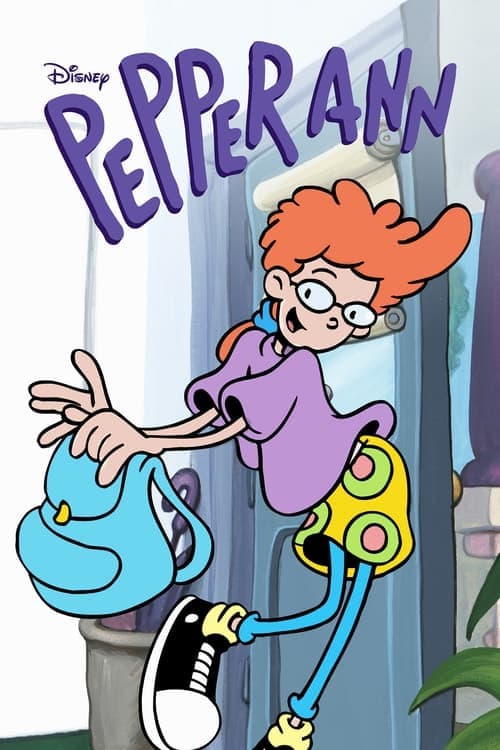
Pepper Ann
Does this age rating seem accurate to you?
Detailed parental analysis
Pepper Ann is a light-hearted animated television series driven by intelligent humour and a warm tone. It follows the adventures of an eleven-year-old schoolgirl, whimsical and exuberant, as she navigates friendships, social awkwardness and the grandiose daydreams of everyday school life. The series is aimed primarily at children from seven or eight years old and pre-adolescents, with a layer of second-degree humour that also appeals to adults.
Underlying Values
The narrative consistently upholds individual authenticity against the pressure of social conformity, a message that is well-articulated and structurally central. Pepper Ann is celebrated for her singularity rather than in spite of it, and her flights of imagination are presented as a narrative and emotional strength. The friendship between the three main characters rests on unconditional loyalty, including in embarrassing situations. These values are coherent and non-contradictory throughout the series, which gives them real weight rather than the appearance of imposed morality.
Social Themes
School bullying is treated as a serious subject in several episodes, without being trivialised or resolved lightly. The series addresses physical embarrassment linked to puberty, notably acne and physical maturation, with a tone that normalises these experiences without dramatising them. These episodes provide a concrete foundation for engaging discussions with a pre-adolescent about what they are going through or will soon anticipate.
Sex and Nudity
Suggestive content is limited to a few adult jokes that slip into the humorous register, notably a closet scene with allusions to adult taboos. These elements are phrased in such a way as to go largely over the heads of young children, but can be perceived and understood by pre-adolescents. There is no nudity or sexualisation of the characters.
Parental and Family Portrayals
Family dynamics are present without being dysfunctional. Pepper Ann's mother is portrayed as an active, imperfect and endearing character, with whom intergenerational conflicts are handled with humour and kindness. The younger sister with an androgynous temperament and deep voice is naturally integrated into the family without this trait ever being the subject of mockery or narrative concern.
Strengths
The series stands out for writing that is genuinely attentive to the psychology of pre-adolescence, without condescension or over-simplification. Pepper Ann's internal monologues and daydream sequences are inventive and well-paced, lending a narrative texture that goes beyond simple entertainment cartoon fare. The humour works simultaneously on two levels, which is technically difficult to achieve and allows parents to watch the series with their children without becoming bored. Secondary characters are sufficiently developed to avoid caricature, particularly the two friends and the immediate family.
Age recommendation and discussion points
The series is suitable from seven or eight years old and can be watched without major reservations with pre-adolescents up to twelve years old. After viewing, two discussion angles are worth pursuing: why Pepper Ann often prefers to appear odd in the eyes of others rather than conform, and what that says about the social pressure the child feels themselves at school or within their peer group.
Synopsis
The quirky adventures of Pepper Ann, a 12-year-old girl trying to get through life with her family and friends.
Where to watch
Availability checked on Apr 27, 2026
About this title
- Format
- TV series
- Year
- 1997
- Countries
- South Korea, United States of America
- Original language
- EN
- Directed by
- Sue Rose
- Main cast
- Kathleen Wilhoite, Danny Cooksey, Clea Lewis, April Winchell
- Studios
- Disney Television Animation, Sunwoo Entertainment, Hana Animation
Content barometer
- Violence0/5None
- Fear0/5None
- Sexuality1/5Allusions
- Language0/5None
- Narrative complexity1/5Accessible
- Adult themes0/5None
Watch-outs
- Bullying
- Mockery
Values conveyed
- Friendship
- Acceptance of difference
- Loyalty
- Autonomy
- individuality
- self confidence