Penguins: Life on the Edge
Does this age rating seem accurate to you?
Detailed parental analysis
A nature documentary with an atmosphere that is both contemplative and tense, this film immerses the viewer in the heart of Antarctica to follow the daily lives of penguins in one of the planet's most hostile environments. The narrative follows several penguin colonies facing predators, extreme storms and the challenges of survival, whilst accompanying the film crew through their own perils on the ice. The film is primarily aimed at children from 6 or 7 years old and their families, with accessible narration and an overall benevolent tone.
Violence
The film includes sequences of real predation, notably a hunt in which orcas attack penguins. These scenes are filmed without gratuitous gore but with documentary honesty: death is part of the natural cycle and is not softened. For sensitive or very young children, these moments can be disturbing, not because of their graphic violence, but because of their realism and their inevitable nature. The narrative purpose is clearly educational: to show the fragility of life in an extreme ecosystem, which gives these sequences a meaning that transcends mere spectacle.
Social Themes
The film touches on the ecological question without truly exploring it in depth. The images of Antarctica are striking and give a sense of the grandeur and vulnerability of this environment, but the documentary does not explicitly address climate change or its effects on penguin populations. This is a notable gap for a contemporary nature film: parents who wish to discuss these issues with their children will need to do so themselves, as the film offers them no direct foundation on this subject.
Underlying Values
The narrative strongly values perseverance, effort and resilience in the face of adversity, both in the penguins and in the human film crew whose difficulties are shown on screen. This dual focus, animal and human, reinforces a message of admiration for those who expose themselves to extreme conditions. The value of collective work is evident in the behaviour of the colonies, without being made explicit in a didactic manner. The film does not question these values; it illustrates them consistently.
Strengths
The images of Antarctica are of remarkable visual quality, offering shots of glacial landscapes and animal behaviour that are difficult to obtain and rarely seen with such clarity. The film succeeds in making the penguins endearing without anthropomorphising them excessively, which preserves documentary integrity whilst maintaining the emotional engagement of the young viewer. The narration, sober and well-paced, avoids the condescending tone that sometimes affects wildlife documentaries aimed at children. The running time of 78 minutes is well calibrated to maintain attention without exhausting it.
Age recommendation and discussion points
The film is suitable from 6 or 7 years old for most children, with particular attention for those more sensitive to predation scenes, which may require parental support. Two angles of discussion are worth opening after viewing: why do these animals continue to live in such a dangerous place, and what does this teach us about the notion of survival and adaptation? It is also an opportunity to address what the film does not show, namely the human threats that weigh on this ecosystem.
Synopsis
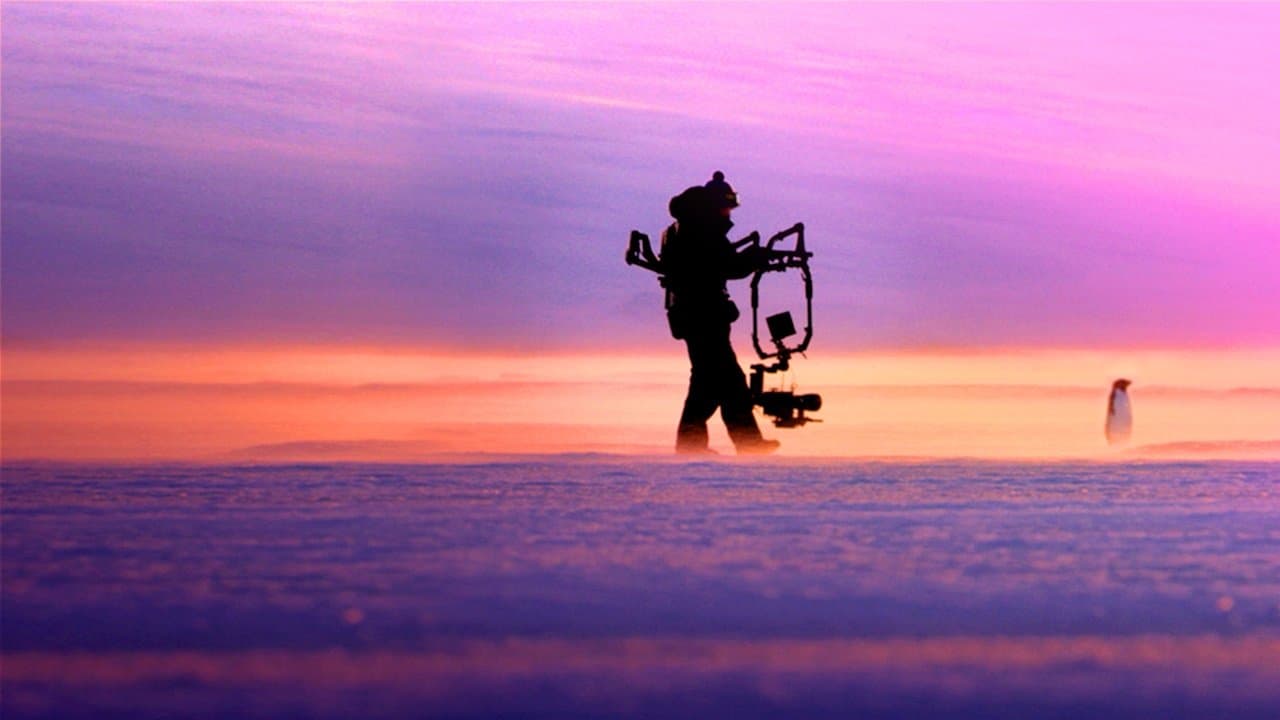
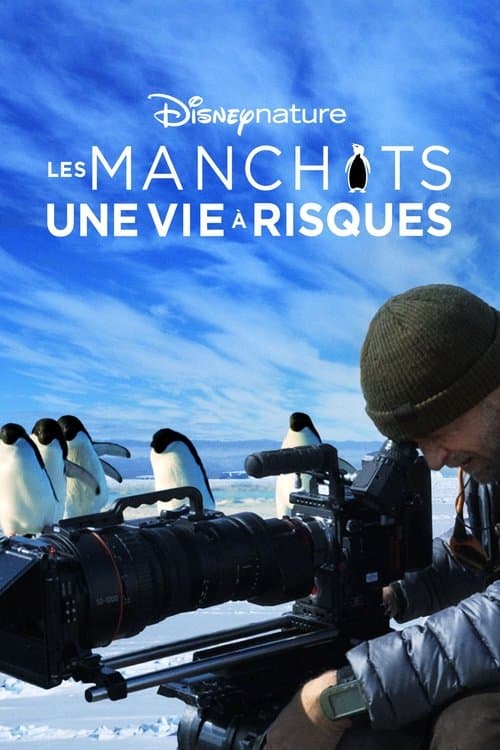
A witty and tenacious team of filmmakers brave the Antarctic to film Disneynature's "Penguins."
About this title
- Format
- Feature film
- Year
- 2020
- Runtime
- 1h 18m
- Countries
- United States of America
- Original language
- EN
- Studios
- Disneynature, Silverback Films
Content barometer
- Violence2/5Moderate
- Fear2/5A few scenes
- Sexuality0/5None
- Language0/5None
- Narrative complexity1/5Accessible
- Adult themes0/5None
Watch-outs
Values conveyed
- Courage
- Perseverance
- Autonomy
- curiosity
- teamwork
- nature