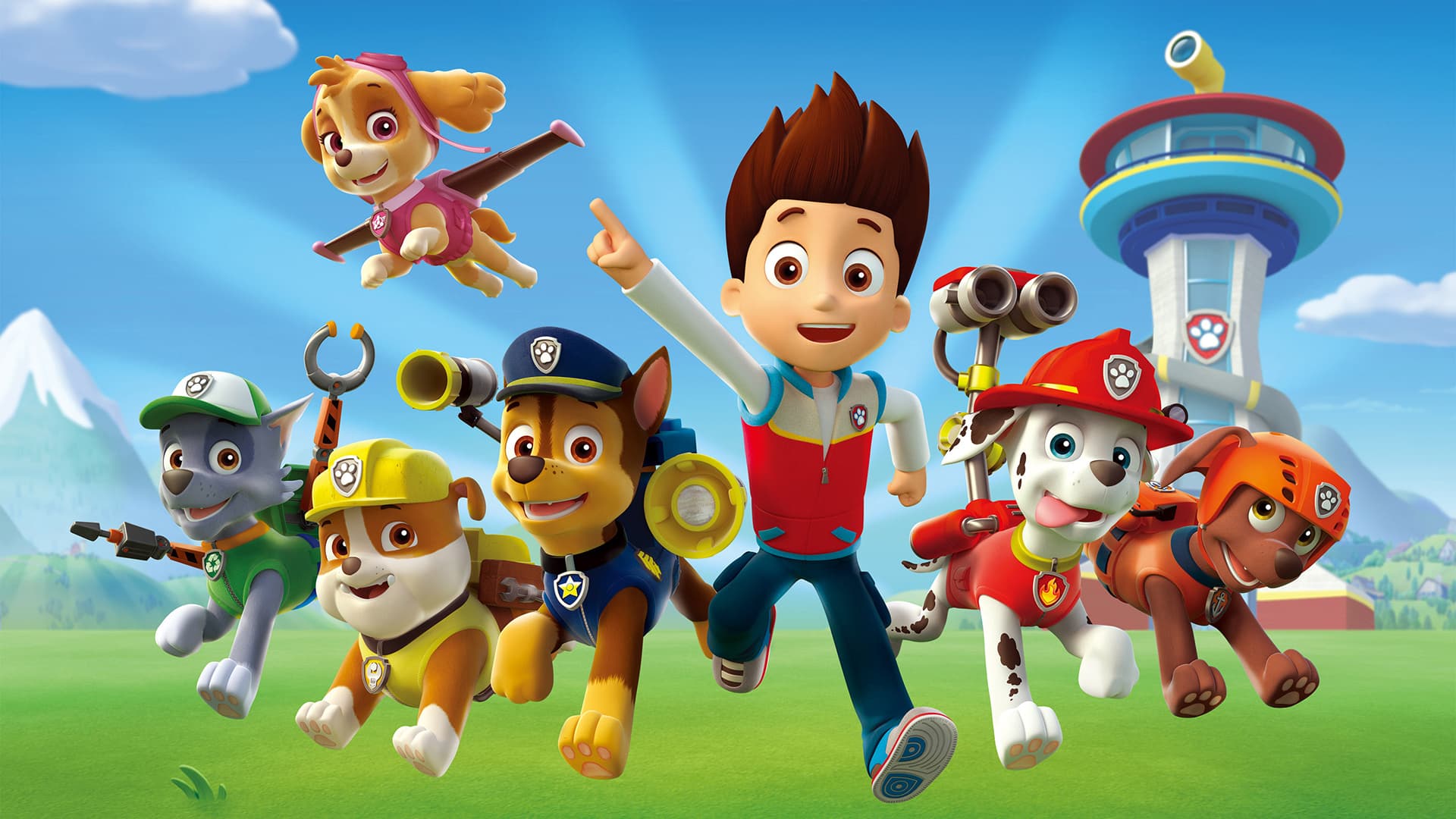

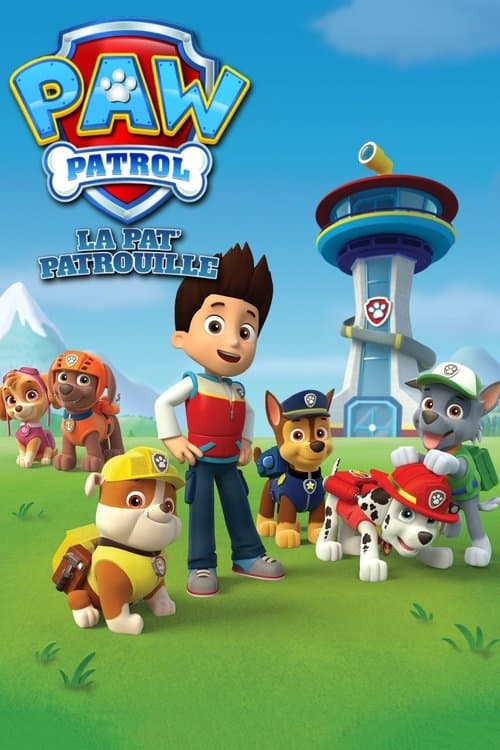
PAW Patrol
Does this age rating seem accurate to you?
Detailed parental analysis
Paw Patrol is a light, colourful and resolutely cheerful animated series designed for very young children. Each episode features a team of dogs with specialised skills who solve problems and come to the aid of the residents of Adventure Bay under the direction of a young boy named Ryder. The target audience is clearly preschool-age children and those in the early years of primary school.
Underlying Values
The series builds its narrative entirely around cooperation, solidarity and creative problem-solving. Each character brings a distinct skill, and it is the collective effort that enables obstacles to be overcome, never brute force or confrontation. This message is repeated explicitly in each episode, making it a natural conversation tool with a child: why is it important to ask for help, and how can each person contribute in their own way? The downside of this repetition is that the series lacks narrative depth for slightly older children, who will find the patterns too predictable.
Discrimination
The composition of the main team deserves attention. The series initially presents only one female character out of six, Stella, systematically dressed in pink, which reproduces without questioning it a gendered division of colours and roles. Female characters added later, such as Skye and Everest, occupy more secondary functions and sometimes find themselves in situations where they are being rescued rather than doing the rescuing. Moreover, several characters of colour are associated with stereotypical attributes: a noticeable foreign accent, an easily excitable temperament, an exotic setting. These elements are not treated critically in the series, making it a useful point of conversation to initiate with the child: do all the characters have an equal chance of being heroes?
Violence
Perilous situations are frequent and form the driving force of each episode: animals trapped, structures collapsing, vehicles stuck, extreme weather conditions. These scenes can generate mild tension in more sensitive or very young children. On the other hand, there is no physical violence between characters, no fighting, no injuries and no serious consequences shown. The peril is always resolved, the situations always under control, which maintains the series' reassuring tone.
Strengths
The series fulfils its function effectively for its target audience: it introduces concrete notions of cooperation, complementary roles and simple problem-solving in a form that is accessible and non-anxiety-inducing for children aged 3 to 6. The pacing is calibrated for the attention span of very young viewers, and the recurrence of characters and rituals creates a reassuring framework. From an educational perspective, each dog represents a different job or skill, which can stimulate children's curiosity about roles such as firefighter, pilot or diver. The series has no artistic or narrative ambitions beyond this functional remit.
Age recommendation and discussion points
The series is suitable from 3 to 4 years old and presents no obstacle to peaceful viewing at this age. To extend viewing time, two angles of discussion are worthwhile: ask the child which dog they prefer and why, to prompt reflection on the different ways of being helpful to others; and, as the child grows, point out together why certain characters are always in pink or always being rescued, and whether this seems normal to them.
Synopsis
Marshall, Rocky, Rubble, Zuma and Skye are doing their best to protect the people of their town. Led by Ryder, a tech-savvy 10-year-old boy, each of them is equipped with special equipment and together they help anyone who finds themselves in trouble. No task is too big for them and no puppy is too small.
About this title
- Format
- TV series
- Year
- 2013
- Countries
- Canada, United States of America
- Original language
- EN
- Directed by
- Keith Chapman
- Studios
- Spin Master, TVOKids, Nickelodeon Productions
Content barometer
- Violence1/5Mild
- Fear1/5Mild
- Sexuality0/5None
- Language0/5None
- Narrative complexity1/5Accessible
- Adult themes0/5None
Watch-outs
- Gender stereotypes
- Ethnic or racial stereotypes
Values conveyed
- Courage
- Friendship
- Autonomy
- teamwork
- helping others
- responsibility
- community solidarity