
The Breadwinner
The Breadwinner
Your feedback improves this guide
Your feedback highlights guides that need a second look and keeps the rating trustworthy.
Does this age rating seem accurate to you?
Sign in to vote
Watch-outs
What this film brings
Content barometer
Violence
3/5
Notable
Fear
3/5
Notable tension
Sexuality
0/5
None
Language
1/5
Mild
Narrative complexity
3/5
Complex
Adult themes
0/5
None
Expert review
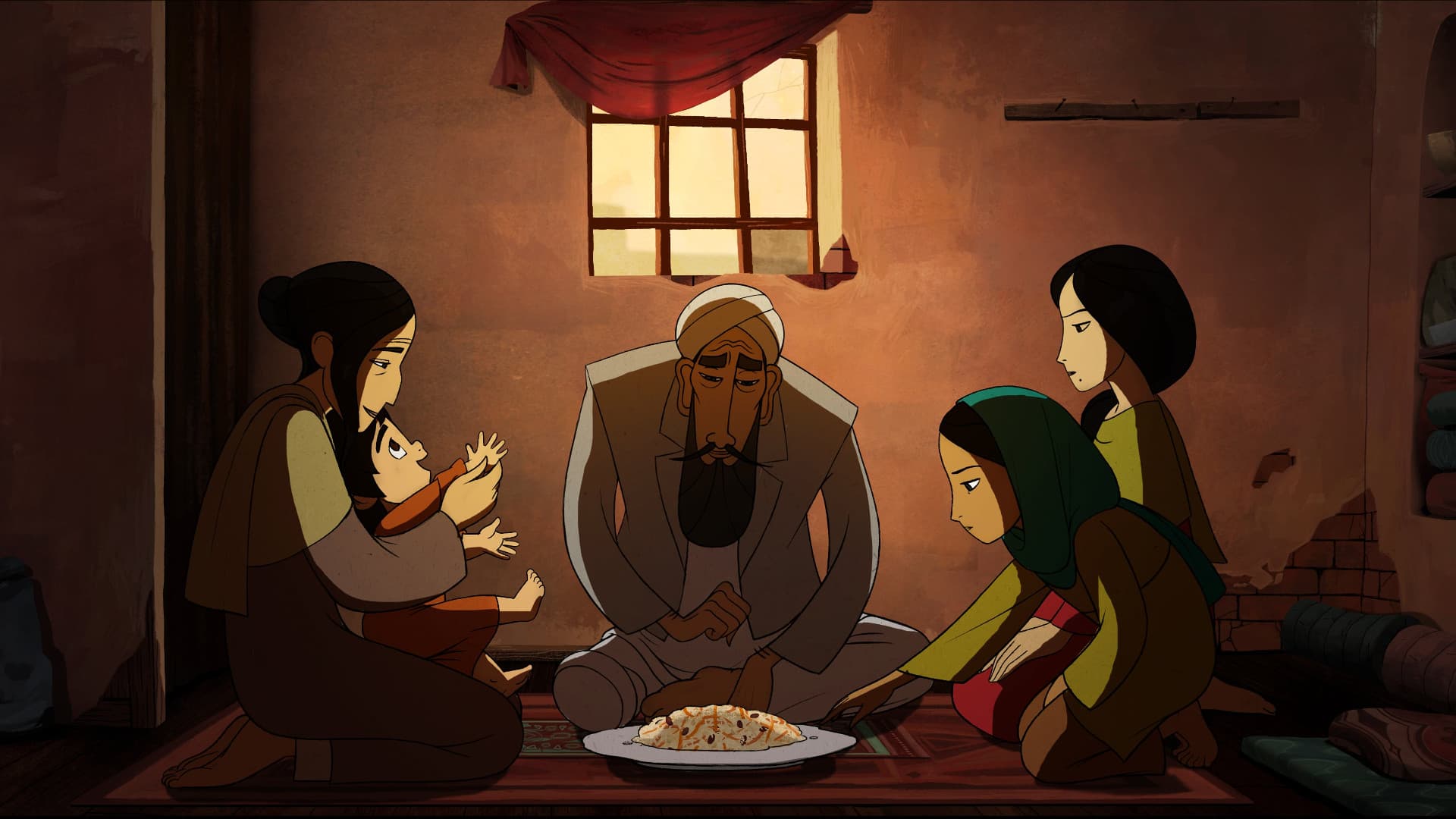
This animated film follows an eleven year old girl in Taliban ruled Kabul, with a serious, tense, and deeply humane atmosphere, even though some storybook sequences bring visual relief. The sensitive material centers on political and gender based oppression, the fear of arrest, civilians being hit or threatened, and repeated references to grief, war, and forced marriage. The violence is not graphic, but it feels realistic in its consequences, and the tension is fairly frequent because the heroine lives under surveillance, risks being exposed, and must deal with intimidating adults, the film also includes clear gender stereotypes within the society it depicts, and parents may want to explain that these are oppressive social rules being portrayed, not values the film is endorsing. Many preteens can handle it around age eleven or twelve if they are already comfortable with emotionally heavy animation, while more sensitive children may be upset by the injustice and ongoing fear. It works best with parental support and a conversation afterward about history, resilience, and the difference between depicting gender oppression and approving it.
Synopsis
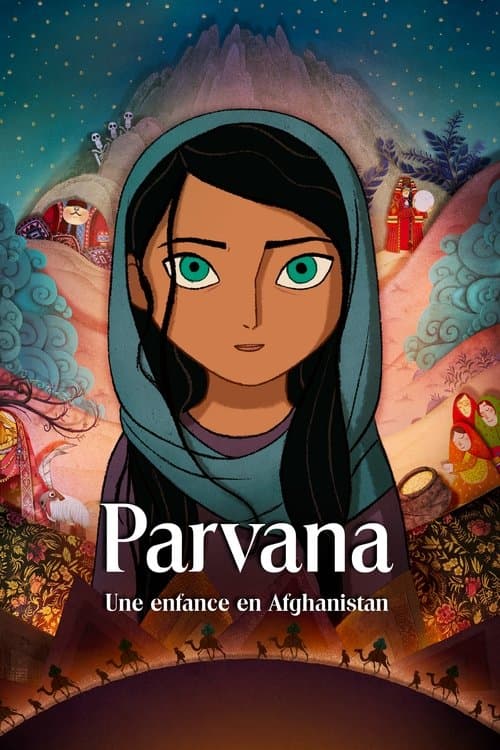
A headstrong young girl in Afghanistan, ruled by the Taliban, disguises herself as a boy in order to provide for her family.
Difficult scenes
Parvana's father is arrested harshly after a confrontation with a man connected to the regime. The scene can be upsetting because a protective parent is suddenly taken away, and the family is immediately left in fear and hardship. When Parvana and her mother try to go out for help, they are threatened, and her mother is beaten by a man in the street while others watch. The moment is not graphic, but the humiliation, injustice, and helplessness can strongly affect younger viewers. Several scenes show Parvana living under constant pressure while disguised as a boy so she can buy food and earn money. The risk of being recognized or chased creates sustained tension, especially in a sequence where men notice her and run after her. The story also carries emotionally heavy material related to grief and war, including the death of Parvana's brother, the father's amputated leg, and news that a woman was killed by a land mine. These moments are handled with restraint, but they make the danger of the conflict feel personal and real.
Where to watch
No verified platform for the US market yet. We keep this section updated as availability changes.
About this title
- Format
- Feature film
- Year
- 2017
- Runtime
- 1h 33m
- Countries
- Canada, Ireland, Luxembourg, United States of America
- Original language
- EN
- Directed by
- Nora Twomey
- Main cast
- Saara Chaudry, Soma Bhatia, Noorin Gulamgaus, Laara Sadiq, Ali Badshah, Shaista Latif, Kanza Feris, Kawa Ada, Kane Mahon, Ali Kazmi
- Studios
- Aircraft Pictures, Cartoon Saloon, Melusine Productions, Jolie Pas, GKIDS
Content barometer
Violence
3/5
Notable
Fear
3/5
Notable tension
Sexuality
0/5
None
Language
1/5
Mild
Narrative complexity
3/5
Complex
Adult themes
0/5
None
Expert review
This animated film follows an eleven year old girl in Taliban ruled Kabul, with a serious, tense, and deeply humane atmosphere, even though some storybook sequences bring visual relief. The sensitive material centers on political and gender based oppression, the fear of arrest, civilians being hit or threatened, and repeated references to grief, war, and forced marriage. The violence is not graphic, but it feels realistic in its consequences, and the tension is fairly frequent because the heroine lives under surveillance, risks being exposed, and must deal with intimidating adults, the film also includes clear gender stereotypes within the society it depicts, and parents may want to explain that these are oppressive social rules being portrayed, not values the film is endorsing. Many preteens can handle it around age eleven or twelve if they are already comfortable with emotionally heavy animation, while more sensitive children may be upset by the injustice and ongoing fear. It works best with parental support and a conversation afterward about history, resilience, and the difference between depicting gender oppression and approving it.
Synopsis
A headstrong young girl in Afghanistan, ruled by the Taliban, disguises herself as a boy in order to provide for her family.
Difficult scenes
Parvana's father is arrested harshly after a confrontation with a man connected to the regime. The scene can be upsetting because a protective parent is suddenly taken away, and the family is immediately left in fear and hardship. When Parvana and her mother try to go out for help, they are threatened, and her mother is beaten by a man in the street while others watch. The moment is not graphic, but the humiliation, injustice, and helplessness can strongly affect younger viewers. Several scenes show Parvana living under constant pressure while disguised as a boy so she can buy food and earn money. The risk of being recognized or chased creates sustained tension, especially in a sequence where men notice her and run after her. The story also carries emotionally heavy material related to grief and war, including the death of Parvana's brother, the father's amputated leg, and news that a woman was killed by a land mine. These moments are handled with restraint, but they make the danger of the conflict feel personal and real.