Pantheon
Does this age rating seem accurate to you?
Detailed parental analysis
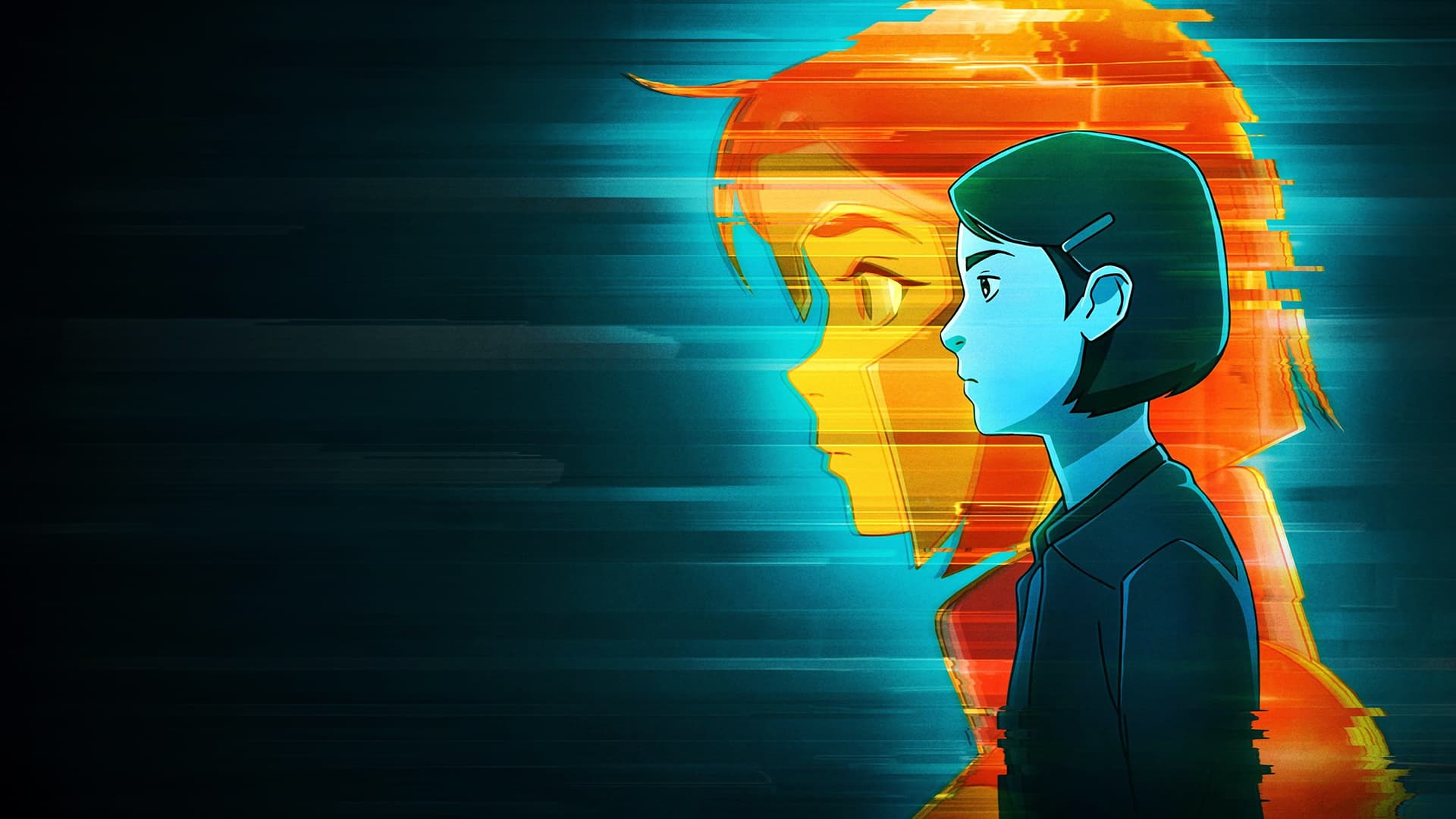
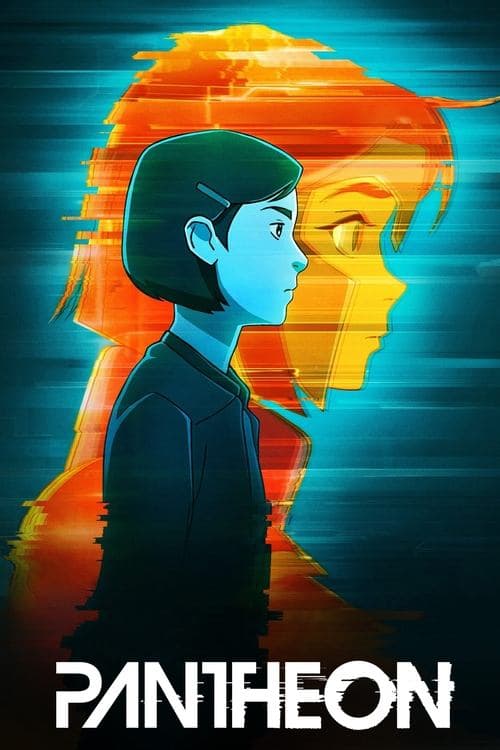
Pantheon is a science-fiction animated series with a dark, philosophical and often oppressive atmosphere that explores the consequences of a world where human consciousness can be digitised and downloaded. The plot follows Maddie, a grieving teenage girl, who discovers that her father has survived in digital form and attempts to contact her from within a computer network. The series is unambiguously aimed at a mature adolescent and adult audience, with a narrative and intellectual ambition that sets it apart from mainstream animation.
Violence
Violence is present and, at times, frankly disturbing. The scene of cerebral digitisation, which shows a brain being systematically dissected layer by layer by lasers until it disappears completely, constitutes a moment of intense and unforgettable body horror. Sequences of kidnapping and physical confrontations punctuate the narrative, and the overall register remains anxiety-inducing throughout. The violence is not gratuitous: it serves a reflection on the boundary between body and identity, on what it means to kill someone whose consciousness is immaterial. This does not diminish its impact on younger viewers, but it gives it a clear narrative function.
Social Themes
The series constructs its entire edifice around a radical social question: what happens when private technology companies appropriate human consciousness as an exploitable resource? The online and physical harassment suffered by Maddie from the first episode, complete with encouragement to take her own life, anchors this technological argument in a very concrete daily reality for adolescents. The series thus depicts a world in which the individual is both overexposed through the digital realm and profoundly vulnerable to the structures of power that control them.
Parental and Family Portrayals
Representations of family are at the heart of the narrative and highly contrasted. Maddie's father is a figure of love and protection, even in his digital form, and the mother-daughter relationship is shown as a strong emotional anchor in adversity. In direct opposition, Caspian's father is depicted as emotionally abusive, exerting constant and warping pressure on his son. This duality provides material for discussion: what parental presence means, its absences, its corruptions, and what a child might seek as an attachment figure outside the home.
Underlying Values
The series consistently values the courage to seek truth even when it is dangerous, familial loyalty as a force of resistance, and mistrust of opaque technological and corporate systems. It also interrogates, in a more subterranean way, what a life is worth when its existence depends on an infrastructure controlled by others: a reflection on autonomy and human dignity that far exceeds the scope of fiction.
Sex and Nudity
Sexual content is minimal and unproblematic. A couple is shown in an embrace under the shower, framed at the waist, and scenes of intimacy in the bedroom remain suggestive without ever becoming explicit. Nothing that requires special preparation.
Language
Language is regularly crude, with occurrences of 'shit', 'bitch', 'goddamn', 'bullshit' and other vulgar expressions. This register corresponds to the environments and situations depicted, particularly scenes of school bullying, and remains rooted in realism rather than provocation.
Strengths
Pantheon is an ambitious series that takes its young viewers seriously on an intellectual level. The writing does not simplify the questions it raises about identity, death, consciousness and technological power, and it articulates them with very human emotions: grief, fear of abandonment, the search for meaning. The narrative structure holds up over time, characters evolve consistently, and the series manages to maintain a tension that is both intimate and systemic. For an adolescent capable of tolerating the anxiety-inducing register, it constitutes a rare object: an animation that opens difficult philosophical and ethical conversations without ever becoming didactic.
Age recommendation and discussion points
The series is not recommended before the age of 13 given the emotional intensity, body horror scenes and crude depiction of online harassment. For a serene and profitable viewing experience, 14 to 15 years old constitutes a more appropriate threshold. Two angles of discussion merit being opened after viewing: what would change in our relationship with a loved one if we knew their consciousness could continue to exist in digital form, and how to recognise, in one's own life, the signs of a parental or authority relationship that tips into abuse.
Synopsis
A bullied teen receives mysterious help from someone online: a stranger soon revealed to be her recently deceased father, David, whose consciousness has been uploaded to the Cloud following an experimental destructive brain scan. David is the first of a new kind of being – an “Uploaded Intelligence” or “UI” – but he will not be the last, as a global conspiracy unfolds that threatens to trigger a new kind of world war.
Where to watch
Availability checked on Apr 03, 2026
About this title
- Format
- TV series
- Year
- 2022
- Countries
- United States of America
- Original language
- EN
- Directed by
- Craig Silverstein
- Main cast
- Katie Chang, Paul Dano, Aaron Eckhart, Rosemarie DeWitt, Chris Diamantopoulos, Raza Jaffrey, Daniel Dae Kim, Ron Livingston, Taylor Schilling
- Studios
- AMC Studios, Titmouse, Sesfonstein Productions