
Over the Hedge
Does this age rating seem accurate to you?
Detailed parental analysis
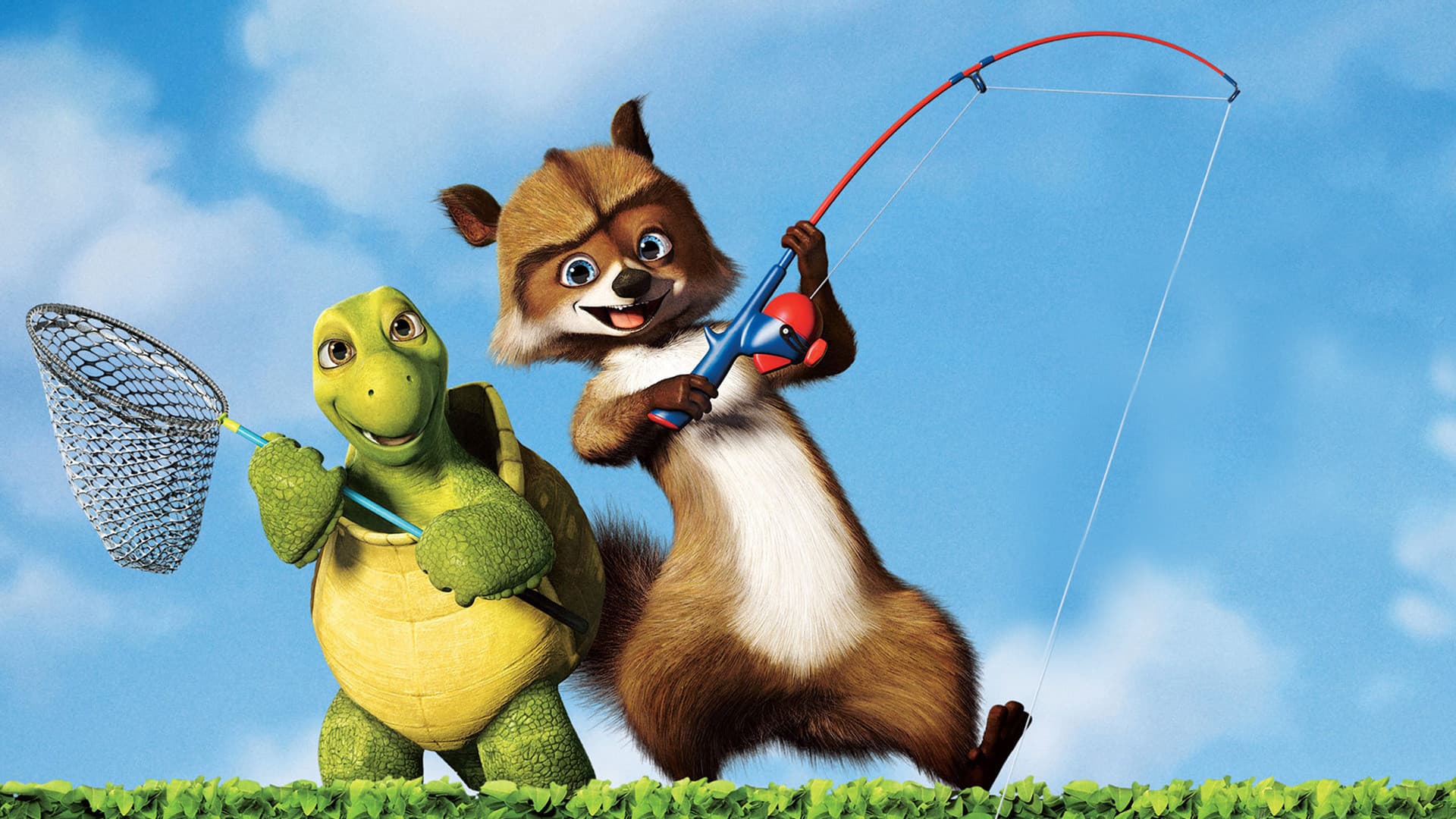
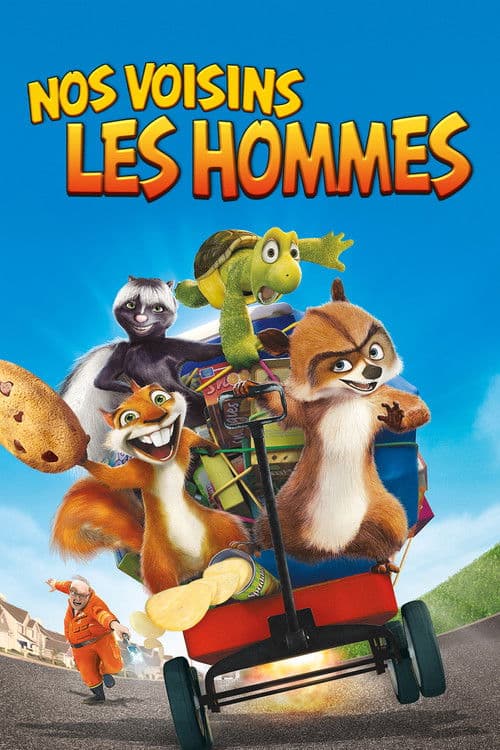
Over the Hedge is a family animated comedy with a lively and upbeat tone, driven by slapstick humour and sharp satire of mass consumption. The plot follows a group of forest animals led by a cunning raccoon who are persuaded to raid the gardens of a suburban housing estate to build up their food reserves. The film is primarily aimed at children from 6 to 7 years old, with a layer of social satire intended for the adults accompanying them.
Underlying Values
The narrative is structured around a conflict between two moral frameworks: the manipulative individualism of the protagonist raccoon, who exploits the group for personal gain, and the value of family solidarity defended by the rest of the band. The film's resolution clearly condemns manipulation and restores collective trust, which gives a readable moral framework for children. Running through the film is a satire of human consumption: the animals observe with astonishment and fascination the compulsive accumulation of goods, food and household equipment by suburban dwellers, making it a natural starting point for discussing our relationship with possession and waste.
Violence
Violence is omnipresent but entirely comic and cartoonish: characters crushed, blown away, bounced, burnt without any realistic consequence or bloodshed. It follows the tradition of classic American animated cartoons and holds no traumatic impact for most children from 6 to 7 years old. Two moments do, however, step outside the purely burlesque register: a menacing bear vows to track down and kill the raccoon with unusual seriousness for the rest of the film, and an intense nightmare sequence reinforces this threat. A young female character is also thrown down the stairs and briefly appears dead before being revealed safe and sound. These sequences are not unsettling for a 7-year-old child, but may impress a very young or sensitive child.
Social Themes
The film develops a coherent and repeated critique of the American suburban lifestyle: overconsumption, gated gardens, abundant waste, surplus electronic gadgets. This satire is not abstract for children; it comes across through the animals' astonished and covetous gaze at a world that seems absurd and inexhaustible to them. It is an interesting angle for discussing with a child or pre-adolescent what we consume, what we throw away, and what our ordinary way of life represents when seen from the outside.
Discrimination
The female skunk Stella is used to seduce and distract a guard cat by imitating the codes of the femme fatale, in a sequence clearly borrowed from the burlesque register of classic cartoons. The device is functional within the scene but it reduces the character to a tool of seduction. This stereotype is visible enough to be worth mentioning to a pre-adolescent girl who might notice it.
Language
The language remains broadly clean. There are a few deliberate burping gags and recurrent physical humour, in keeping with the usual register of family animated comedies. No foul language or direct insults appear in the film.
Substances
One sequence shows the squirrel Hammy under the influence of caffeine, triggering an extremely hyperactive state that is visually exaggerated. The sequence is treated as a spectacular gag and constitutes one of the film's most memorable comic moments. Without being an explicit endorsement of stimulants, it clearly associates caffeine consumption with comically superhuman effects, which may warrant a brief word with an inquisitive child.
Strengths
The film succeeds in running two levels of reading simultaneously without one overshadowing the other: children follow the slapstick and endearing characters, adults perceive the satire of consumer society. The writing is brisk and economical, each animal character is given clear characterisation that facilitates identification. The story's moral is woven into the action without being spelled out, which gives it genuine pedagogical lightness. The final sequence centred on Hammy is a genuine piece of comic bravura, well constructed and memorable.
Age recommendation and discussion points
The film is suitable from 6 to 7 years old without major reservation, and can quite happily be watched as a family with younger children provided an adult is present to defuse the two or three tense sequences with the bear. After viewing, two discussion angles are worth pursuing: ask the child what he or she thinks about the way the humans in the film use and waste their possessions, and ask whether the raccoon was right to lie to his friends to achieve his goals, and what that changed in the group.
Synopsis
A scheming raccoon fools a mismatched family of forest creatures into helping him repay a debt of food, by invading the new suburban sprawl that popped up while they were hibernating – and learns a lesson about family himself.
About this title
- Format
- Feature film
- Year
- 2006
- Runtime
- 1h 25m
- Countries
- United States of America
- Original language
- EN
- Studios
- DreamWorks Animation
Content barometer
- Violence2/5Moderate
- Fear2/5A few scenes
- Sexuality1/5Allusions
- Language1/5Mild
- Narrative complexity1/5Accessible
- Adult themes1/5Mild
Watch-outs
- Drugs
- Gender stereotypes
Values conveyed
- Acceptance of difference
- Loyalty
- friendship
- family
- teamwork
- forgiveness