
One Piece: The Movie
ワンピース
Does this age rating seem accurate to you?
Detailed parental analysis
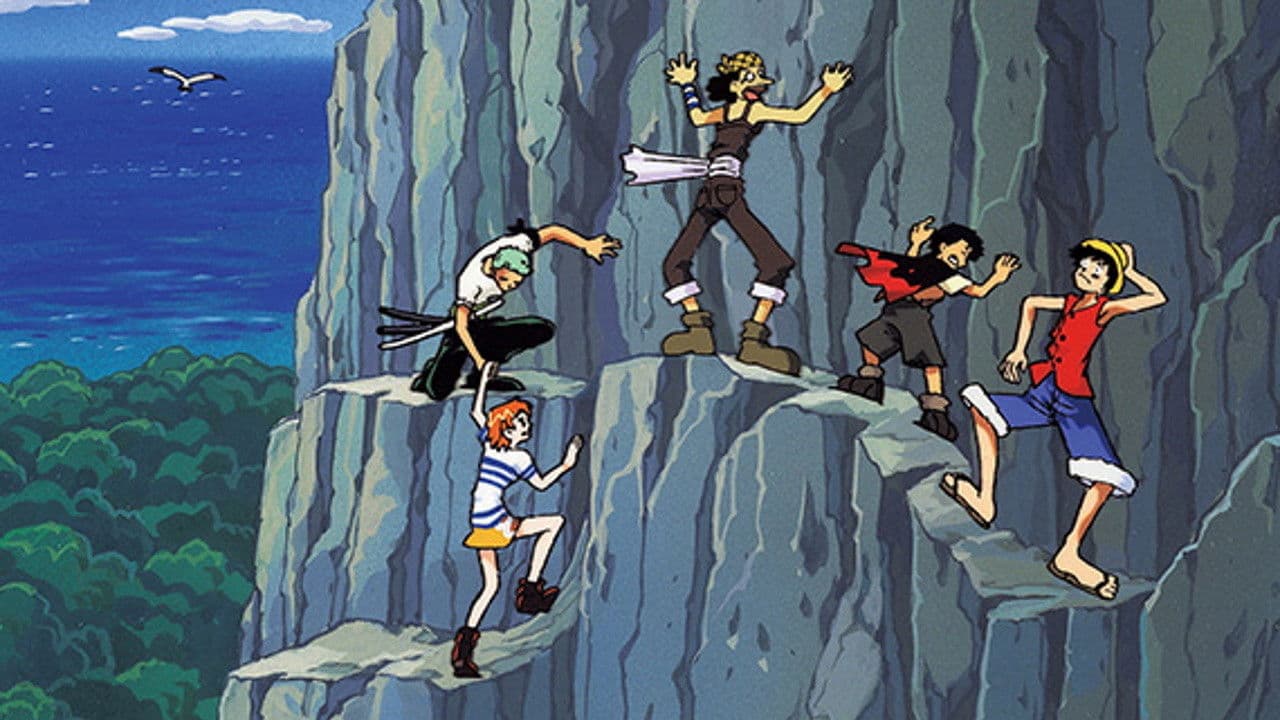
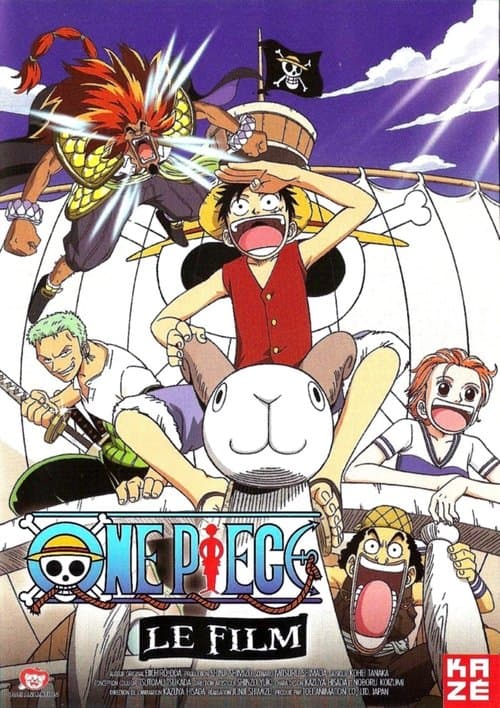
One Piece: The Movie is an animated adventure film with an upbeat and colourful tone, faithful to the spirit of the television series from which it is drawn. The plot follows Luffy and his pirate crew as they set out to confront the formidable El Drago, who is hunting a fabulous legendary treasure, whilst a child is held hostage in the process. The film is intended primarily for viewers already devoted to the series, from early adolescence onwards, and does not constitute an independent entry point into the One Piece universe.
Underlying Values
The film builds its entire narrative on loyalty between crew members, the protection of the vulnerable and courage in the face of a stronger adversary. These values are not simply stated: they structure every decision made by the main characters and give clear meaning to the confrontations. The resolution of conflicts, however, consistently passes through physical confrontation, which establishes an implicit logic whereby force is the primary tool of justice. This point deserves to be raised with the child, not to condemn it, but to open up the question of what the characters might have done differently.
Violence
The fights are numerous, fast-paced and form the backbone of the film. This is stylised violence characteristic of the shonen genre, without bloodshed or gory sequences, but with genuine physical intensity: powerful blows, sword fights, characters battered and bruised. The violence is here functional and narrative, never gratuitous, always in service of a stake of protection or justice. It remains within the usual codes of Japanese animation for this audience, without causing offence beyond the reasonable for a child of 10 to 11 years old.
Discrimination
The antagonist El Drago is presented with visual and behavioural attributes that combine a vaguely pre-Columbian aesthetic, traits associated with femininity and an obsession with gold described as sensual. This construction of the villain stacks several markers in a reductive manner, without the film problematising it. It is not the centre of the narrative, but it can become a good opportunity to discuss with the child how cinema visually constructs villains, often by drawing on codes that associate otherness with threat.
Social Themes
The detention of children against their will by an adult pirate is a narrative device that can generate some tension in younger viewers. The theme is not treated with any particular dramatic depth, but the situation of captivity and helplessness of a child in the face of violent adults is sufficiently concrete to merit attention, particularly for sensitive children under 10 years of age.
Strengths
The film efficiently fulfils its brief in a very short format of around fifty minutes: it is dynamic, visually clear and respects the energy inherent to the One Piece universe. For young fans of the series, it offers the pleasure of encountering beloved characters in a new adventure, with genuine and contagious crew camaraderie. Its brevity also makes it a practical introduction to assess a child's tolerance for the codes of the shonen genre before considering the long series. It offers, on the other hand, neither character development nor narrative ambition beyond that of a feel-good episode.
Age recommendation and discussion points
The film is suitable from 10 years old for children familiar with One Piece, though stylised violence and the captivity of a child may upset the more sensitive viewers below this age. Two interesting angles for discussion after viewing: ask the child why all conflicts end in a fight and whether they can see other ways for the heroes to help Tabio, and draw their attention to how El Drago is drawn so that we immediately understand he is the villain, exploring together the visual codes of good and evil in cinema.
Synopsis
There once was a pirate known as the Great Gold Pirate Woonan, who obtained almost one-third of the world's gold. Over the course of a few years, the pirate's existence faded, and a legend grew that he disappeared with his gold to a remote island, an island pirates continue to search for. Aboard the Going Merry, Luffy and his crew, starved and reckless, are robbed of their treasure. In an attempt to get it back, they wreck the getaway ship, guided by a young boy named Tobio, who's a captured part of El Drago's pirate crew. El Drago's love for gold has driven him to look for Woonan's island, and thanks to Woonan's treasure map, he finds it. During this time, Luffy's crew have been split up, and despite their own circumstances, they must find a way to stop El Drago from obtaining Woonan's gold.
About this title
- Format
- Feature film
- Year
- 2000
- Runtime
- 50m
- Countries
- Japan
- Original language
- JA
- Directed by
- Junji Shimizu
- Main cast
- Mayumi Tanaka, Kazuya Nakai, Akemi Okamura, Kappei Yamaguchi, Yuka Imai, Takeshi Aono, Taiki Matsuno, Nachi Nozawa, Takeshi Kusao, Kenji Utsumi
- Studios
- Toei Animation
Content barometer
- Violence2/5Moderate
- Fear2/5A few scenes
- Sexuality0/5None
- Language0/5None
- Narrative complexity0/5Simple
- Adult themes0/5None
Watch-outs
- Ethnic or racial stereotypes
- Abuse
- Violence