
One Piece Film Red
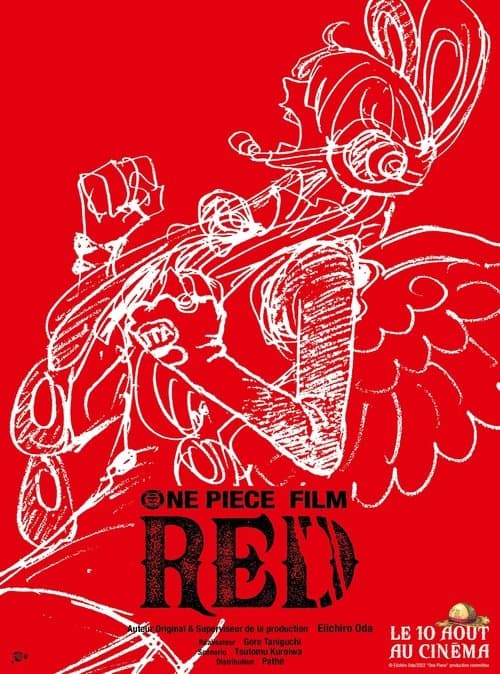
ONE PIECE FILM RED
Does this age rating seem accurate to you?
Detailed parental analysis
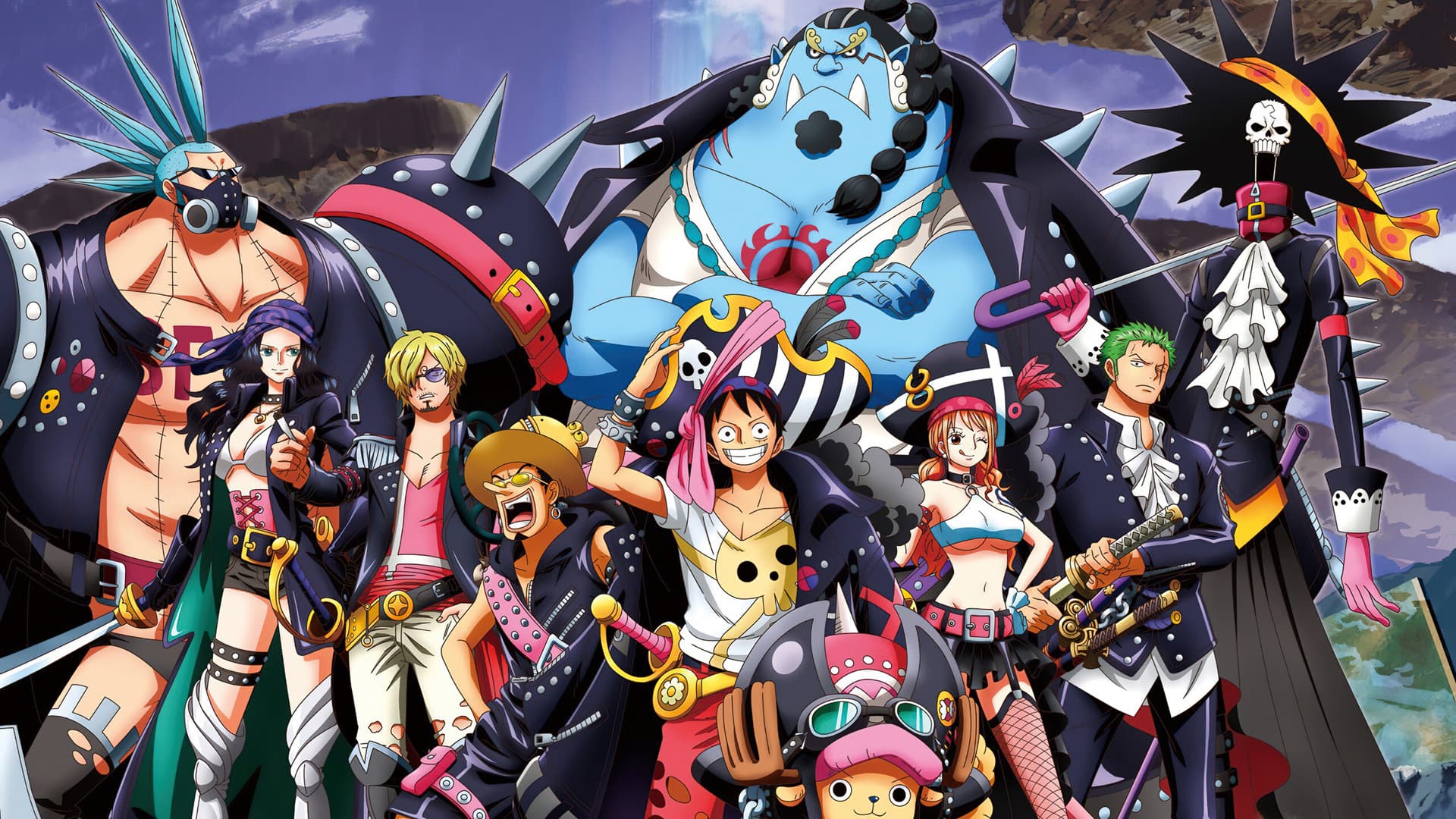
One Piece Film: Red is a Japanese animated film with a festive and spectacular register, carried along by an omnipresent soundtrack and a colourful aesthetic that contrasts with the emotional stakes of its plot. The story follows Luffy and his crew at a grand concert organised by a prodigious singer whose hidden powers conceal a secret with far-reaching consequences for the entire world. Despite its place within a long-running franchise, the film presents itself as a standalone narrative accessible to newcomers. It targets primarily adolescents and young adults who are fans of the series, but can equally well be watched without prior knowledge of the universe.
Violence
The film constructs a sincere debate around two conceptions of freedom: the one that Luffy defends through travel and piracy, that is, a freedom chosen even if imperfect, and the one that Uta seeks to impose by force, an absolute peace obtained by eliminating choice. This conflict is not sidestepped and gives the narrative a true moral backbone. Collective solidarity is valued concretely, with each member of the crew playing a role in resolving the crisis. The childhood friendship between Luffy and Uta is treated with genuine emotional depth, including in its painful and irreversible aspects.
Underlying Values
The film constructs a sincere debate around two conceptions of freedom: the one that Luffy defends through travel and piracy, that is, a freedom chosen even if imperfect, and the one that Uta seeks to impose by force, an absolute peace obtained by eliminating choice. This conflict is not sidestepped and gives the narrative a true moral backbone. Collective solidarity is valued concretely, with each member of the crew playing a role in resolving the crisis. The childhood friendship between Luffy and Uta is treated with genuine emotional depth, including in its painful and irreversible aspects.
Sex and Nudity
Several secondary female characters and background figures are depicted with highly stylised silhouettes, reduced clothing and an emphasis on their breasts. This hypersexualisation of background characters is a recurring trait of the One Piece universe and is very much present here. A scene in which a male character attempts to look up a woman's skirt is treated as comedy, which normalises behaviour that deserves to be discussed explicitly with a child. The main female characters escape this treatment and are depicted with greater depth.
Discrimination
The visual objectification of secondary female characters is systematic and is never questioned by the narrative. It constitutes a normalised visual backdrop that the film does not problematise. This is a concrete point to address with an adolescent, particularly because the contrast between the main female characters, who are endowed with real skills and motivations, and the background figures reduced to their appearance, is striking and revealing of a double standard in representation.
Parental and Family Portrayals
The paternal figure is central to Uta's trajectory, whose choices and suffering are directly linked to a fractured father-daughter relationship. This relationship is treated with a degree of emotional complexity and constitutes one of the film's most charged driving forces. Absent or failing parenting as a driver of an identity quest is a theme that can resonate with adolescents and merits being acknowledged rather than sidestepped.
Substances
Background characters are shown drinking wine in a festive context, and one character smokes a cigar. These elements are occasional and are not subjected to any particular valorisation, but their presence is real.
Language
In both the French version and the English dub, the language remains generally moderate with a few colloquial expressions. Nothing that exceeds the usual standards of an action film for adolescents.
Strengths
The film draws genuine strength from its integration of music into the narrative: Uta's songs are not merely interludes but vectors of the plot and revealers of her inner state, which is narratively effective and emotionally engaging. The story manages to make a very dense universe readable for newcomers, whilst offering fans of the series additional resonance. The emotional arc between Luffy and Uta gives the film an ambition beyond pure spectacular entertainment, by posing questions about the weight of ideals, the price of freedom and the difficulty of mourning a lost friendship. The pacing is sustained without being exhausting, and the combat sequences remain legible.
Age recommendation and discussion points
The film is suitable from age eleven onwards for a child comfortable with the codes of Japanese animated series, and without major reservations from age thirteen onwards. Two angles are worth discussing after viewing: first, the question of freedom that each character defends and why imposed peace is not the same as chosen peace; secondly, the way in which the film visually represents women very unequally depending on whether they are main characters or background figures, and what this says about the conventions of the genre.
Synopsis
A new adventure begins for Luffy and his crew when mysterious pop superstar Uta unveils her identity — and launches a misguided plan for world peace.
About this title
- Format
- Feature film
- Year
- 2022
- Runtime
- 1h 55m
- Countries
- Japan
- Original language
- JA
- Studios
- Toei Animation, Shueisha, Toei Company, Fuji Television Network, Bandai, Bandai Namco Entertainment, ADK Emotions, dentsu
Content barometer
- Violence3/5Notable
- Fear2/5A few scenes
- Sexuality2/5Mild
- Language1/5Mild
- Narrative complexity2/5Moderate
- Adult themes1/5Mild
Watch-outs
- Grief
- Gender stereotypes
- Violence
- Death / grief
Values conveyed
- Friendship
- Perseverance
- Loyalty
- courage
- music