Once Upon a Time... The Objects
Does this age rating seem accurate to you?
Detailed parental analysis
This educational animated series has a calm, reassuring, and curious tone as it explores the history of everyday objects through short episodes designed for young children. Sensitive content is very limited, and mainly comes from occasional historical references, such as old tools, wartime contexts, inventions linked to difficult human needs, or brief images of danger used to explain science and history. The intensity stays low throughout, with no graphic violence, no sexual content, no meaningful coarse language, and no sustained frightening atmosphere, making it clearly gentler than broader family adventures with more action or peril. For most children around age 4, the material is suitable, especially if they enjoy asking questions about how things work, and parents can support viewing by briefly explaining more abstract historical passages and helping children understand that these scenes are educational illustrations rather than immediate threats.
Synopsis
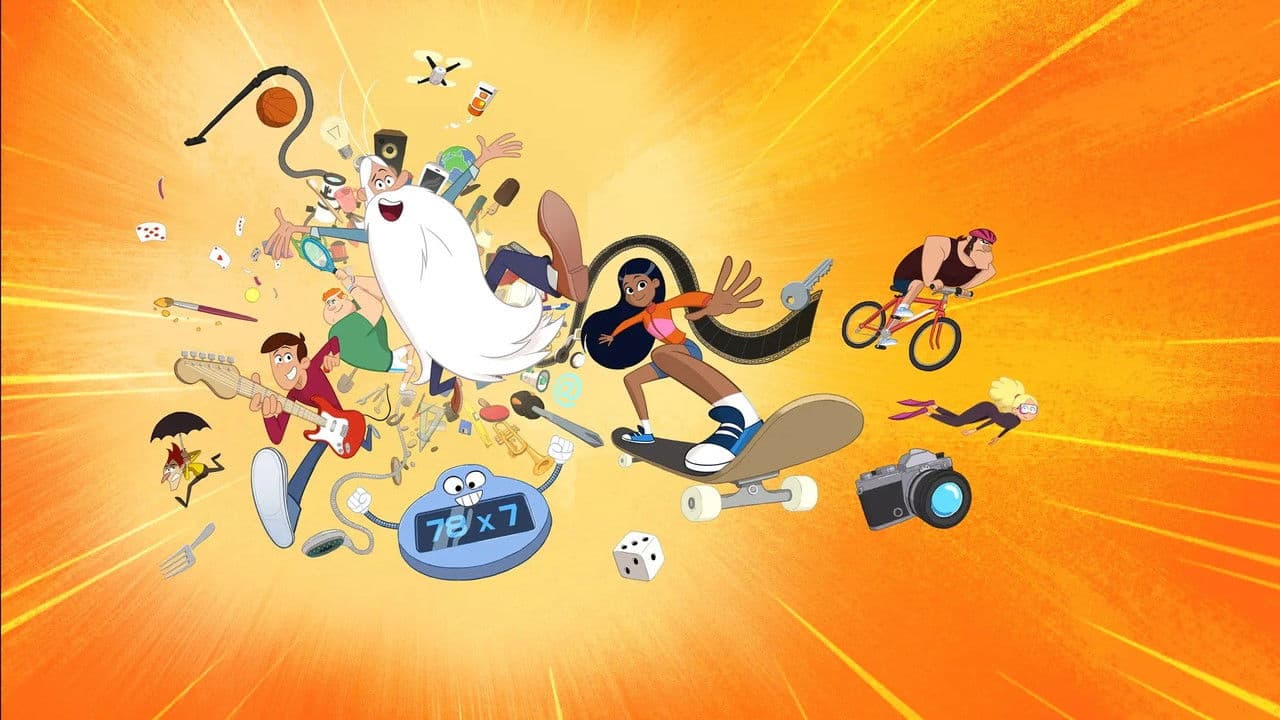
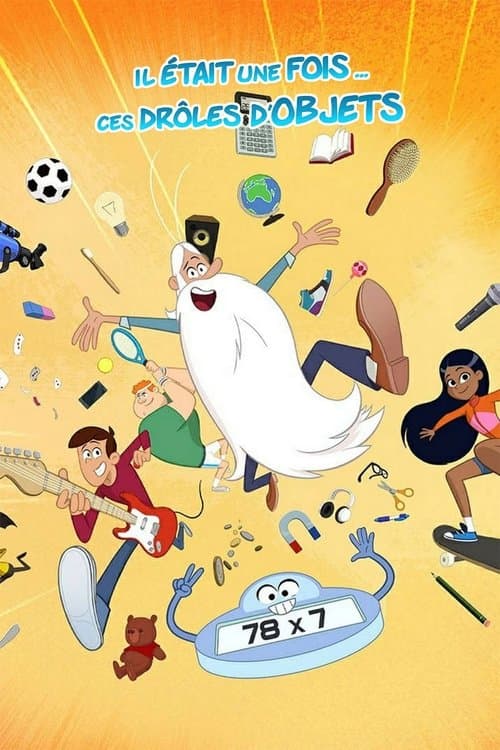
Did you know that behind a soccer ball, glasses or a spoon lie treasures of inventiveness and thousands of years of history? Each episode of this new series looks at an object. Through its creation and its developments, through the ages and civilizations, we approach all sciences, from physics to philosophy, including history. Each object of our daily life is the result of a long process and conceals a rich history of knowledge and human adventures. Never again will you look at your stairs, your pants or a computer the same way...
About this title
- Format
- TV series
- Year
- 2024
- Runtime
- 7m
- Countries
- France
- Original language
- FR
- Directed by
- Albert Barillé, Hélène Barillé
- Main cast
- Jean-Claude Donda
- Studios
- Procidis, Samka Productions, RTS, TV5 Monde, PROCIREP, Angora Production
Content barometer
- Violence0/5None
- Fear1/5Mild
- Sexuality0/5None
- Language0/5None
- Narrative complexity1/5Accessible
- Adult themes0/5None
Values conveyed
- curiosity
- learning
- inventiveness
- history