
Here We Are: Notes for Living on Planet Earth
Here We Are: Notes for Living on Planet Earth
Your feedback improves this guide
Your feedback highlights guides that need a second look and keeps the rating trustworthy.
Does this age rating seem accurate to you?
Sign in to vote
What this film brings
Content barometer
Violence
0/5
None
Fear
1/5
Mild
Sexuality
0/5
None
Language
0/5
None
Narrative complexity
0/5
Simple
Adult themes
0/5
None
Expert review
This animated short offers a warm and very accessible introduction to life on Earth, seen through the eyes of a curious child guided by his parents inside an imaginative museum setting. Sensitive material is minimal, mainly consisting of a few moments of awe linked to the size of the planet, brief images involving animals, oceans, or space, and a mild feeling of being small in a very large world. The intensity stays low throughout, with no real violence, no coarse language, no sexual content, and no substance use, making it gentler than many family adventures used as comparison points. For most children around age 4 and up, it is suitable and easy to follow, especially with an adult nearby to answer questions about nature, emotions, or how humans fit into the wider world. Parents can make the experience even more reassuring by framing the film as a celebration of curiosity, connection, and wonder rather than anything frightening.
Synopsis
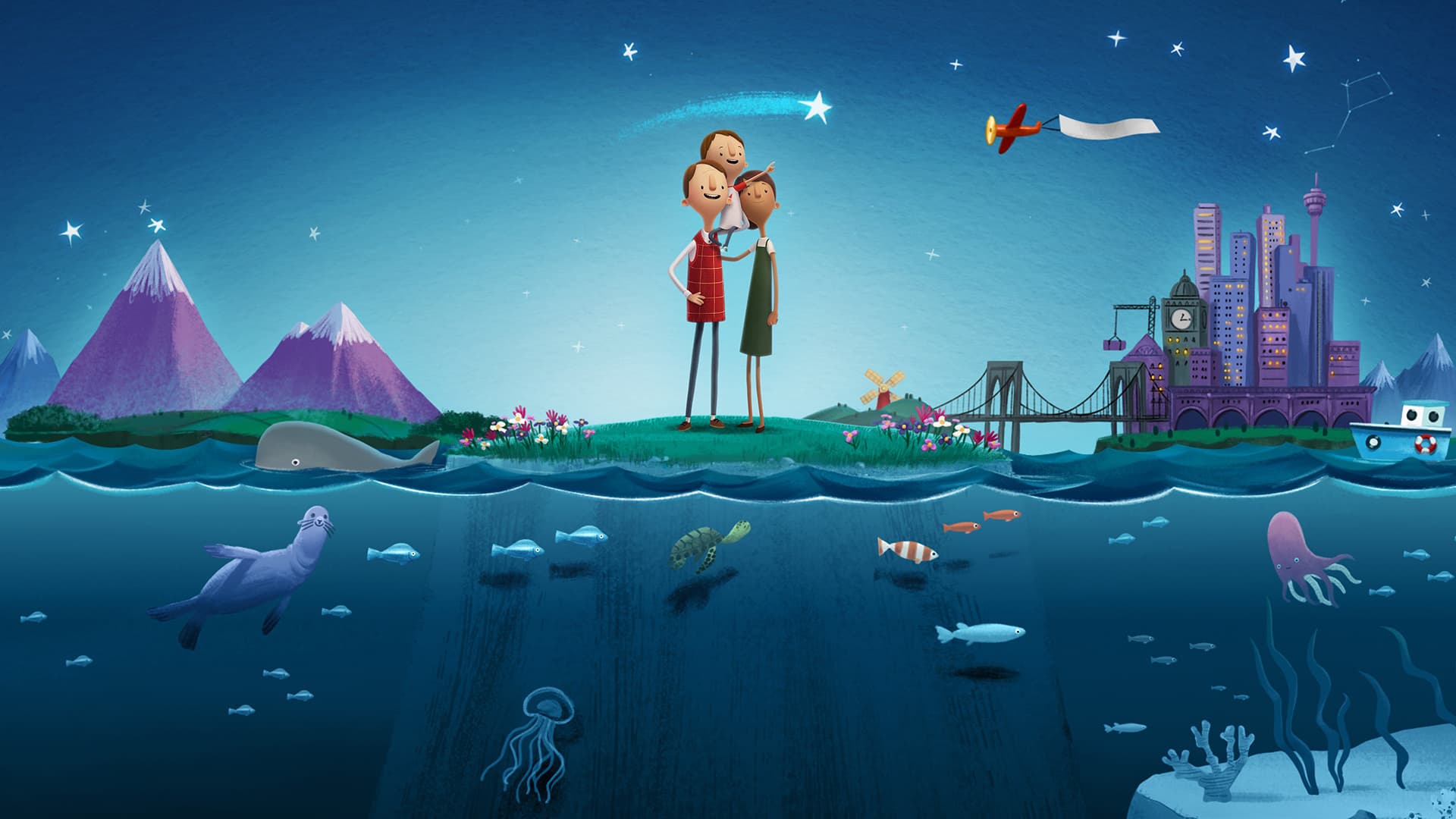
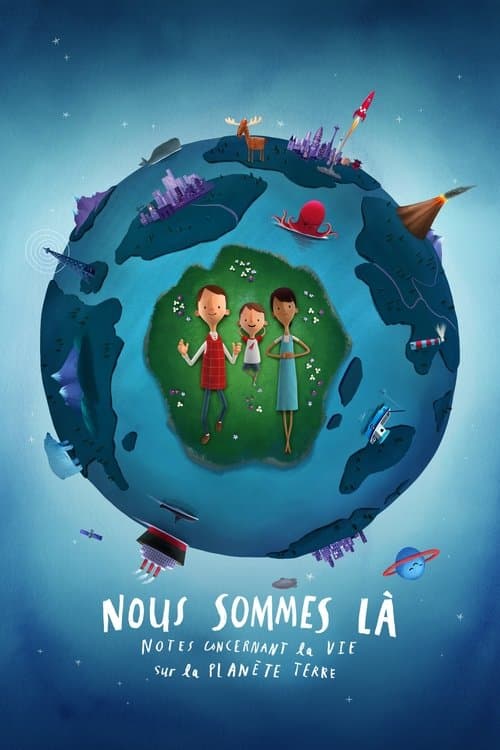
On the eve of Earth Day, a precocious seven-year-old learns about the wonders of the planet from his parents—and a mysterious exhibit at the aptly named Museum of Everything.
Difficult scenes
Some sequences highlight the vast scale of Earth, the ocean, or outer space, using large visual imagery that may feel a little overwhelming to very young children who are sensitive to immersive pictures. It is not framed as scary, yet a child may still benefit from reassurance that this exploration is gentle, poetic, and safe. There are also a few moments when the young main character realizes that the world is huge, complex, and full of many different living beings. For a small child, that idea can raise questions about where humans belong, about being alone, or about separation, even though the film consistently returns to a loving and reassuring family perspective.
Where to watch
No verified platform for the US market yet. We keep this section updated as availability changes.
Availability checked on Apr 01, 2026
About this title
- Format
- Short film
- Year
- 2020
- Runtime
- 37m
- Countries
- United Kingdom
- Original language
- EN
- Studios
- Studio AKA
Content barometer
Violence
0/5
None
Fear
1/5
Mild
Sexuality
0/5
None
Language
0/5
None
Narrative complexity
0/5
Simple
Adult themes
0/5
None
Expert review
This animated short offers a warm and very accessible introduction to life on Earth, seen through the eyes of a curious child guided by his parents inside an imaginative museum setting. Sensitive material is minimal, mainly consisting of a few moments of awe linked to the size of the planet, brief images involving animals, oceans, or space, and a mild feeling of being small in a very large world. The intensity stays low throughout, with no real violence, no coarse language, no sexual content, and no substance use, making it gentler than many family adventures used as comparison points. For most children around age 4 and up, it is suitable and easy to follow, especially with an adult nearby to answer questions about nature, emotions, or how humans fit into the wider world. Parents can make the experience even more reassuring by framing the film as a celebration of curiosity, connection, and wonder rather than anything frightening.
Synopsis
On the eve of Earth Day, a precocious seven-year-old learns about the wonders of the planet from his parents—and a mysterious exhibit at the aptly named Museum of Everything.
Difficult scenes
Some sequences highlight the vast scale of Earth, the ocean, or outer space, using large visual imagery that may feel a little overwhelming to very young children who are sensitive to immersive pictures. It is not framed as scary, yet a child may still benefit from reassurance that this exploration is gentle, poetic, and safe. There are also a few moments when the young main character realizes that the world is huge, complex, and full of many different living beings. For a small child, that idea can raise questions about where humans belong, about being alone, or about separation, even though the film consistently returns to a loving and reassuring family perspective.