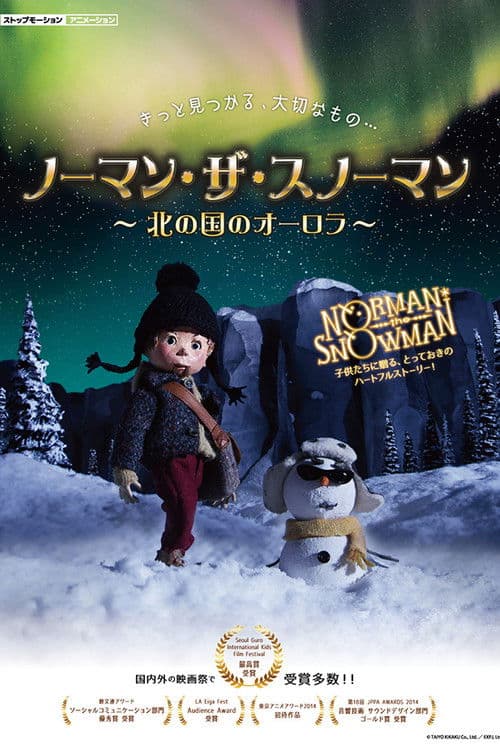
Norman the Snowman: The Northern Lights
ノーマン・ザ・スノーマン~北の国のオーロラ~
Does this age rating seem accurate to you?
Detailed parental analysis
Arthur and the Northern Lights is a contemplative and poetic animated short film, bathed in a soft and luminous winter atmosphere. The story follows a child who ventures alone into the snowy night to find an extraordinary friend, in the heart of grand natural surroundings. The film is primarily aimed at very young children, with a kind and soothing tone despite a few moments of tension.
Underlying Values
The film carries a clear and explicitly formulated philosophical message: what cannot be seen does not exist any less. This invitation to accept the invisible and immaterial is at the heart of the narrative and can open up beautiful discussions about the nature of friendship, imagination and even faith in the broader sense. In parallel, the film treats the child's nocturnal flight as a benevolent adventure rather than as a problematic act, which deserves to be noted: no character questions the fact that a child ventures alone at night into a wild environment. This narrative choice is not morally dangerous in itself, but it justifies a conversation with the child about why we do not do this in real life, and about the difference between the magic of the story and the safety rules of everyday life. The film also addresses, with delicacy, the child's learning of acceptance of parental constraints.
Parental and Family Portrayals
The parental figure, notably the mother, is present in absence rather than on screen: it is her felt absence that drives the child to want to tell her about his adventures. This lack is treated with genuine tenderness and reminds the young viewer of the importance of family bonds, without ever dramatising the situation. The parents are neither failing nor idealised, simply distant in the course of the story, which gives the child an unusual narrative autonomy for his age.
Social Themes
The film demonstrates genuine sensitivity towards wild nature and large undeveloped spaces. The discovery of the snowy mountain and the northern lights is treated with wonder, suggesting an instinctive respect for preserved natural environments. Without being an ecological film strictly speaking, it instils in the young viewer a contemplative and respectful relationship with the natural world.
Strengths
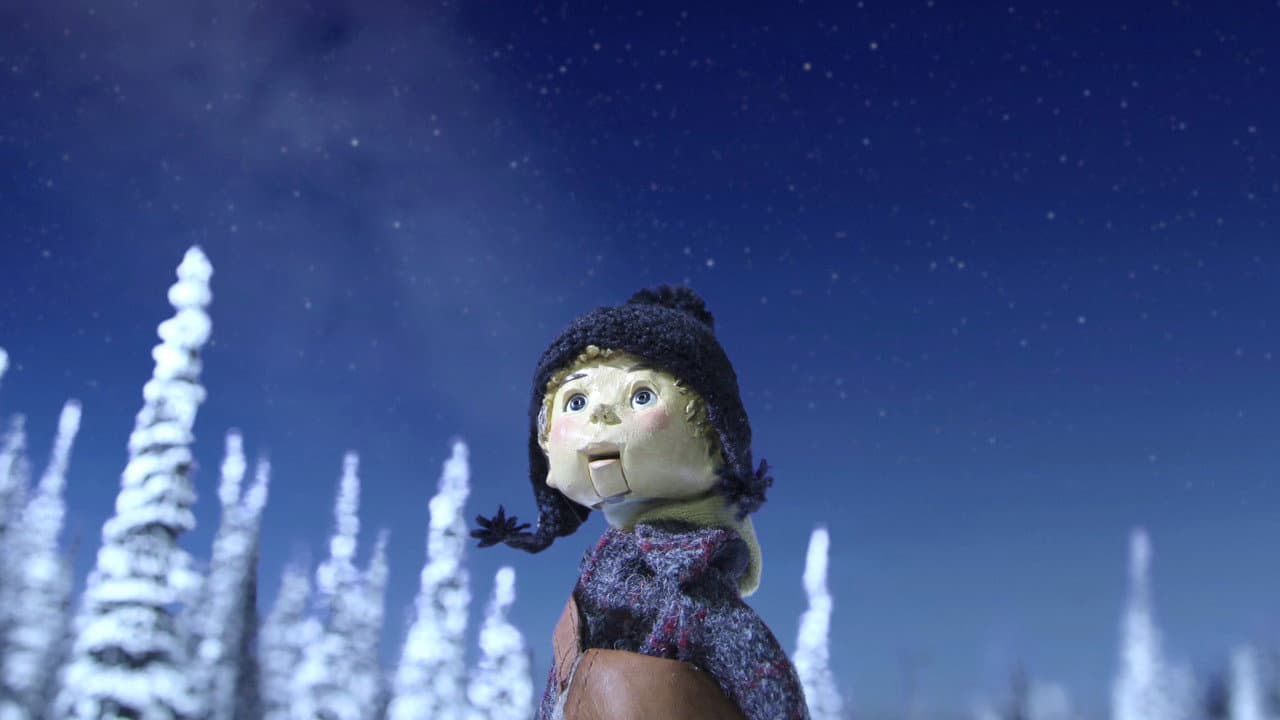
The film draws its strength from its ability to capture childlike wonder at nature with remarkable economy of means. The representation of the northern lights and the winter landscape offers a striking visual introduction to real natural phenomena, which gives it concrete educational value. The treatment of friendship between a child and an imaginary being is conducted with a sincerity that avoids sentimentality and rings true. The narrative tension, light but well-balanced, keeps the attention of the youngest viewers without ever overwhelming them.
Age recommendation and discussion points
The film is accessible from 3 or 4 years old and can be watched as a family without particular reservations. Two angles deserve to be explored after viewing: ask the child why he thinks one does not venture out alone at night in real life, even to find a friend, and explore together what he himself believes without being able to see it, to extend the beautiful question posed by the film.
Synopsis
The boy has longed to visit the northern country and experience the beautiful mysteries of nature that his childhood friend Norman the Snowman has told him about. On the first day of snow in the northern country, the boy sneaks out of his house and boards a northbound train with Norman to see the mysteries of nature with his own eyes.
About this title
- Format
- Short film
- Year
- 2013
- Runtime
- 25m
- Countries
- Japan
- Original language
- JA
Content barometer
- Violence0/5None
- Fear1/5Mild
- Sexuality0/5None
- Language0/5None
- Narrative complexity0/5Simple
- Adult themes0/5None
Values conveyed
- Friendship
- Acceptance of difference
- Perseverance
- Loyalty
- Autonomy
- wonder
- promise
- discovery