Ninjago: Masters of Spinjitzu
Does this age rating seem accurate to you?
Detailed parental analysis
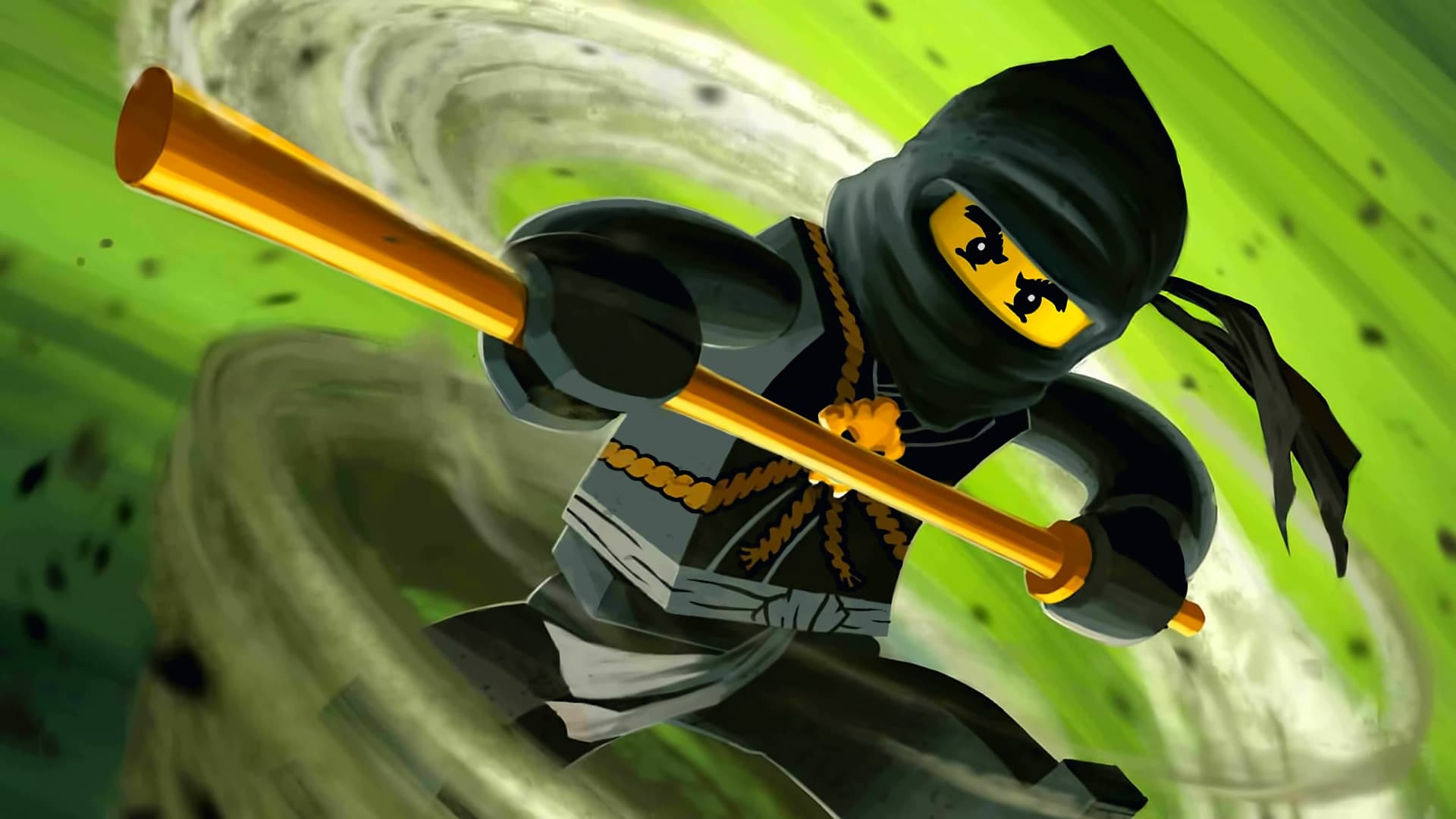
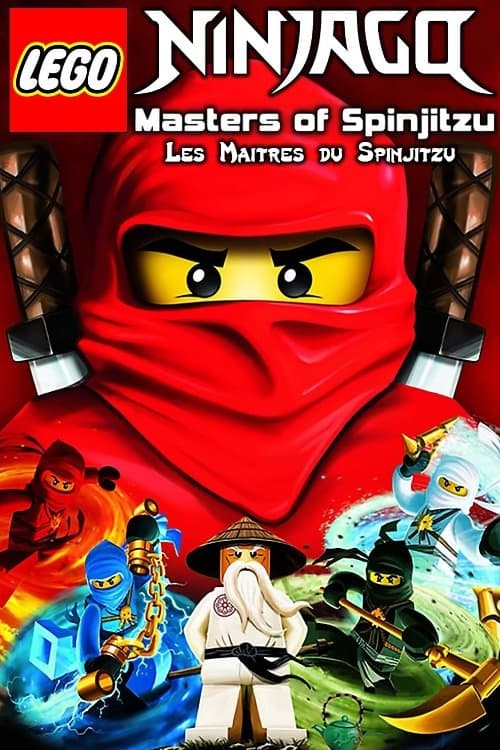
Ninjago: Masters of Spinjitzu is a computer-animated series with a dynamic and colourful atmosphere, carried along by constant humour that lightens genuine narrative tension. The plot follows four young ninjas trained by the wise Sensei Wu to master their elemental powers and counter the threat of a skeleton army led by the Skeleton Lord. The intended audience is children from six years old, but the brisk pacing, references to the LEGO universe and repeated action sequences appeal especially to seven- to twelve-year-olds.
Underlying Values
The narrative is structured around a central and coherent idea: true power does not come from brute force but from inner mastery, patience and collective work. Sensei Wu embodies a wise and benevolent figure of authority whose lessons run through each episode without ever tipping into imposed morality. The group of ninjas functions as a model of cooperation where individual differences become assets rather than sources of friction. One point deserves mention: the series is backed by a LEGO toy range, and this commercial relationship is transparent in the recurring emphasis on vehicles, armour and accessories that can fuel requests to buy. This is not a serious narrative flaw, but it is a dynamic worth discussing with the child.
Violence
Martial arts combat is frequent and forms the main driver of action sequences, but it remains entirely free of blood or realistic physical consequence, which is consistent with the LEGO universe. The enemies are stylised skeletons whose non-human nature neutralises the emotional impact of confrontations. Violence is justified by the classic heroes-against-evil-threat framework, it is never gratuitous or indulgent, and the humour woven into action scenes further reduces its weight. For a child of seven or older, the level remains perfectly manageable.
Parental and Family Portrayals
Sensei Wu plays the role of mentor and substitute father to the four ninjas, and this relationship structures the entire series. The figure of the wise and patient master is central and valued without ambiguity. The biological parents of the characters are absent or scarcely present, which is a common convention of the genre but worth noting: legitimate authority here belongs to the chosen master rather than the family of origin.
Strengths
The series successfully articulates physical action and moral progression in a way that is legible for a young audience without lapsing into imposed lessons. The character of Sensei Wu offers a model of authority figure who transmits through example and patience rather than injunction, which is relatively rare in the genre. The humour is well-pitched and avoids condescension towards children while defusing moments of tension. The structure based on natural elements (fire, ice, lightning, earth) gives the narrative simple and effective symbolic coherence, and offers natural entry points for talking with a child about what self-mastery represents.
Age recommendation and discussion points
The series is suitable from age seven, with fully relaxed viewing from age eight onwards. Two angles of discussion are worth pursuing after viewing: ask the child what he thinks of the difference between being strong and being powerful according to Sensei Wu, and address honestly why certain toys make him want to buy them after watching the series.
Synopsis
When the fate of their world, Ninjago, is challenged by great threats, it's up to the ninja: Kai, Jay, Cole, Zane, Lloyd and Nya to save the world.
Where to watch
Availability checked on Apr 27, 2026
About this title
- Format
- TV series
- Year
- 2012
- Runtime
- 22m
- Countries
- Canada, Denmark
- Original language
- EN
- Directed by
- Tommy Andreasen, Michael Hegner
- Main cast
- Vincent Tong, Sam Vincent, Michael Adamthwaite, Brent Miller, Andrew Francis, Kelly Metzger, Paul Dobson, Mark Oliver
- Studios
- The LEGO Group, WildBrain Studios, Wil Film
Content barometer
- Violence2/5Moderate
- Fear2/5A few scenes
- Sexuality0/5None
- Language0/5None
- Narrative complexity1/5Accessible
- Adult themes0/5None
Watch-outs
- Violence
Values conveyed
- Courage
- Perseverance
- friendship
- teamwork