Ne Zha 2
哪吒之魔童闹海
Does this age rating seem accurate to you?
Detailed parental analysis
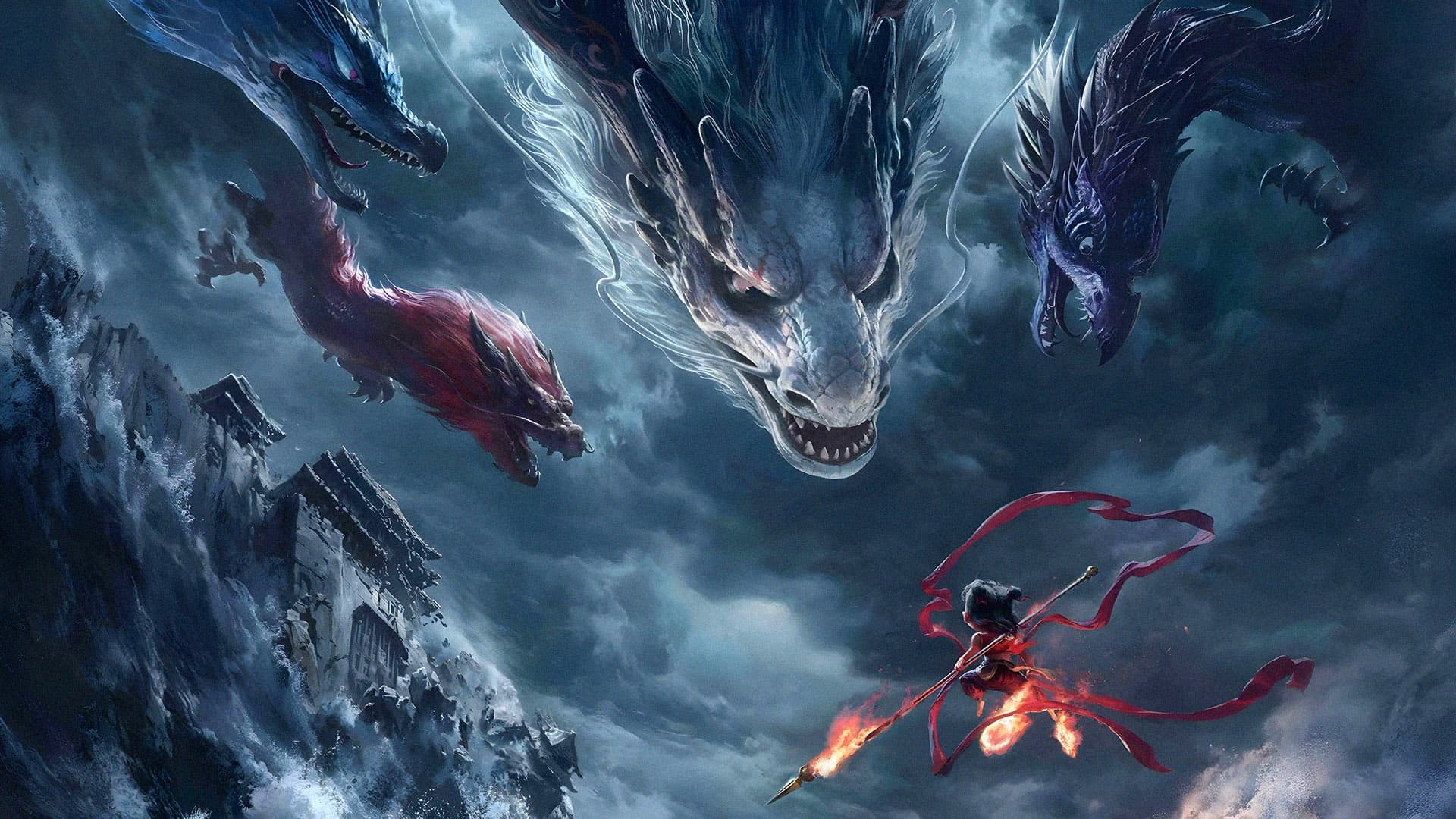
Ne Zha 2 is a fantasy animated film with epic and dark undertones, rooted in classical Chinese mythology. The plot follows the destiny of the young demon Ne Zha who, after saving his village, must face new celestial forces seeking to annihilate demonic beings like himself. The film targets adolescents and adults, despite a visual appearance that may mislead parents about its accessibility to younger children. Violence Violence is the most decisive factor in determining parental guidance for this film. The battles are long, repeated and conducted with real weapons: swords, axes, bows, spears. Several scenes depict blood visibly, notably severed limbs of monsters with blood spray and a character pierced by a lance. The destruction of a village reveals charred and cracked corpses, including those of children. This last image is the most harrowing in the film and constitutes a threshold difficult even for some adolescents. The violence is narratively justified by the systemic injustice suffered by the protagonists, which gives it genuine purpose, but the visual intensity remains sustained and without prolonged respite. Underlying Values The film is structured around a powerful message: no one is condemned by their nature or birth, and each person forges their own destiny despite the dictates of an established order. This affirmation of individual autonomy in the face of oppressive celestial authority is the true engine of the narrative. In parallel, the film explicitly valorises solidarity between marginalised beings and sacrifice for a collective cause. These two axes, individualism and solidarity, do not oppose one another in the film: the hero asserts himself the better to protect others. This is a rare and fruitful narrative balance for discussion. Parental and Family Portrayals The parent-child relationship is at the emotional heart of the narrative. Parental love is represented as unconditional, extending to ultimate sacrifice, and the death of a parent on screen constitutes one of the film's most charged moments. Parental figures are neither absent nor deficient: they embody protection, the gift of a second chance and the value of a love that transcends difference. This treatment is one of the film's strengths but it requires preparation of younger children, particularly sensitive to parental loss. Social Themes The film develops an explicit and readable critique of power systems that crush minorities through divine decree or institutional mandate. Demonic beings are persecuted not for their actions but for what they are, and celestial authorities function as a conservative oligarchy refusing to revise its judgements. This subtext is sufficiently asserted to open serious conversation with an adolescent about the mechanisms of institutional discrimination and collective resistance. Discrimination The film directly questions prejudices linked to origin and nature, and builds its plot on the injustice suffered by beings relegated to the rank of monsters. This is a positive and explicit treatment of discrimination. This message is however slightly short-circuited by occasional jokes playing on physical appearance (body size, stammering, height), which reproduce ordinary stereotypes that the film does not question. These moments are minor but sufficiently present to merit being flagged. Language The English dubbing and Mandarin subtitles contain verbally coarse register: direct insults, profanities and aggressive phrases are present on several occasions. This level of language is not incidental and fits into the film's overall tone, which claims a certain narrative roughness. It is consistent with the classification and confirms that the film is not designed for young children. Sex and Nudity The film contains repeated scenes of comedic nature showing a character urinating with bare buttocks visible, accompanied by jokes about bodily functions. There is no sexual content. This nudity is exclusively scatological and humorous, in the tradition of the burlesque register specific to certain Asian animated films. Strengths Ne Zha 2 offers a narrative density and emotional ambition rare in fantasy animation aimed at adolescents. Classical Chinese mythology is treated here with seriousness and depth, making it a genuine vector for cultural transmission for families of Chinese origin and a sincere gateway for others. The dramatic architecture coherently articulates the hero's personal arc and collective stakes, without sacrificing one for the other. The scenes of parental sacrifice and friendship loyalty reach an authentic emotional intensity, the kind that marks durably and nourishes conversation after the credits roll. Age recommendation and discussion points The film is not recommended before age 12 due to its visual violence, images of children's deaths and the death of a parent on screen. From age 13 onwards, viewing is entirely appropriate for an accompanied adolescent. Two angles of discussion merit being opened after the film: why do the film's authorities prefer to condemn entire beings rather than judge their actions, and what does this recall in the real world; and how far does an individual have the right to refuse the destiny assigned to them, whether by their family, their society or their reputation.
Synopsis
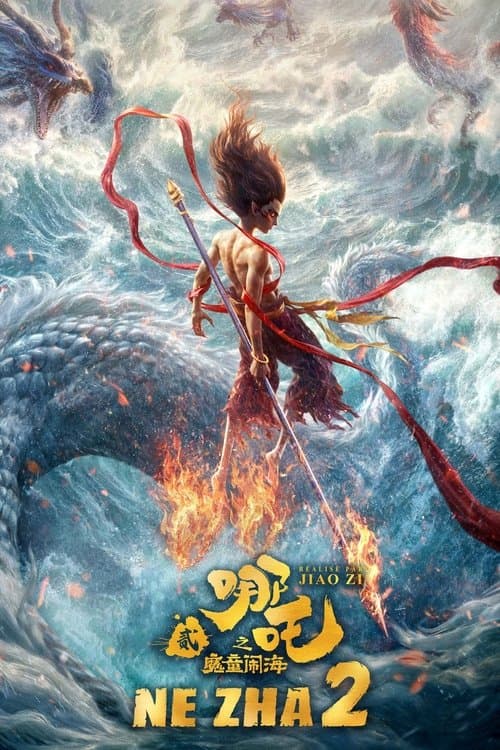
After a catastrophic event leaves their bodies destroyed, Ne Zha and Ao Bing are granted a fragile second chance at life. As tensions rise between the dragon clans and celestial forces, the two must undergo a series of perilous trials that will test their bond, challenge their identities, and decide the fate of both mortals and immortals.
About this title
- Format
- Feature film
- Year
- 2025
- Runtime
- 2h 24m
- Countries
- China
- Original language
- ZH
- Studios
- Chengdu Coco Cartoon, Beijing Enlight Pictures, Beijing Enlight Media, Chengdu Zizai Jingjie Culture Media, Beijing Coloroom Technology
Content barometer
- Violence1/5Mild
- Fear0/5None
- Sexuality0/5None
- Language0/5None
- Narrative complexity2/5Moderate
- Adult themes0/5None
Values conveyed
- friendship
- courage
- sacrifice
- family loyalty
- identity
- resilience
- justice