My Neighbor Totoro
となりのトトロ
Does this age rating seem accurate to you?
Detailed parental analysis
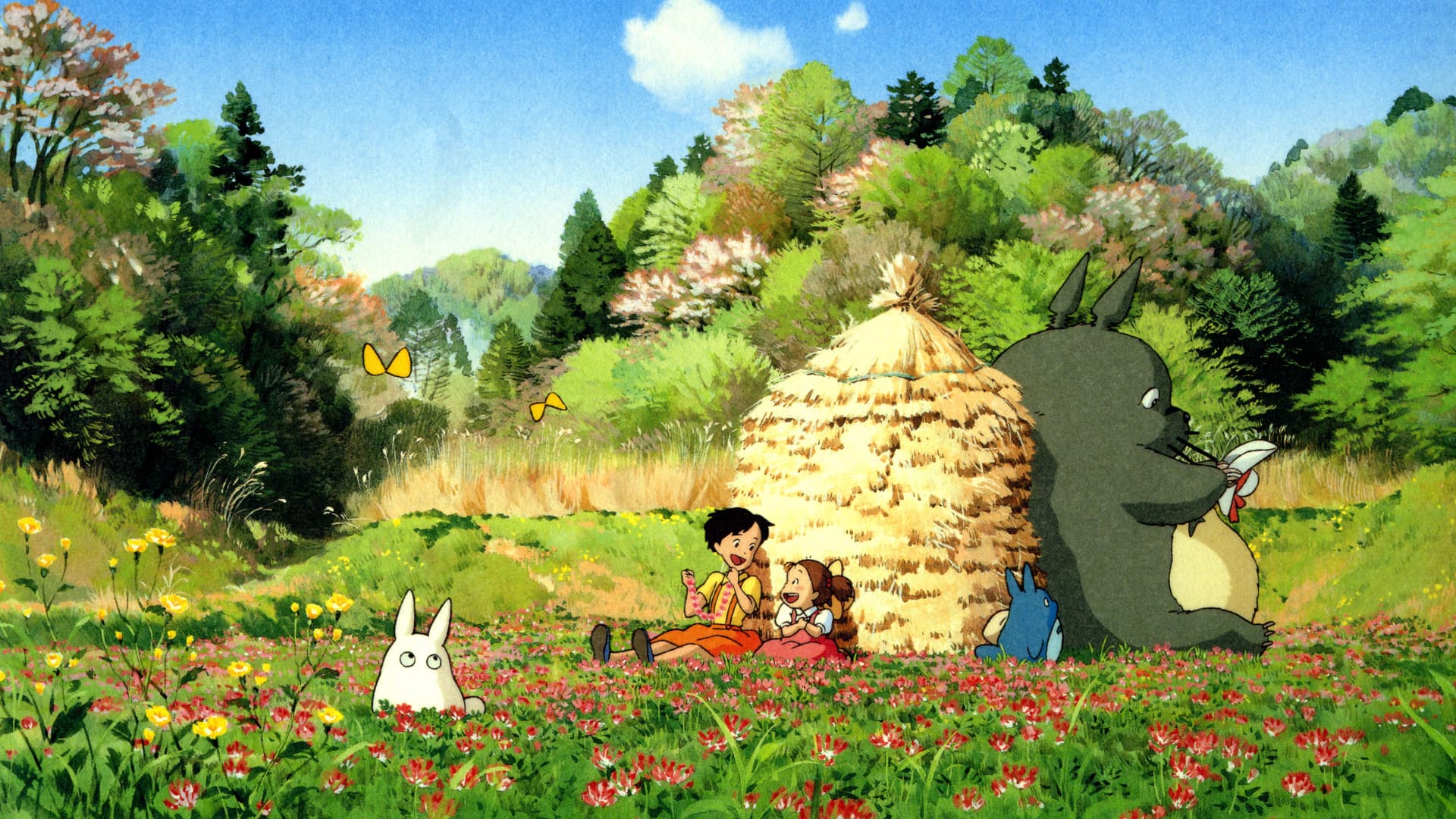
My Neighbour Totoro is a gentle, contemplative adventure film steeped in the warmth and subtle dreamlike atmosphere characteristic of Studio Ghibli productions. The plot follows two sisters who move to the countryside with their father and discover magical creatures in the neighbouring forest, whilst their mother is hospitalised far away. The film is primarily aimed at young children, but its emotional depth makes it a worthwhile experience for the whole family.
Parental and Family Portrayals
The film places parental illness at the heart of its emotional stakes: the mother is hospitalised for an indefinite period, and her recovery remains uncertain throughout the narrative. This situation generates a quiet anxiety in the two sisters, conveyed with rare accuracy for a film intended for young children. The father, by contrast, is a model of balance: present, attentive, kind, he takes his daughters seriously and even shares their relationship with the marvellous. The fear of losing a parent is therefore addressed directly, without being dramatised into trauma, but it is real and should be anticipated for the youngest viewers. A scene shows a neighbour who insults and strikes her son, offering a brief but striking counterpoint to the central family warmth.
Underlying Values
The film is pervaded by an animistic vision of the world, directly inherited from Japanese Shintoism: nature is alive, inhabited by benevolent spirits, and humans are invited to respect it rather than dominate it. This cosmology is never explicitly named or taught; it is simply lived by the characters as an obvious truth. The sisterhood between the two girls constitutes the other structural pillar of the narrative: the elder assumes a protective responsibility without having it imposed upon her, and this solidarity is expressed through concrete actions rather than declarations. Curiosity and the capacity for wonder are presented as strengths, not as naïveties to be corrected.
Social Themes
The relationship with nature and the environment is omnipresent, never descending into activist discourse. The film shows human beings who coexist with living things in an instinctive and respectful manner, which naturally opens discussion about our own relationship with forests, animals and non-urban spaces. This is a solid pedagogical angle, accessible from the youngest age.
Strengths
The film possesses remarkable emotional intelligence for its target audience: it addresses illness, separation anxiety and the fear of death without skirting around them or overloading them, which is a rare narrative achievement in animated cinema for children. The contemplative pace of the story, which allows time for silence and observation, contrasts with the usual visual overexcitation of films for young viewers and naturally develops the capacity for attention. The two heroines are credible, active children with their own inner lives, not mere supporting characters in an adult narrative. Finally, the Japanese cultural dimension, discreet but coherent, constitutes a natural gateway towards a different relationship with the world and nature.
Age recommendation and discussion points
The film is suitable from age 4-5 for children comfortable with animation and accompanied by an adult, with fully relaxed viewing around age 6-7. Younger viewers may be briefly unsettled by the fantastical creatures or by the tension surrounding their mother's illness. After viewing, two conversations are worth opening: how to talk about a loved one's illness without fear, and why the characters treat the forest and its inhabitants with such respect.
Synopsis
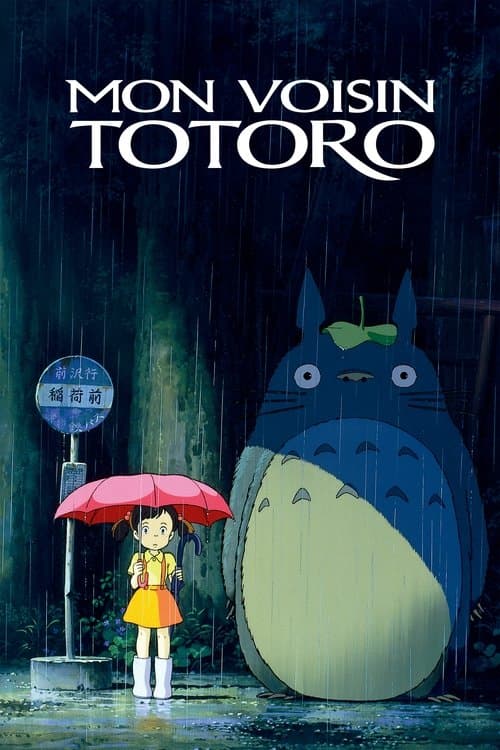
Two sisters move to the country with their father in order to be closer to their hospitalized mother, and discover the surrounding trees are inhabited by Totoros, magical spirits of the forest. When the youngest runs away from home, the older sister seeks help from the spirits to find her.
About this title
- Format
- Feature film
- Year
- 1988
- Runtime
- 1h 27m
- Countries
- Japan
- Original language
- JA
- Studios
- Studio Ghibli, Nibariki, Tokuma Shoten
Content barometer
- Violence1/5Mild
- Fear2/5A few scenes
- Sexuality0/5None
- Language1/5Mild
- Narrative complexity1/5Accessible
- Adult themes0/5None
Watch-outs
- Abuse
Values conveyed
- Courage
- Acceptance of difference
- Compassion
- Autonomy
- family
- imagination
- kindness
- nature