My Little Pony: A New Generation
Does this age rating seem accurate to you?
Detailed parental analysis
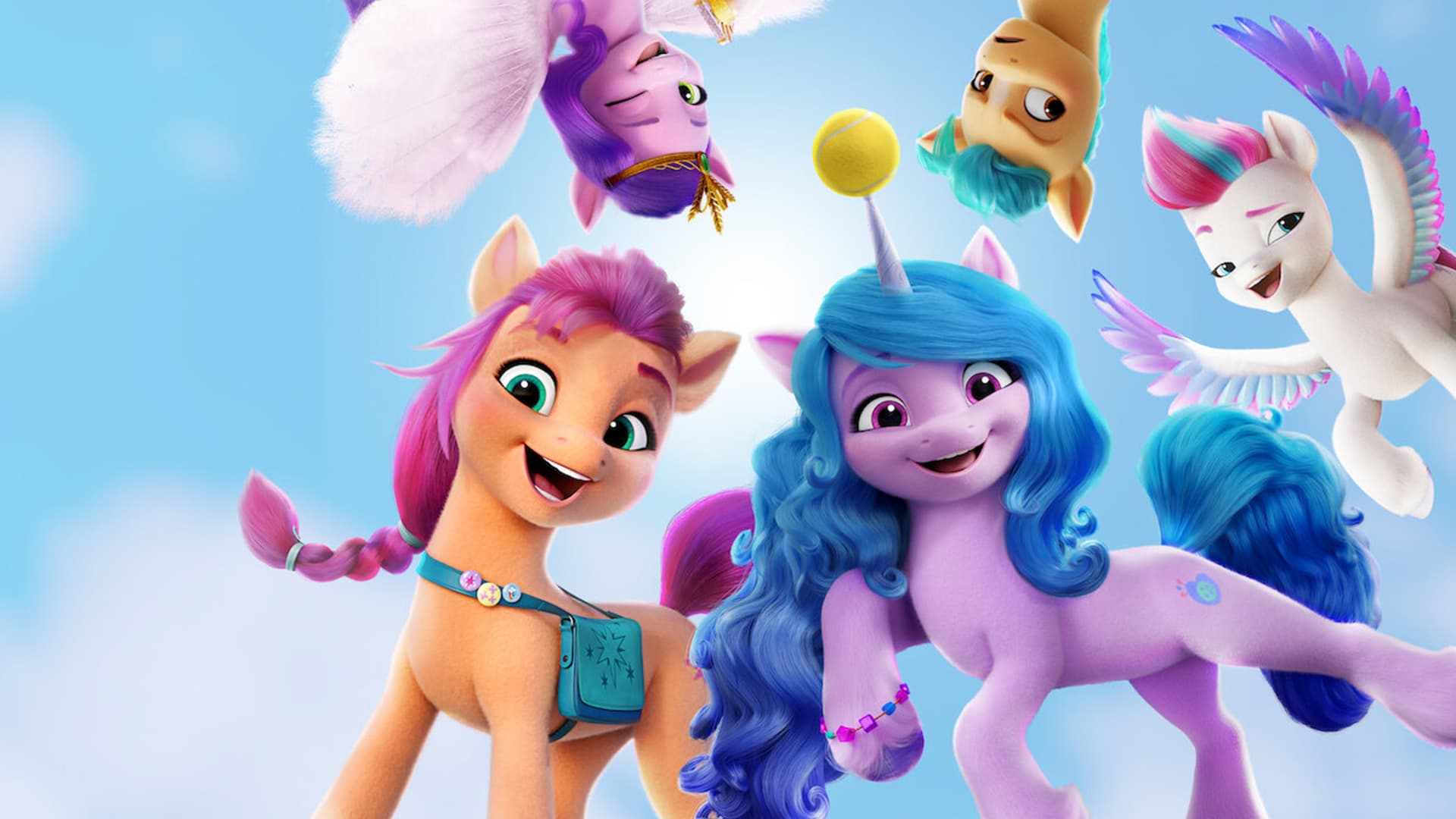
My Little Pony: A New Generation is a family animated film with a colourful and spirited atmosphere, built on a resolutely optimistic tone despite some sequences of tension. The plot follows a young pony convinced that the three tribes once united can rediscover trust and lost magic, in a world where fear of the other has fractured everything. The film primarily targets primary school children, but its subtext on prejudice may interest a slightly older audience.
Discrimination
This is the central nerve of the film. The three pony peoples, once allied, now live separately, fuelled by negative stereotypes of one another: unicorns are presented by surrounding propaganda as beings capable of 'eating brains', pegasi as invaders. The film deliberately constructs an allegory of xenophobia and racism, showing how these false representations are transmitted and how they unravel in contact with reality. The educational value is real: the mechanics of prejudice are made legible to a young child without being oversimplified. This is the starting point for a very concrete conversation about the difference between what is said about others and what they really are.
Underlying Values
The narrative is structured around a strong and repeated idea: fear is the true enemy, not the other tribes. The heroine embodies the legacy of a father who passed this conviction to her, and the film follows her trajectory to triumph openness over collective distrust. Friendship is not presented as a naive feeling but as an active choice that demands taking risks. Conformism is clearly identified as an obstacle to the common good, and the main character assumes her marginality within her community before eventually being recognised by it.
Violence
Violence remains within the bounds of mainstream family cinema, but a few sequences merit anticipation. A military robot attacks defenceless ponies, characters come close to falling from heights, a building collapses with characters inside. These moments are brief and show no grave consequences on screen, but their intensity can startle younger or more sensitive children. The fear these scenes may provoke is the main stake, not the violence itself.
Parental and Family Portrayals
The heroine's father has died before the film begins, and his passing is evoked from the opening scene. He remains nonetheless a structuring presence through his teachings and the objects he left her. This absent but idealised paternal figure is the emotional engine of the narrative. The absence is not treated in the register of heavy grief, but it is well present and may resonate differently depending on the family situation of child viewers.
Language
The language contains a few slightly informal expressions, notably 'stupid' and an expression along the lines of 'kick their backsides'. Nothing that exceeds what is commonly found in productions of this category, but it is worth noting for parents who monitor the vocabulary their young children easily pick up.
Strengths
The film succeeds in making accessible to a very young audience a complex social mechanism, that of propaganda founded on fear, without ever lapsing into abstraction or cold instruction. The writing of the main character is solid: she is not infallible, she suffers setbacks, and her determination rests on a credible emotional legacy rather than on a simple innate gift. The pace is maintained, comic breaks are well measured, and the songs fulfil their narrative function without weighing down the matter. For a primary school child, this is a film that offers a fairly refined interpretive framework of the social world.
Age recommendation and discussion points
The film is suitable from age 5 onwards, with parental presence recommended for the youngest in the face of tension sequences. From age 6 or 7, independent viewing is entirely straightforward. Two discussion angles to explore after the film: ask the child to identify a moment when a character was afraid of the other without good reason, and ask them whether they themselves have ever heard something false said about someone 'because they are different'.
Synopsis
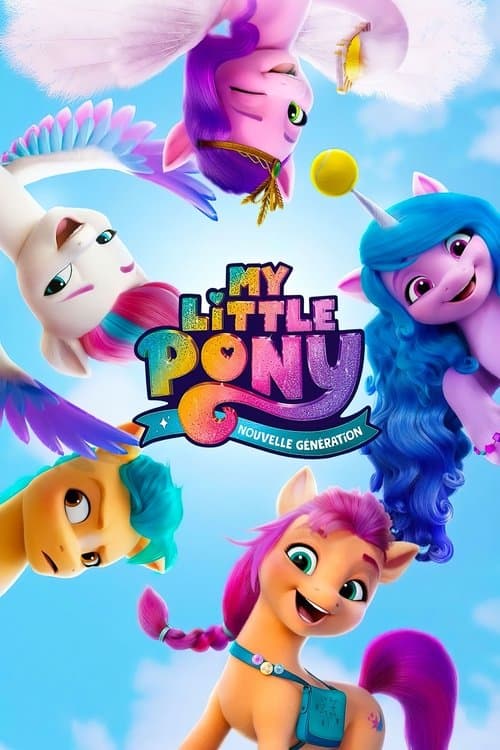
Equestria's divided. But a bright-eyed hero believes Earth Ponies, Pegasi and Unicorns should be pals — and, hoof to heart, she’s determined to prove it.
About this title
- Format
- Feature film
- Year
- 2021
- Runtime
- 1h 30m
- Countries
- Canada, Ireland
- Original language
- EN
- Directed by
- José Luis Ucha, Robert Cullen
- Main cast
- Vanessa Hudgens, Kimiko Glenn, James Marsden, Sofia Carson, Liza Koshy, Ken Jeong, Elizabeth Perkins, Jane Krakowski, Phil LaMarr, Michael McKean
- Studios
- Boulder Media, Entertainment One
Content barometer
- Violence2/5Moderate
- Fear2/5A few scenes
- Sexuality0/5None
- Language1/5Mild
- Narrative complexity1/5Accessible
- Adult themes0/5None
Watch-outs
- Grief
- Death / grief
Values conveyed
- Courage
- Friendship
- Acceptance of difference
- Perseverance
- Autonomy
- tolerance
- teamwork