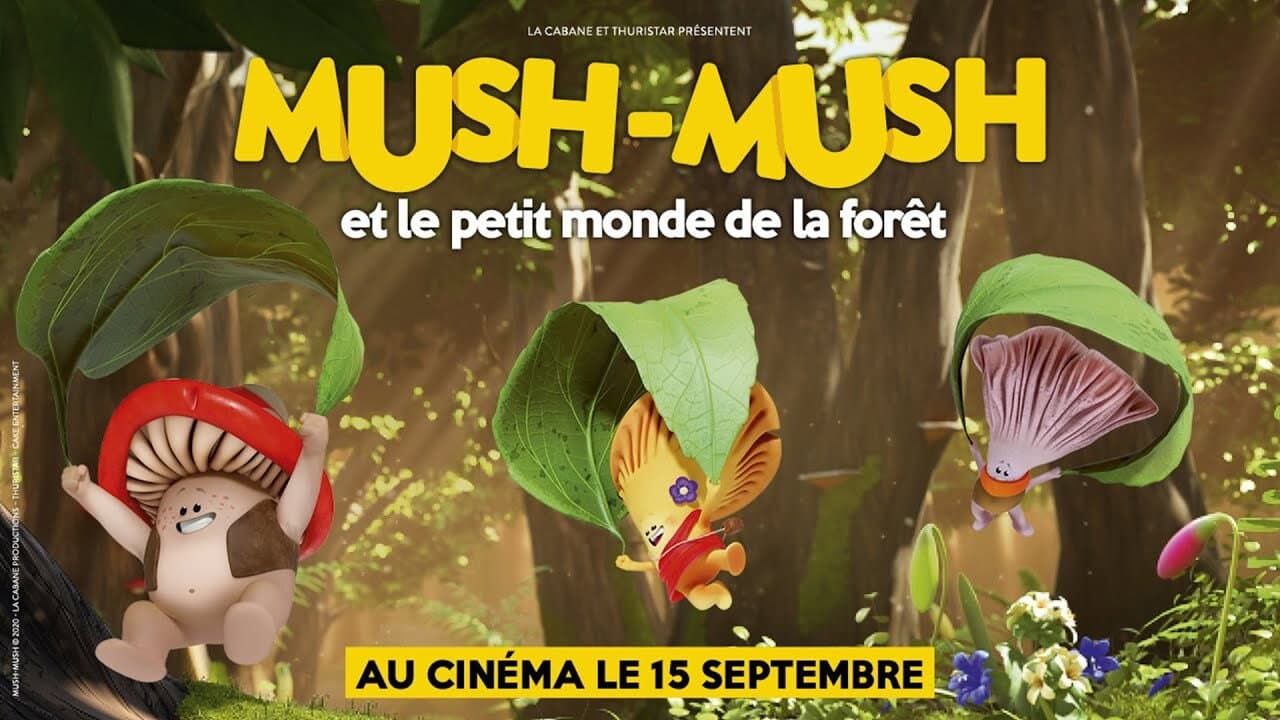
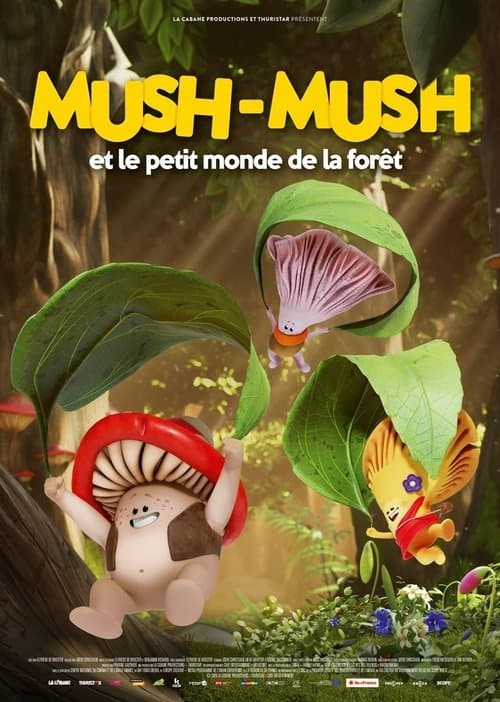
Mush-Mush et le petit monde de la forêt
Does this age rating seem accurate to you?
Detailed parental analysis
Mush-Mush and the Mushroom Forest is an animated series adapted into film format, with a warm and adventurous atmosphere, punctuated by a few more unsettling nocturnal scenes. The story follows Mush-Mush and his friends, young creatures living in a miniature forest who face natural challenges that teach them how everything is interconnected within the ecosystem. The film is clearly aimed at kindergarten and early primary school children, with accessible narration and a rhythm built on short episodes.
Underlying Values
The film builds its narrative around two complementary and well-articulated moral axes. On one hand, mutual support and solidarity between the main characters are the systematic response to obstacles encountered. On the other, the film conveys an ethic of making amends: when mischief is committed, it carries a concrete responsibility to put things right. The autonomy of children is valued, since the characters manage without adults, but the narrative takes care to show that Mush-Mush's impulsiveness has consequences and that heeding warnings is a form of intelligence. This dual message avoids the pitfall of oversimplified morality.
Social Themes
Ecology is a structuring theme, not merely decorative. The film concretely illustrates the idea that elements of an ecosystem are interdependent and that clumsy intervention can trigger chain imbalances. This message is made accessible to very young children through action and directly visible consequences within the narrative, without heavy-handed pedagogy.
Violence
Danger situations are genuinely present: threatening carnivorous plants, a snake with red eyes emerging at night, a frog capable of swallowing a character, falls from height. These sequences generate tension and serve a real narrative function, but they are neither graphic nor violent in the proper sense. The intensity remains calibrated for the intended age group. A particularly sensitive or younger child (under 4 years old) could be momentarily frightened, notably by nocturnal scenes with sudden appearances.
Parental and Family Portrayals
The main characters develop without a visible parental figure, which is the customary engine of adventure narratives for children. This absence is not dramatised or commented upon: it is simply the framework that enables the protagonists' autonomy. For very young children, this can open a natural discussion about what one does when faced alone with a problem.
Discrimination
Mush-Mush presents a main character with an overweight body, treated with benevolent neutrality and never stigmatised. His build is neither a source of mockery nor subject to particular comment, which constitutes a positive and non-condescending representation.
Strengths
The film succeeds in making ecological teaching about natural balances concrete and tangible, without ever slipping into applied lessons. The structure in short episodes is well suited to young children's attention span and allows for sustained pacing. The humour embedded in the writing works on two levels, making parent-child shared viewing genuinely enjoyable. The characterisation of Mush-Mush, impulsive yet endearing, offers a protagonist with whom children can identify without him being perfect, which gives the narrative real learning momentum.
Age recommendation and discussion points
The film is suitable from age 4 onwards, with particular attention for more sensitive children aged 4 to 5 faced with a few nocturnal sequences. Two discussion angles to explore after viewing: ask the child what Mush-Mush could have done differently when he misbehaved, and explore together how, in real nature or in their own lives, an action can have unexpected consequences for others.
About this title
- Format
- Short film
- Year
- 2021
- Runtime
- 44m
- Original language
- FR
Content barometer
- Violence1/5Mild
- Fear2/5A few scenes
- Sexuality0/5None
- Language0/5None
- Narrative complexity0/5Simple
- Adult themes0/5None
Values conveyed
- Courage
- Friendship
- Acceptance of difference
- Perseverance
- Autonomy
- teamwork
- nature
- curiosity