Mune: Guardian of the Moon
Does this age rating seem accurate to you?
Detailed parental analysis
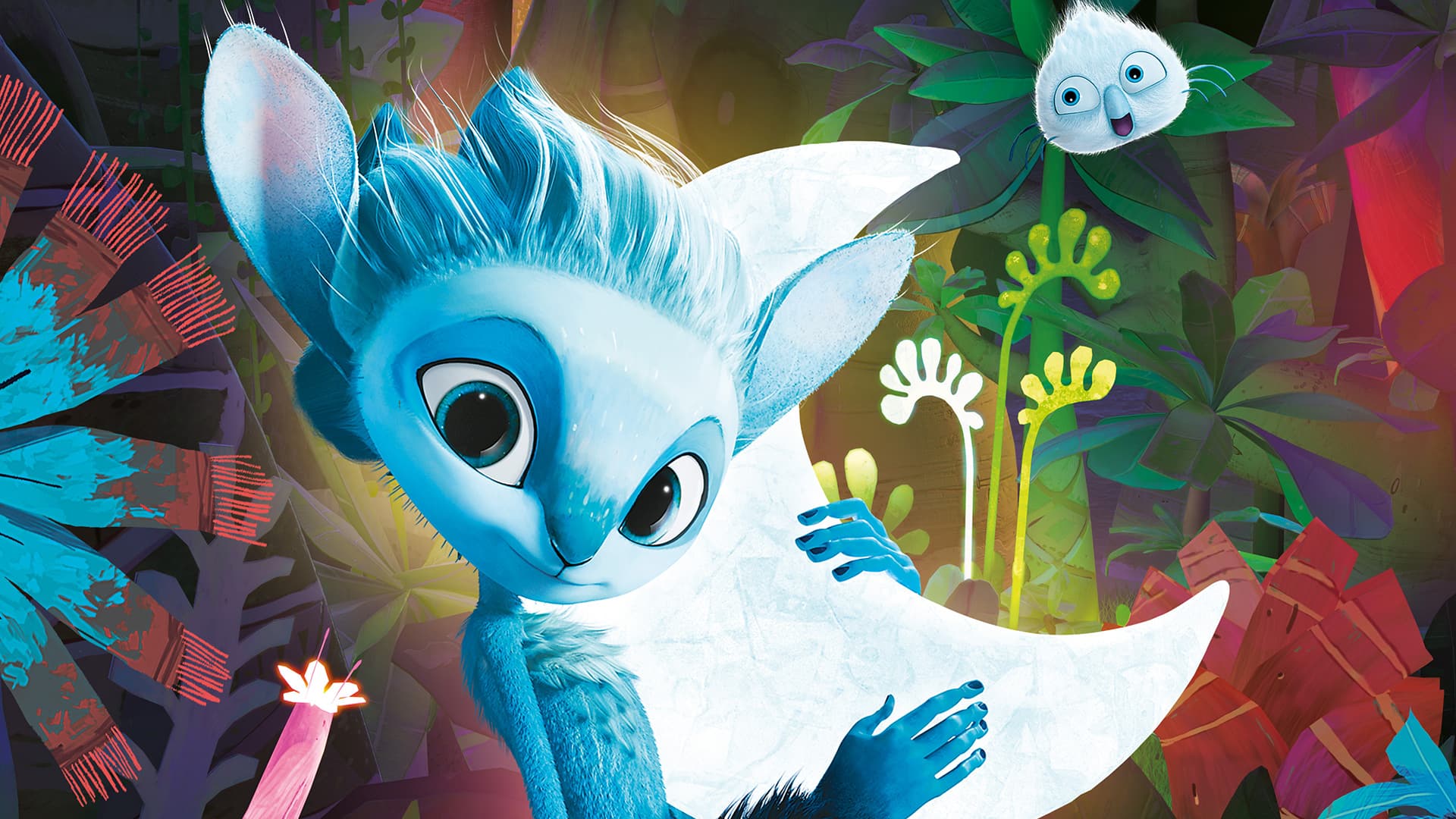
Mune, the Guardian of the Moon is a fantasy animated film with an atmosphere that is both poetic and sometimes unsettling, oscillating between wonder and tension. The plot follows an unlikely young being, designated against his will as guardian of the moon, who must face a formidable villain to restore balance between day and night. The film is primarily aimed at children from 7 years old, with a visual and thematic sensibility that can also appeal to adults.
Underlying Values
The narrative is structured around a strong message about balance between opposing forces, responsibility assumed despite doubt, and the value of cooperation in the face of adversity. The film consistently shows that exclusion and contempt fuel resentment and violence, offering a nuanced reading of the villain: Necross is not simply evil, he is the product of injustice. This dimension opens a useful conversation about the origins of wickedness and the possibility of compassion. The film also values self-acceptance in the face of doubt and contested legitimacy, which resonates particularly for children who feel out of place.
Violence
Violence remains within the codes of family animation, but it is present and sometimes intense. The villain Necross is physically imposing and threatening, his crushing fists and serpents constitute frankly frightening images for the youngest viewers. A scene of underwater capture by a tentacled creature can provoke genuine fear. These moments are narratively justified and never venture into gore, but their anxiety-inducing charge is real. For a sensitive child under 7 years old, these sequences can leave an impression.
Discrimination
The treatment of the main female character poses a concrete problem: she is regularly addressed with condescending or flattering terms with reductive connotations, such as 'doll', 'dear' or 'pretty girl'. This register is carried by secondary characters and is not explicitly condemned by the narrative. The film partially nuances this pattern by showing the character as capable and decisive in resolving the plot, but the repetition of sexist language remains a point to raise with a child, particularly to prevent these formulas from being accepted as normal.
Language
The film uses a familiar register with a few mild insults: 'idiot', 'cretin', 'stupid' and their equivalents in the original version. These terms are common in playgrounds and do not constitute a major problem, but their repeated presence deserves to be noted, particularly if the parent wishes to discuss respect in communication.
Parental and Family Portrayals
The film directly addresses the tension between excessive parental protection and the need for autonomy in young people. A character is kept under a stifling guardianship that prevents him from growing and taking risks. The narrative clearly takes a position in favour of freedom and lived experience as a condition for maturity. This is an interesting angle of discussion to open with a child or pre-adolescent.
Strengths
The film builds an original and coherent visual universe, with an artistic direction that gives real personality to each world represented. The narration is well-paced for its target audience, with a readable emotional progression and characters whose motivations are sufficiently developed to avoid flat manichaeism. The figure of the villain, rooted in a story of injustice and rejection, goes beyond the simple role of stock villain and offers rare depth in the genre. The film manages to address serious themes, such as legitimacy, responsibility and compassion, without ever weighing down the narrative at the expense of narrative pleasure.
Age recommendation and discussion points
The film is suitable from 7 years old, with caution for children sensitive to threatening figures before that age. Two angles of discussion are worth opening after viewing: why did Necross become evil, and does that change the way we judge him? And also: do the ways in which certain characters speak to the young girl in the film seem normal to you or not?
Synopsis
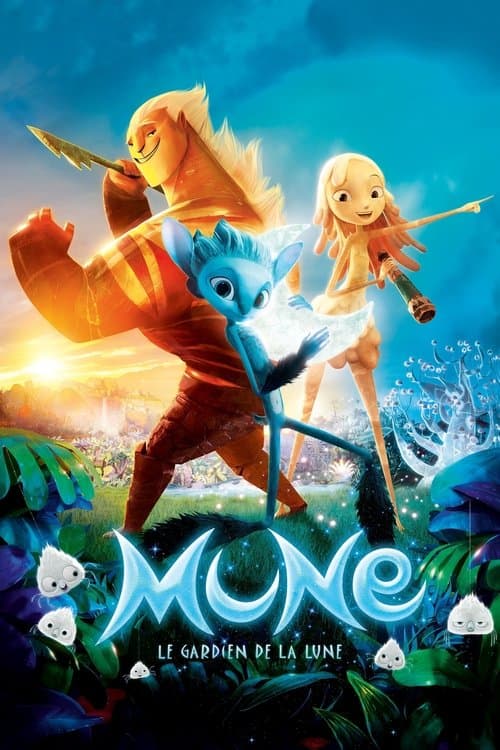
When a faun named Mune becomes the Guardian of the Moon, little did he had unprepared experience with the Moon and an accident that could put both the Moon and the Sun in danger, including a corrupt titan named Necross who wants the Sun for himself and placing the balance of night and day in great peril. Now with the help of a wax-child named Glim and the warrior, Sohone who also became the Sun Guardian, they go out on an exciting journey to get the Sun back and restore the Moon to their rightful place in the sky.
About this title
- Format
- Feature film
- Year
- 2015
- Runtime
- 1h 25m
- Countries
- France, Canada
- Original language
- FR
- Directed by
- Alexandre Heboyan, Benoît Philippon
- Main cast
- Michaël Grégorio, Omar Sy, Izïa Higelin, Féodor Atkine, Éric Herson-Macarel, Michel Mella, Fabrice Josso, Patrick Poivey, Jean-Claude Donda, Benoît Allemane
- Studios
- Kinology, Orange Studio, ON Animation Studios
Content barometer
- Violence2/5Moderate
- Fear3/5Notable tension
- Sexuality1/5Allusions
- Language2/5Moderate
- Narrative complexity1/5Accessible
- Adult themes0/5None
Watch-outs
- Death
- Gender stereotypes
Values conveyed
- Courage
- Friendship
- Acceptance of difference
- Perseverance
- Compassion
- Autonomy
- responsibility
- self-surpassing
- self-confidence
- solidarity
- sacrifice