
Mufasa: The Lion King
Does this age rating seem accurate to you?
Detailed parental analysis
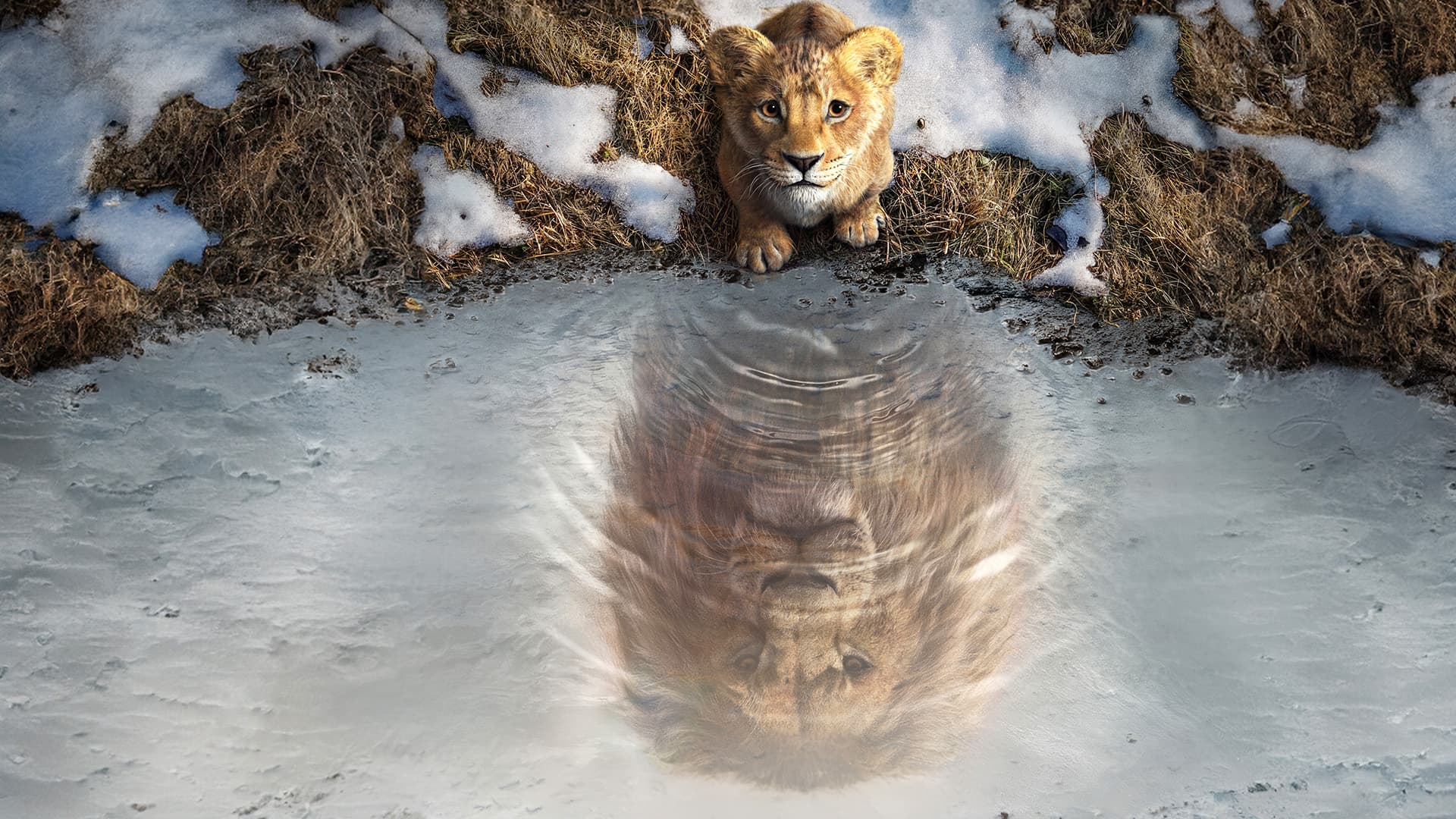
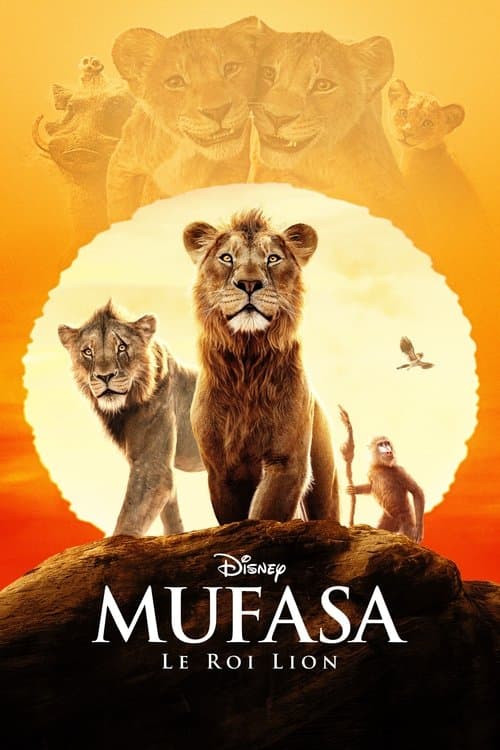
Mufasa: The Lion King is a prequel with a dark, epic atmosphere, carried by sequences of intense peril and an emotional tone heavier than might be expected for a film bearing the Disney family label. The plot traces Mufasa's childhood, an orphan separated from his parents by a natural disaster, who must survive alone before finding a new family and becoming the legendary king we know. The film is theoretically aimed at children from eight years old, but its realistic treatment of death, grief and animal violence makes it more suited to viewers from ten years old.
Violence
Violence is the most determining factor in assessing the film's suitability for a child's age. The confrontations between lions are frequent, intense and physically realistic: bites, scratches, throws to the ground. The final battle depicts a full-scale confrontation with visible injuries and on-screen death. Lions die in the background throughout the narrative, and one character is crushed during a collapse. Added to this are sequences of natural peril that are particularly anxiety-inducing: a violent flood that separates a lion cub from his parents, a dam explosion, a crocodile attack. The photorealistic animation amplifies the impact of these moments, as it deprives the young viewer of the aesthetic distance that a more stylised or drawn style would offer. The violence has a clear narrative purpose and is not gratuitous, but its cumulative intensity is sustained.
Parental and Family Portrayals
The film explicitly constructs its narrative around two opposing parental models. On one side, the adoptive family that takes in Mufasa embodies benevolence, transmission and chosen love. On the other, the biological father of the antagonistic lion rejects his own adopted son and threatens him physically, illustrating a toxic parental figure whose dramatic consequences structure the entire plot. The traumatic separation of Mufasa from his biological parents at the film's opening is treated with strong emotional intensity, and the theme of abandonment runs throughout the narrative. These representations are rich to discuss with a child, precisely because they do not reduce to simple Manichaeism.
Underlying Values
The film defends a meritocratic vision of power: Mufasa becomes king neither by right of birth nor by brute force, but through his actions and the respect he inspires. This stance is coherent and well constructed narratively. Cooperation is valued as a force superior to individual domination, and the fact that Mufasa learns hunting skills from the lionesses, traditionally feminine competencies, is integrated without condescension as a vector of stronger leadership. The theme of vengeance is present but treated as an engine of destruction for the antagonist, not as a legitimate path. Chosen family is posed as real and solid as biological family.
Social Themes
The film sensitively works the theme of exile and integration: Mufasa is a stranger without territory or family who must earn his place in a group that does not resemble him. Without ever forcing the analogy, the narrative explores what it means to be accepted, rejected or excluded because of one's different origin. The antagonist, a white lion leading a conquering pack, embodies a form of territorial violence and racial exclusion that gives the film an unusual thematic depth for the genre.
Strengths
The film succeeds in building a coherent mythology around a character whose fate we already knew, which is a real narrative challenge. The nested narrative structure, with Rafiki recounting the story to the next generation, offers a beautiful mise en abyme of oral transmission and the role of founding narratives. The themes of blended family and earned merit are treated with sufficient depth to nourish a serious conversation after viewing. The film is moreover honest in its representation of death and grief, without sweetening them to the point of draining them of meaning, which gives it an emotional solidity that many productions for young audiences avoid through excessive caution.
Age recommendation and discussion points
The film is not recommended for children under eight years old due to its sequences of intense peril and realistic death, and is best watched from ten years old onwards, especially for children sensitive to themes of abandonment or violent imagery. After viewing, two angles are worth discussing: why does Mufasa deserve to be king when he was not born into the right family, and what does that say about what truly makes a leader? And also: how can the family one chooses be as real as the one one is born into?
Synopsis
Mufasa, a cub lost and alone, meets a sympathetic lion named Taka, the heir to a royal bloodline. The chance meeting sets in motion an expansive journey of a group of misfits searching for their destiny.
About this title
- Format
- Feature film
- Year
- 2024
- Runtime
- 1h 58m
- Countries
- United States of America
- Original language
- EN
- Studios
- Walt Disney Pictures
Content barometer
- Violence3/5Notable
- Fear4/5Intense
- Sexuality0/5None
- Language0/5None
- Narrative complexity2/5Moderate
- Adult themes0/5None
Values conveyed
- Courage
- Forgiveness
- friendship
- resilience
- teamwork