Monster House
Does this age rating seem accurate to you?
Detailed parental analysis
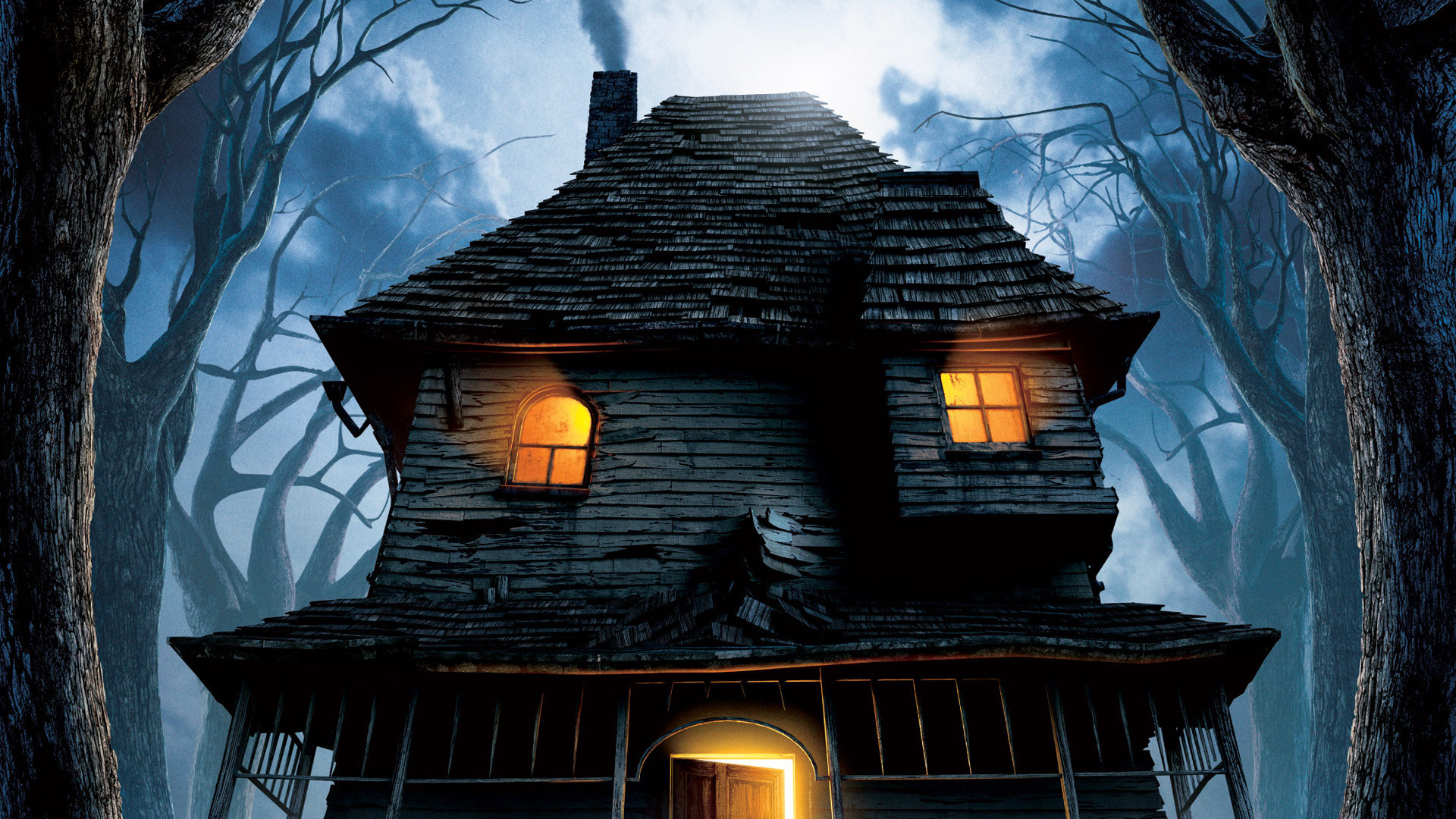
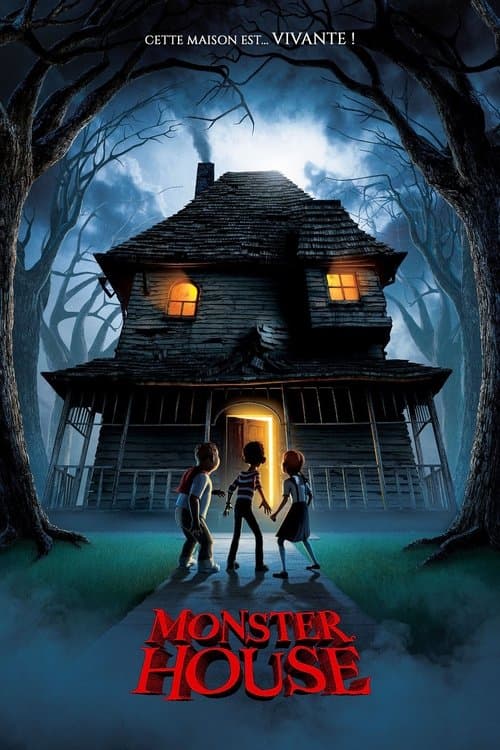
Monster House is a horror-comedy animation film with a resolutely dark and anxiety-inducing atmosphere, unusually intense for mainstream animated entertainment. The plot follows a young boy convinced that his neighbour's house is a living and malevolent creature, leading his friends into a nocturnal adventure to neutralise the threat. Despite its animated packaging, the film is not aimed at young children: it targets a pre-teenage and teenage audience capable of processing a frankly frightening atmosphere.
Violence
Violence is at the heart of the final twenty minutes of the film and constitutes its most difficult peak for a young audience to handle. The animated house pursues, captures and literally swallows adult characters, including two police officers engulfed alive before the viewer's eyes. These sequences are prolonged, sustained in their intensity and clearly designed to provoke a sense of terror. Narrative purpose exists: the task is to confront and destroy a monstrous entity. Yet this justification is insufficient to lessen the raw emotional impact on a child under ten years old, and several parents report nightmares triggered by these scenes in their children.
Parental and Family Portrayals
The film depicts adults in a systematically negative manner, which constitutes a genuine narrative choice. The protagonist's parents are absent and inattentive, the babysitter is selfish and irresponsible, the police officers are presented as incompetent and ridiculous. This representation is never questioned or nuanced within the narrative: it serves to justify the complete autonomy of the children, positioned as the only ones capable of taking action. For a pre-adolescent child, this framework implicitly reinforces the idea that adults merit neither trust nor authority.
Discrimination
The black police officer character is systematically presented as the most stupid and incompetent of all the adults in the film. This characterisation is not an incidental detail but a recurring comic device, visibly associating the character's ethnic background with his status as a figure of ridicule. It is worth discussing explicitly with a child or adolescent, not to burden the viewing experience, but because this type of stereotype often passes unnoticed precisely because it is dressed up as humour.
Underlying Values
The film defends a sincere central value: not judging a being by their appearance and seeking to understand the hidden suffering behind hostile behaviour. This idea is carried with a certain emotional depth in the story's resolution. It is however undermined by the means the heroic children use without the film condemning them: breaking and entering, theft of medication, repeated lies to adults. The mutual aid and courage of the trio of protagonists are real values and well embodied, but the overall message about what justifies disobeying remains unclear and never explicitly developed.
Language
The language is crudely vulgar at times for a film aimed at a young audience. Coarse expressions and swearing are placed in the mouths of children without narrative distance, which stands out against the usual register of family animation cinema. It is not omnipresent, but it is pronounced enough to surprise parents who are not expecting it.
Substances
An adult consumes beer on screen, and one of the children attempts to misuse cough syrup. These elements are not at the heart of the narrative, but their presence in an animated film merits being noted, particularly because they are accompanied by an overall benevolent or comic representation of deviant behaviour in both adults and children.
Strengths
The film possesses a genuine emotional ambition: the revelation of the haunted house's origin is carefully constructed and leads to a tragic interpretation, one of buried pain transmitted as a threat. This idea, that of trauma transformed into monster, carries real psychological depth and can open a rich conversation with a pre-adolescent on empathy and invisible suffering. The staging of anxiety is effective and narratively coherent: fear is not gratuitous but constructed. The friendship between the three children is treated with naturalness, without excessive sentimentality.
Age recommendation and discussion points
The film is firmly not recommended before age 10, and is suitable from age 12 onwards. Between 10 and 12 years, the decision depends on the child's sensitivity to anxious atmospheres and prolonged scenes of violence. Two angles are worth discussing after viewing: what the film says about how unresolved suffering can become dangerous to others, and why it is problematic to laugh systematically at a character because of what he represents.
Synopsis
Monsters under the bed are scary enough, but what happens when an entire house is out to get you? Three teens aim to find out when they go up against a decrepit neighboring home and unlock its frightening secrets.
About this title
- Format
- Feature film
- Year
- 2006
- Runtime
- 1h 31m
- Countries
- United States of America
- Original language
- EN
- Studios
- ImageMovers, Amblin Entertainment
Content barometer
- Violence4/5Strong
- Fear4/5Intense
- Sexuality0/5None
- Language3/5Notable
- Narrative complexity1/5Accessible
- Adult themes2/5Present
Watch-outs
- Grief
- Alcohol
- Strong language
- Ethnic or racial stereotypes
- Death / grief
- Abuse
Values conveyed
- Courage
- Friendship
- Acceptance of difference
- teamwork
- loyalty