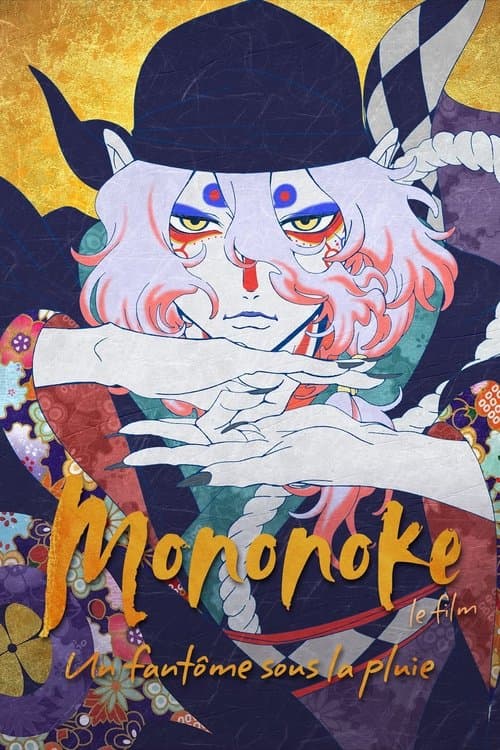
Mononoke the Movie: The Phantom in the Rain
劇場版モノノ怪 唐傘
Does this age rating seem accurate to you?
Detailed parental analysis
Mononoke, the Film: A Ghost in the Rain is a work of Japanese animation with a dense, visually captivating and enchanting atmosphere, immersed in a feudal Japan suffused with the supernatural and mystery. The plot follows a mysterious apothecary endowed with the power to track down and exorcise malevolent spirits, confronted this time with an entity haunting a palace of concubines. The film is addressed first and foremost to an adolescent and adult audience, ideally already familiar with the animated series from 2007 from which it originates.
Discrimination
The narrative structure places all the women of the palace in the position of concubines, explicitly defined as the property of a prince. The film does not present this reality as an ideal to imitate: it makes it the breeding ground for the characters' suffering and the driving force behind their desire for redemption. This gender hierarchy is therefore more a subject of critical exploration than a valorisation. It remains important to anticipate this conversation with a young viewer, as the representation is ubiquitous and women exist in this narrative only in relation to their subordination to male authority. This is a genuine pedagogical angle, provided it is addressed explicitly.
Sex and Nudity
The film contains several elements of a sexual nature, measured but present. Two characters undress before entering a room, nudity being suggested rather than explicit. Paintings depict women bare-chested, and one scene shows a man and woman naked together. The context is more pictorial and atmospheric than erotic, but the repetition of these elements within a concubinage setting gives the whole a sexually charged colouration. This content is clearly unsuitable for children and must be carefully contextualised for young adolescents.
Violence
Violence is present in a supernatural and stylised manner: bodies fall into chasms, characters wither grotesquely under the effects of magical phenomena, and frightening images appear in flashes. These sequences are not graphic in a clinical sense, but their visual treatment is deliberately unsettling and can generate genuine distress. The violence is not gratuitous: it is inseparable from the logic of exorcism and confronting evil that structures the narrative. This does not diminish its impact for a young or sensitive viewer.
Underlying Values
The film carries serious underlying themes: friendship and solidarity between women within a system that oppresses them, loss, and the possibility of a form of collective salvation. The relationship between the two female protagonists is the true emotional engine of the narrative. Implicitly, the film questions the way power structures grind down individuals and how resistance, even when silent, can exist. This foundation of values is substantial and deserves to be brought to light with an adolescent capable of engaging with it.
Language
The verbal register includes terms such as 'old witch' or 'harlot', used by men to designate women. These words are inscribed within the logic of female devaluation that the film portrays, and not within a banal normalisation of insult. They can nevertheless be startling and merit being flagged as a reflection of historical reality and not as a model of language.
Strengths
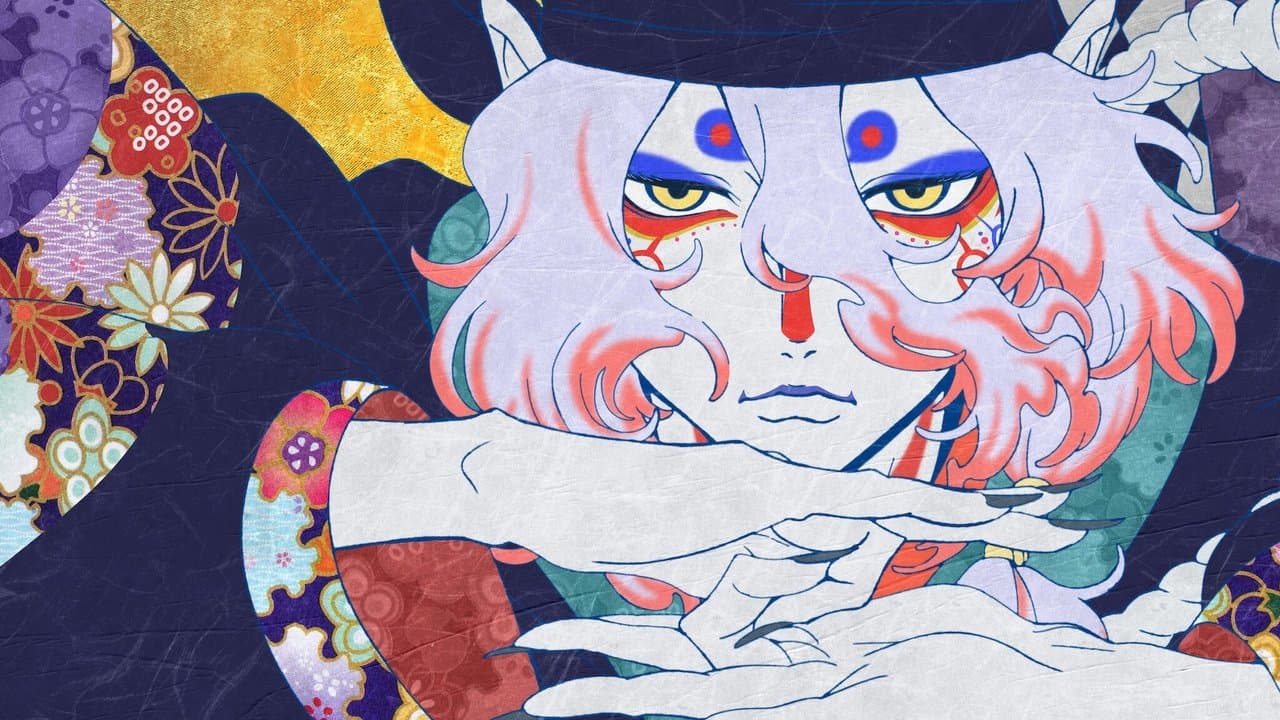
The film is visually sumptuous, with artistic direction of rare richness in contemporary animation: saturated colour palettes, compositions that evoke Japanese prints, editing that privileges sensory impression over narrative clarity. This formal rigour is genuine, even if it may disconcert or weary a viewer unaccustomed to the contemplative pace and ellipses of the genre. The film addresses with genuine substance the themes of female suffering, solidarity and redemption within a patriarchal framework, which makes it an object of cultural and social reflection richer than it may appear at first glance. For a mature adolescent, it is also an introduction to the aesthetics of classical Japanese fantasy and its manner of treating evil, death and moral resolution.
Age recommendation and discussion points
This film is not suitable before age 14, and a serene and rewarding viewing experience is better situated at age 16, the age at which an adolescent can grasp the narrative complexity, the representations of women's status and the disturbing images without simply being overwhelmed by them. Two angles of discussion impose themselves after viewing: why are all the women in this narrative defined by their belonging to a man, and what does the film say of their capacity to exist otherwise? And also: how can the extreme visual beauty of a film coexist with such dark subjects, and what does this do to the way we receive them?
Synopsis
In the chambers of the Edo harem, two newcomers uncover political intrigue, rivalry and a vengeful spirit only one traveling medicine seller can vanquish.
About this title
- Format
- Feature film
- Year
- 2024
- Runtime
- 1h 30m
- Countries
- Japan
- Original language
- JA
- Directed by
- Kenji Nakamura
- Main cast
- Hiroshi Kamiya, Tomoyo Kurosawa, Aoi Yuuki, Kana Hanazawa, Mami Koyama, Haruka Tomatsu, Yoko Hikasa, Yuhko Kaida, Yukana, Yuki Kaji
- Studios
- EOTA, Twin Engine, 01douga
Content barometer
- Violence3/5Notable
- Fear4/5Intense
- Sexuality3/5Moderate
- Language2/5Moderate
- Narrative complexity1/5Accessible
- Adult themes0/5None
Watch-outs
- Death
- Gender stereotypes
- Sexuality
- Violence
Values conveyed
- Friendship
- Compassion
- courage
- insight
- justice