My Neighbor Totoro
となりのトトロ
My Neighbor Totoro
となりのトトロ
Your feedback improves this guide
Your feedback highlights guides that need a second look and keeps the rating trustworthy.
Does this age rating seem accurate to you?
Sign in to vote
Watch-outs
What this film brings
Content barometer
Violence
0/5
None
Fear
1/5
Mild
Sexuality
0/5
None
Language
0/5
None
Narrative complexity
1/5
Accessible
Adult themes
0/5
None
Expert review
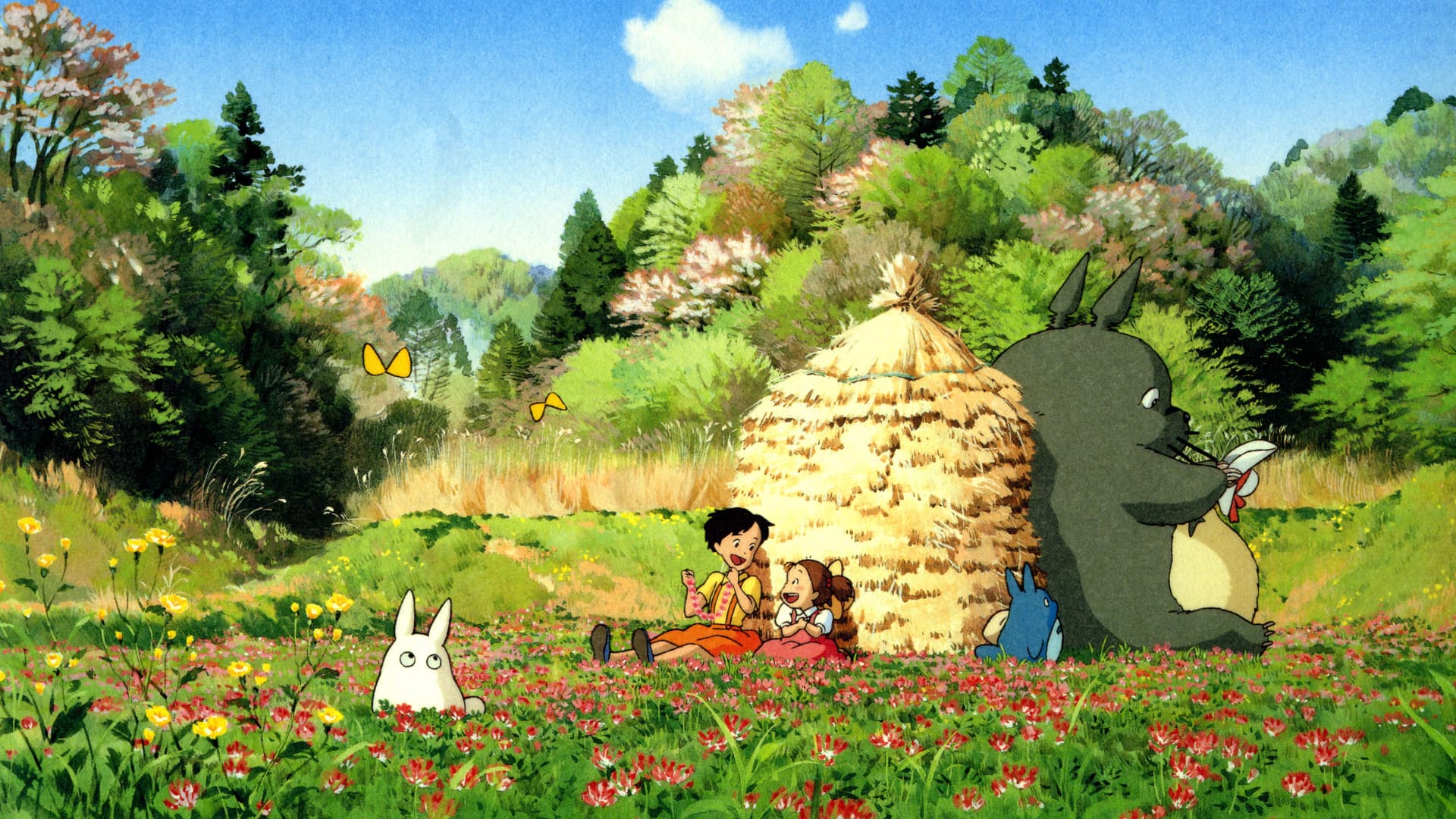
My Neighbor Totoro is a very gentle, reflective, and magical family film about two sisters exploring the Japanese countryside and meeting forest spirits while their mother is in the hospital. The main sensitive elements are mild unease around an old supposedly haunted house, a few strange creatures appearing in dark spaces, and child level anxiety connected to a parent's illness and a young girl briefly going missing. The intensity stays low throughout, with no real violence, no sexual content, and essentially no harsh language, though some very young viewers may still be startled by the soot spirits, Totoro's loud roars, or the fearful search for Mei. For many children, the film is suitable from age 4 if they already enjoy calm, imaginative stories, though engagement is often stronger around ages 5 or 6. Parents can help by explaining beforehand that the unusual creatures are kind, and that the story turns ordinary childhood worries into a safe and comforting fantasy.
Synopsis
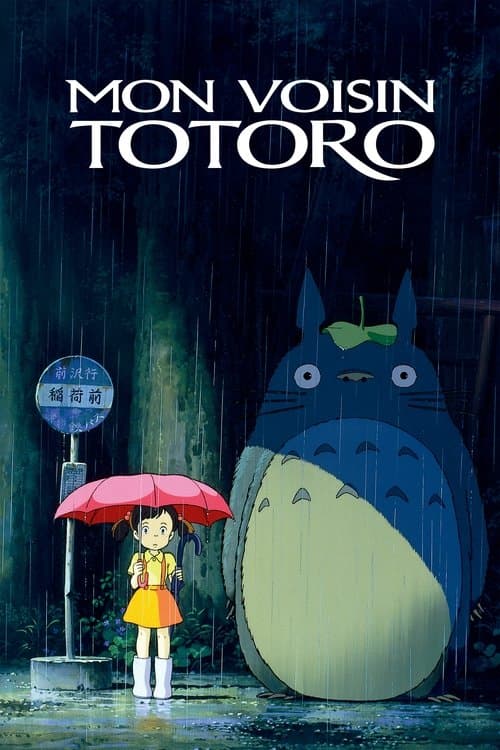
Two sisters move to the country with their father in order to be closer to their hospitalized mother, and discover the surrounding trees are inhabited by Totoros, magical spirits of the forest. When the youngest runs away from home, the older sister seeks help from the spirits to find her.
Difficult scenes
Early on, the two sisters explore an old dark house where tiny soot like creatures appear in the shadows. The scene is not aggressive, but the darkness, the creaking spaces, and the idea of a haunted home may unsettle a sensitive child, especially one who is already nervous about ghosts. When Mei follows the small spirits through tall plants and into the huge tree, the mood becomes more mysterious and Totoro makes very deep, startling sounds. The sequence stays wondrous rather than threatening, but a young viewer may still be surprised by the creature's size, unusual design, and sudden presence. Later, the delay in the mother's visit brings real family worry about her health, and both sisters respond with sadness and tension. This part may affect children who have personal experience with hospitals, separation, or fear about a parent being unwell, even though the film remains fundamentally reassuring. The search for Mei is the most emotionally intense section of the film. Adults briefly fear that a serious accident may have happened after a child's shoe is found near the water, which can create anxiety for younger viewers even though nothing graphic or violent is shown.
Where to watch
No verified platform for the US market yet. We keep this section updated as availability changes.
Availability checked on Apr 01, 2026
About this title
- Format
- Feature film
- Year
- 1988
- Runtime
- 1h 27m
- Countries
- Japan
- Original language
- JA
- Studios
- Studio Ghibli, Nibariki, Tokuma Shoten
Content barometer
Violence
0/5
None
Fear
1/5
Mild
Sexuality
0/5
None
Language
0/5
None
Narrative complexity
1/5
Accessible
Adult themes
0/5
None
Expert review
My Neighbor Totoro is a very gentle, reflective, and magical family film about two sisters exploring the Japanese countryside and meeting forest spirits while their mother is in the hospital. The main sensitive elements are mild unease around an old supposedly haunted house, a few strange creatures appearing in dark spaces, and child level anxiety connected to a parent's illness and a young girl briefly going missing. The intensity stays low throughout, with no real violence, no sexual content, and essentially no harsh language, though some very young viewers may still be startled by the soot spirits, Totoro's loud roars, or the fearful search for Mei. For many children, the film is suitable from age 4 if they already enjoy calm, imaginative stories, though engagement is often stronger around ages 5 or 6. Parents can help by explaining beforehand that the unusual creatures are kind, and that the story turns ordinary childhood worries into a safe and comforting fantasy.
Synopsis
Two sisters move to the country with their father in order to be closer to their hospitalized mother, and discover the surrounding trees are inhabited by Totoros, magical spirits of the forest. When the youngest runs away from home, the older sister seeks help from the spirits to find her.
Difficult scenes
Early on, the two sisters explore an old dark house where tiny soot like creatures appear in the shadows. The scene is not aggressive, but the darkness, the creaking spaces, and the idea of a haunted home may unsettle a sensitive child, especially one who is already nervous about ghosts. When Mei follows the small spirits through tall plants and into the huge tree, the mood becomes more mysterious and Totoro makes very deep, startling sounds. The sequence stays wondrous rather than threatening, but a young viewer may still be surprised by the creature's size, unusual design, and sudden presence. Later, the delay in the mother's visit brings real family worry about her health, and both sisters respond with sadness and tension. This part may affect children who have personal experience with hospitals, separation, or fear about a parent being unwell, even though the film remains fundamentally reassuring. The search for Mei is the most emotionally intense section of the film. Adults briefly fear that a serious accident may have happened after a child's shoe is found near the water, which can create anxiety for younger viewers even though nothing graphic or violent is shown.