
Mirai
未来のミライ
Does this age rating seem accurate to you?
Detailed parental analysis
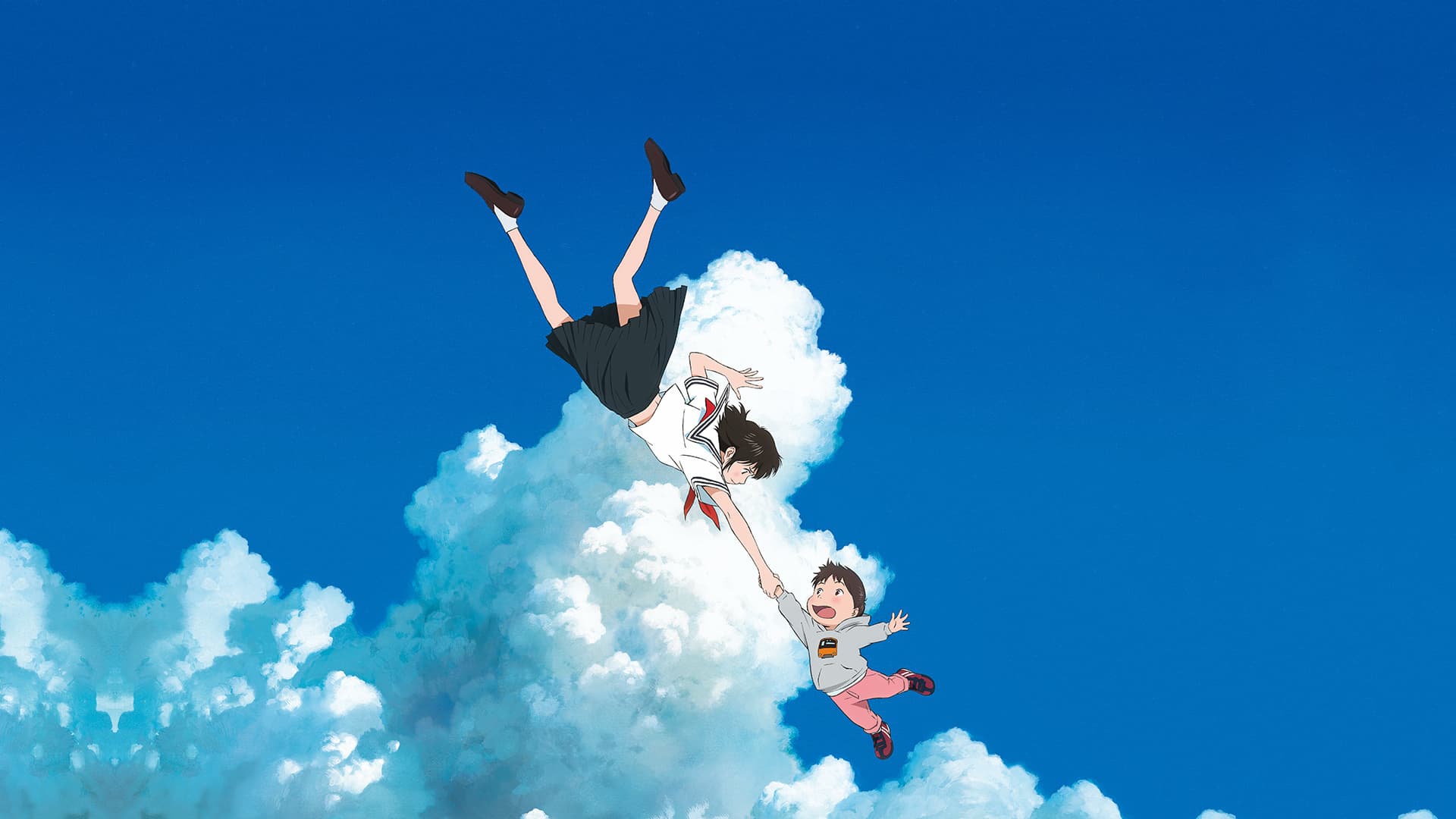
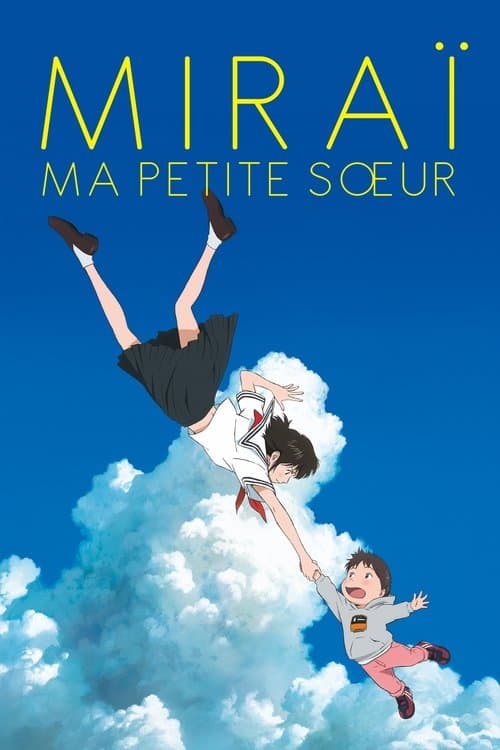
Mirai, My Little Sister is a Japanese animated film with a bittersweet atmosphere, blending family tenderness with occasionally unsettling dreamlike sequences. The story follows Kun, a four-year-old boy who struggles to accept the arrival of his baby sister Mirai and, through magical journeys through time, encounters past and future members of his family. The film is primarily aimed at an adult or teenage audience, even though its protagonist is a young child: very young children may find little narrative grounding in it and may come away disturbed rather than enchanted.
Underlying Values
The film builds its entire argument around family transmission and emotional maturation. Becoming a big brother is not presented as a given but as a difficult learning process that requires accepting that one is no longer the centre of the world. The time travels allow Kun to understand that each member of his family had their own childhood, their own fears and their own sacrifices, which gives the narrative a rare depth on the continuity of generations. The central value is not performance or conformity, but empathy acquired through experience, which makes it a particularly rich film to discuss with a child or teenager who is themselves going through a family restructuring or the arrival of a younger sibling.
Violence
The violence present in the film is that of a four-year-old child in crisis: Kun pinches, hits and injures his baby sister with toys, and the film does not downplay these actions or the temptation to repeat them. This honest portrayal of childhood aggression may come as a surprise, but it is treated with a clear narrative purpose: to show that sibling jealousy is real, intense, and can be overcome. The sequence at the ghost station, where Kun finds himself alone in a labyrinthine place evoking a purgatory for lost children, is the most harrowing in the film: several children have found it genuinely frightening, and the warning is justified for the more sensitive.
Parental and Family Portrayals
Kun's parents are portrayed in a nuanced and realistic way: overwhelmed, imperfect, sometimes at their wit's end, but fundamentally loving and present. The mother is shown several times with a face that transforms into a demonic mask, an expressionist image of parental anger as seen through the eyes of a young child. This visual choice is striking and may disconcert, but it says something true about the way a small child perceives adult authority. The father, who works from home and takes on a significant share of childcare, offers a model of involved fatherhood that is uncommon in animated cinema.
Social Themes
A flashback sequence shows Kun's great-grandfather wounded in the leg during the Second World War. The scene is brief but treated with gravity, and it fits the film's logic: understanding that ancestors went through ordeals that shaped today's family. It is not a history lesson, but an invitation to ask questions about what previous generations experienced.
Substances
The parents drink beer at dinner, without this being presented as problematic behaviour or valorised. The presence is incidental and has no narrative significance.
Strengths
The film possesses an emotional intelligence that is uncommon in family animation. Rather than smoothing over the difficult emotions of childhood, it takes them seriously: jealousy, fear of being replaced, helpless rage are shown without condescension or easy moralising. The structure of time travels allows the notion of family lineage to be addressed in a concrete and sensitive way, giving each ancestor human depth. The final sequence, more abstract and cosmic, opens onto a reflection on identity and each person's place in a story that transcends them. It is a film that leaves lasting images and lends itself to rich conversation between parents and children about what it means to grow up in a family.
Age recommendation and discussion points
The film is best reserved for children of at least 8 years old who are able to tolerate distressing sequences, and is fully experienced from 10-11 years onwards, the age at which the emotional and temporal dimension of the narrative can truly be grasped. Two angles of discussion are worth opening after viewing: ask the child if they have ever felt something similar to what Kun experiences with his sister, and explore together what grandparents or great-grandparents went through in their own lives.
Synopsis
Unhappy after his new baby sister displaces him, four-year-old Kun begins meeting people and pets from his family's history in their unique house in order to help him become the big brother he was meant to be.
About this title
- Format
- Feature film
- Year
- 2018
- Runtime
- 1h 38m
- Countries
- Japan
- Original language
- JA
- Directed by
- Mamoru Hosoda
- Main cast
- Moka Kamishiraishi, Haru Kuroki, Gen Hoshino, Kumiko Aso, Mitsuo Yoshihara, Yoshiko Miyazaki, Koji Yakusho, Masaharu Fukuyama, Kaede Hondo, Daniel Dae Kim
- Studios
- Studio Chizu, D.N. Dream Partners, NTT Docomo, Nippon Television Network Corporation, KADOKAWA
Content barometer
- Violence2/5Moderate
- Fear3/5Notable tension
- Sexuality0/5None
- Language0/5None
- Narrative complexity3/5Complex
- Adult themes1/5Mild
Watch-outs
Values conveyed
- Acceptance of difference
- Compassion
- family
- empathy
- siblinghood
- growing up