
Miraculous World: Paris, Tales of Shadybug and Claw Noir
Does this age rating seem accurate to you?
Detailed parental analysis
Miraculous World: Paris, The Adventures of Toxinelle and Shadow Noir is an animated fantasy television film with a darker and denser atmosphere than the animated series from which it originates. The story immerses the main characters in an alternate Paris where heroic roles are inverted, forcing them to question the notions of good, evil and the choices that lead from one to the other. It is primarily aimed at teenagers already familiar with the Miraculous franchise; newcomers risk losing interest quickly due to lack of context.
Social Themes
School bullying forms the central dramatic driver of the film. An adolescent character is depicted as a victim of total social isolation, following serious and prolonged harassment, without anyone in their surroundings intervening effectively. This portrayal is realistic and sustained, which gives the film a notable emotional weight. Unresolved grief and the absence of emotional support compound this trajectory, pushing the character towards a shift that is understandable in its causes, even if it remains morally condemnable in its actions. This is the weightiest subject in the film, the one that justifies a prepared conversation before or after viewing.
Violence
Confrontations are numerous, featuring adolescents in immediate danger with visual manifestations of the damage sustained: physical fissures, visible physical deterioration linked to the abusive use of magical powers. The intensity significantly exceeds that of the series' usual episodes. Violence remains stylised and situated within the fantasy register, without gore in the strict sense, but it is sustained and repeated. Its narrative purpose is real: the physical consequences illustrate the moral and physical cost of a perverted use of powers, which gives these scenes thematic reach beyond mere spectacle.
Underlying Values
The film constructs a serious reflection on the conditions that lead an individual to do evil, by showing that the shift is born from ignored suffering rather than innate malice. This nuance is a genuine moral quality of the narrative. In parallel, the narrative structure values the courage of maintaining one's values in a universe where they are inverted, and questions collective responsibility in the face of others' suffering. The film does not legitimise the destructive acts of its antagonists, but it renders them humanly comprehensible, which is far more pedagogically rich than a binary opposition between good and evil.
Parental and Family Portrayals
The absence of adult emotional support is structural in the narrative: parental and educational figures do not play the role of safety net for characters in distress. This gap is neither caricatured nor explicitly condemned, but it forms part of the dramatic architecture that makes the character's shift credible. This is a useful angle to highlight to parents, not to induce guilt, but so that the child can articulate what they felt when confronted with these situations.
Language
A few mild insults appear in the film, without the register being particularly crude. This point is very secondary and does not warrant any special precaution beyond the recommended age.
Strengths
The film distinguishes itself from the series through a more mature narrative atmosphere and genuine thematic ambition: treating bullying, grief and solitude with an emotional depth that moves both children and the adults accompanying them. The construction of the alternate world allows exploration of familiar characters from a radically different angle, which stimulates reflection rather than passive reception. The emotional weight is strong enough to provoke a genuine response from viewers of all ages, and it is precisely this that makes it a good starting point for difficult but necessary conversations about adolescent suffering and the responsibility of collective awareness.
Age recommendation and discussion points
The film is suitable from age 10 for children familiar with the series, provided there is preparation or parental accompaniment if the child is themselves sensitive to questions of bullying or grief. Two angles of discussion are necessary after viewing: why no one helped this character before they shifted, and what does this teach us about our own responsibility towards someone suffering around us.
Synopsis
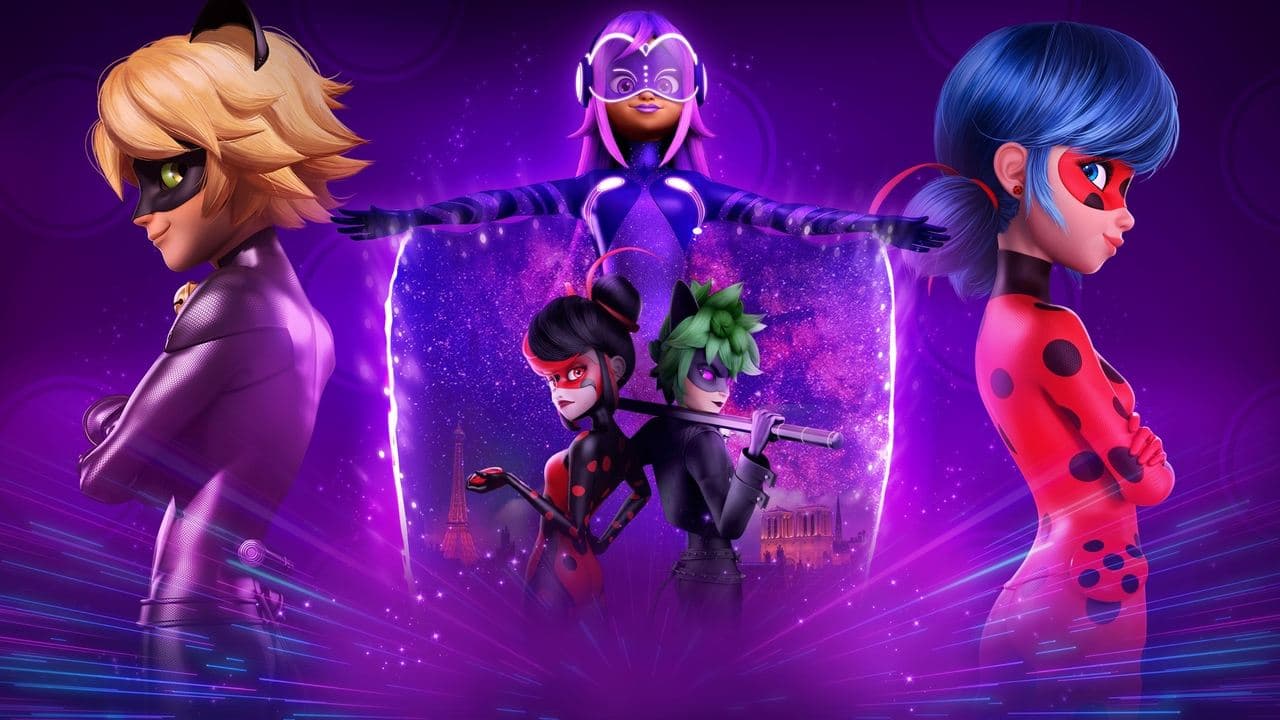
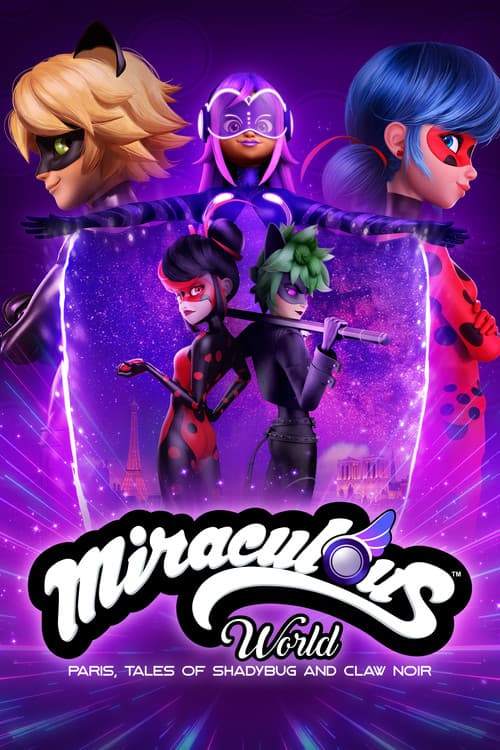
Miraculous holders from another world appear in Paris. They come from a parallel universe where everything is reversed: the holders of Ladybug and Black Cat Miraculouses, Shadybug and Claw Noir, are the bad guys, and the holder of the Butterfly Miraculous, Betterfly, is a superhero. Ladybug and Cat Noir will have to help Betterfly counter the attacks of their evil doubles and prevent them from seizing the Butterfly Miraculous. Can our heroes also help Betterfly make Shadybug and Claw Noir better people?
About this title
- Format
- Feature film
- Year
- 2023
- Runtime
- 46m
- Countries
- Canada, France, South Korea, United Kingdom
- Original language
- FR
- Directed by
- Thomas Astruc
- Main cast
- Antoine Tomé, Anouck Hautbois, Benjamin Bollen, Fanny Bloc, Marie Nonnenmacher, Thierry Kazazian, Martial Le Minoux, Jessie Lambotte, Alexandre Nguyen, Marie Chevalot
- Studios
- ZAG Entertainment, SAMG Entertainment, Method Animation, The Walt Disney Company EMEA, Télé-Québec, TF1, Gloob, Norman Studio
Content barometer
- Violence3/5Notable
- Fear3/5Notable tension
- Sexuality0/5None
- Language1/5Mild
- Narrative complexity0/5Simple
- Adult themes0/5None
Values conveyed
- Courage
- Acceptance of difference
- Compassion
- Loyalty
- friendship
- teamwork
- redemption