Miraculous: Tales of Ladybug & Cat Noir
Does this age rating seem accurate to you?
Detailed parental analysis
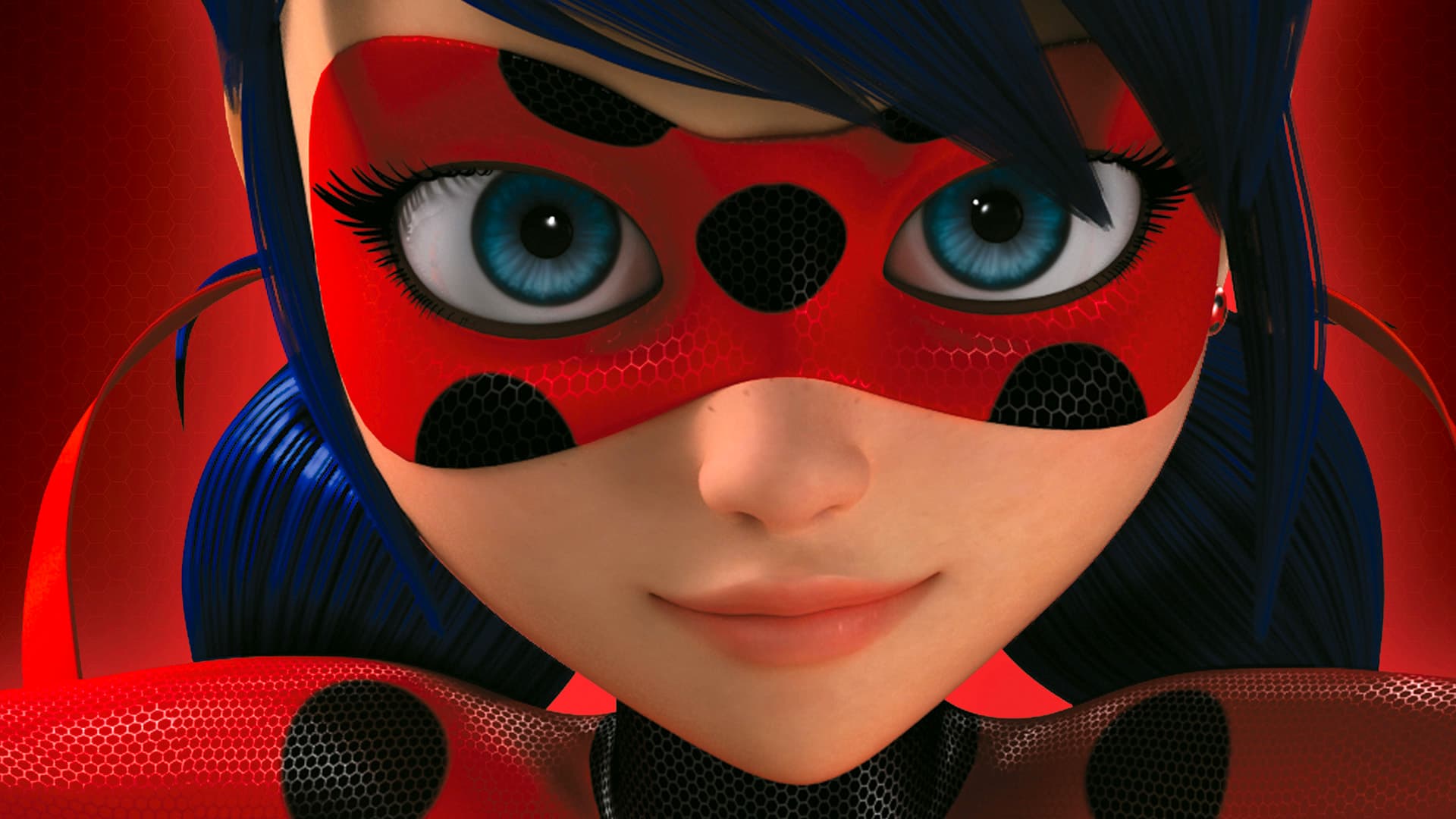
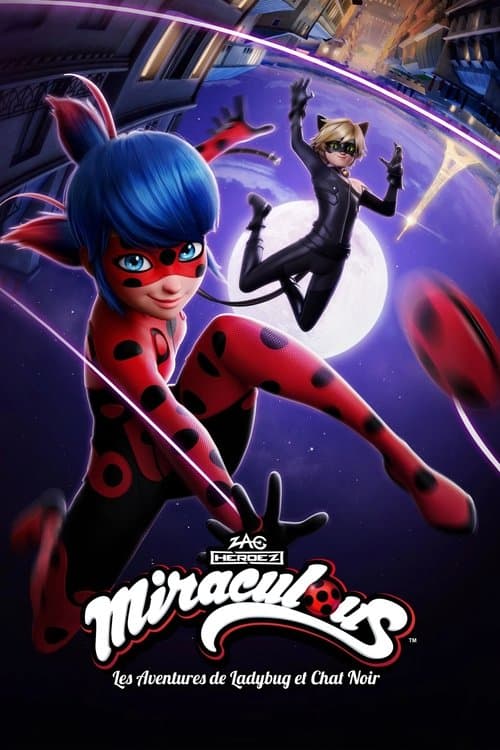
Miraculous is a French animated series with a light and colourful atmosphere, blending superhero adventures with teenage comedy in a stylised contemporary Paris. Two ordinary sixth-formers, unaware of each other's secret identity, protect their city in masked costumes against a sorcerer who transforms Parisians into supervillains. The series is clearly aimed at children from seven or eight years old and pre-teens, with an intentionally reassuring tone in its early seasons.
Underlying Values
The narrative is structured around solid positive values: the two heroes consistently favour intelligence and cunning over brute force, and each episode concludes without permanent damage thanks to a magical restoration power that erases all destruction. The main heroine is fully in control of her own story, a rescuer in equal measure to her male partner, without their relationship being defined by gender hierarchy. A notable nuance emerges with the character of Lila, a pathological manipulator who repeatedly lies to gain sympathy from those around her: this character functions as a comedic and dramatic device, but her manipulation is not always explicitly condemned on screen, which warrants discussion with the child about the distinction between social charm and honesty.
Violence
Violence is light, stylised and entirely defused: the fights are cartoonish, without blood, without visible injury and without death. Characters are regularly put in danger, thrown, hurled, threatened, but systematically saved before any real impact occurs. The magical restoration power physically erases destruction at the end of each episode, reinforcing the idea that the consequences of conflict are reversible. This absence of permanent consequence is consistent with the target audience, but seasons three onwards introduce darker narrative elements, including permanent deaths and complex moral reversals, which noticeably shift the series' tone.
Language
Language is very measured: a few light terms of ordinary English in the original version, and gentle insults in the character of Chloé's mouth, used to signal her disdainful nature for comic effect. There is neither strong profanity nor sustained aggressive register. This point requires no particular warning for a child from seven years old.
Social Themes
The series unfolds entirely in an idealised and multicultural Paris, with a school class whose composition reflects ordinary diversity without making it a subject in itself. School, family and the city as a space of collective life are at the heart of the narrative, which makes it fertile ground for conversations about social life, loyalty towards one's friends and managing group conflicts.
Strengths
The series succeeds in constructing a dual plot sustained over several seasons: superhero action coexists with teenage romantic comedy founded on an identity secret misunderstanding that endures over time without running out of steam immediately. The main heroine is presented as creative, resourceful and emotionally complex, with credible flaws such as shyness and self-doubt, which gives her a depth rarely seen in this type of series aimed at young children. The friendship between Marinette and her best friend is depicted without competition or rivalry, offering an uncommon model of female relationship in children's animation. The series also poses, through its double-identity mechanism, implicit questions about trust, loyalty and secrecy that children intuitively perceive.
Age recommendation and discussion points
The series is suitable from seven years old for the early seasons, which remain light and reassuring. From season three onwards, the tone becomes more complex with weightier stakes, and parental accompaniment is advised for children under ten. Two concrete angles for discussion after viewing: ask the child what they think of Lila's behaviour and whether lying to be liked actually works, and explore with them why the heroes hide their identity and what that says about the trust we place in others.
Synopsis
Marinette and Adrien, two Parisian teenagers, are entrusted with powerful jewels in order to transform into superheroes Ladybug and Cat Noir. But neither hero knows the other's true identity — or that they're classmates!
Where to watch
Availability checked on Apr 09, 2026
About this title
- Format
- TV series
- Year
- 2015
- Countries
- France, South Korea
- Original language
- FR
- Directed by
- Thomas Astruc, Jeremy Zag, Nathanaël Bronn
- Main cast
- Anouck Hautbois, Benjamin Bollen, Antoine Tomé, Marie Nonnenmacher, Thierry Kazazian
- Studios
- Method Animation, SAMG Entertainment, ZAG Entertainment, Miraculous Corp., Toei Animation Europe
Content barometer
- Violence1/5Mild
- Fear1/5Mild
- Sexuality1/5Allusions
- Language1/5Mild
- Narrative complexity1/5Accessible
- Adult themes0/5None
Watch-outs
- Bullying
- Mockery
Values conveyed
- Courage
- Friendship
- Acceptance of difference
- Perseverance
- Loyalty
- Autonomy
- responsibility
- justice
- teamwork
- emotional self-regulation
- secret identity and self-confidence
- solidarity