
Memoir of a Snail
Memoir of a Snail
Your feedback improves this guide
Your feedback highlights guides that need a second look and keeps the rating trustworthy.
Does this age rating seem accurate to you?
Sign in to vote
Watch-outs
What this film brings
Content barometer
Violence
2/5
Moderate
Fear
3/5
Notable tension
Sexuality
3/5
Moderate
Language
1/5
Mild
Narrative complexity
3/5
Complex
Adult themes
2/5
Present
Expert review
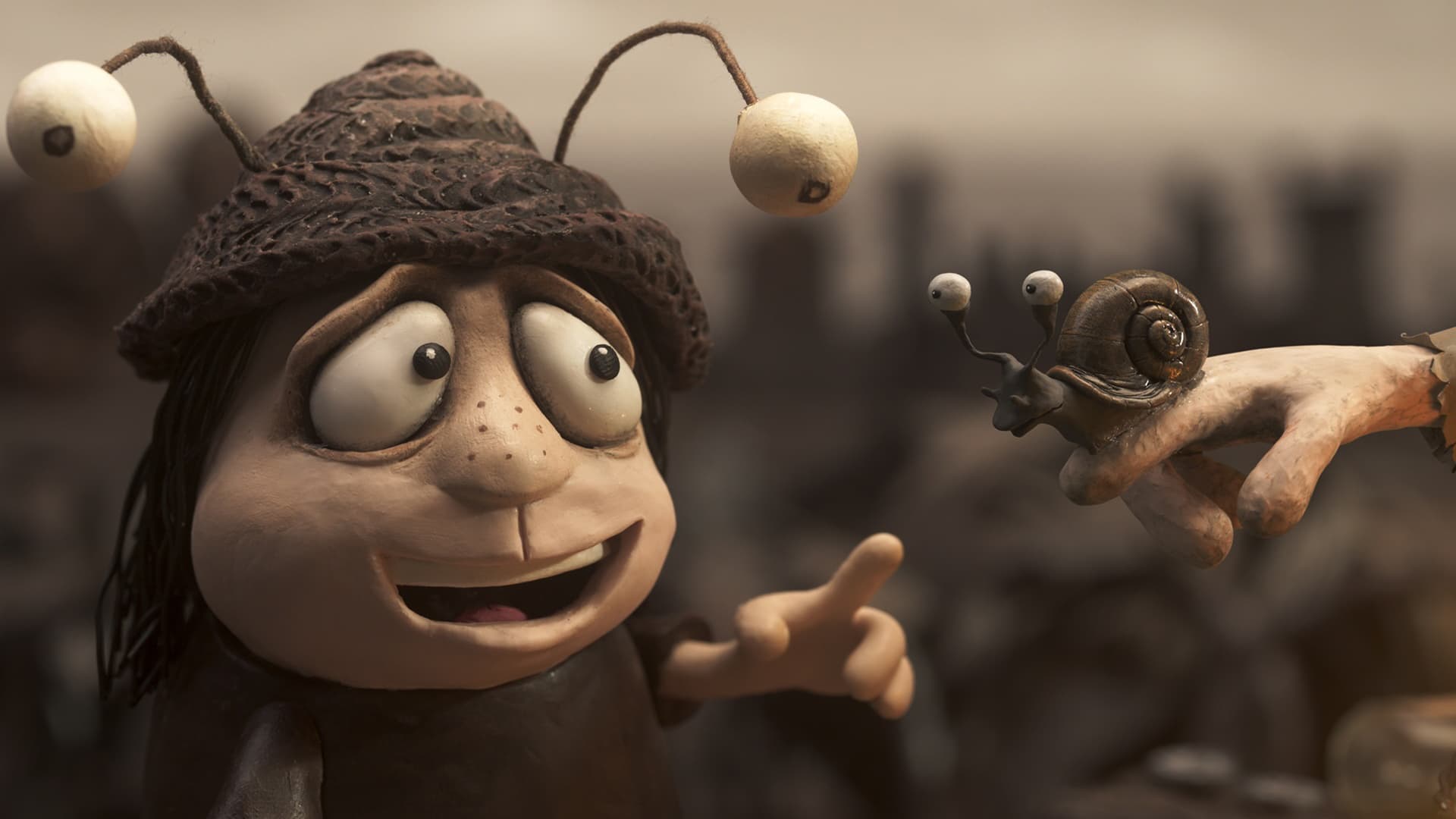
This stop motion animated film follows a childhood and young adulthood shaped by grief, separation, and loneliness, with a strongly melancholic atmosphere even though it includes some warmth and eccentric humor. The sensitive material centers on a parent's death, painful foster placements, bullying, psychological and religious abuse, and several clearly adult themes such as alcoholism, nudism, sexual references, and a disturbing mention of conversion treatment. The intensity comes less from graphic on screen violence than from the steady buildup of suffering, abandonment, and sadness, which can feel quite heavy for younger children despite the animated format. Preteens may already find some scenes emotionally overwhelming, especially those involving loss, humiliation, and unsafe adults. I would recommend it mainly from age 12, with adult support from around 10 or 11 only for children who already handle dark emotional stories well and benefit from discussion afterward.
Synopsis
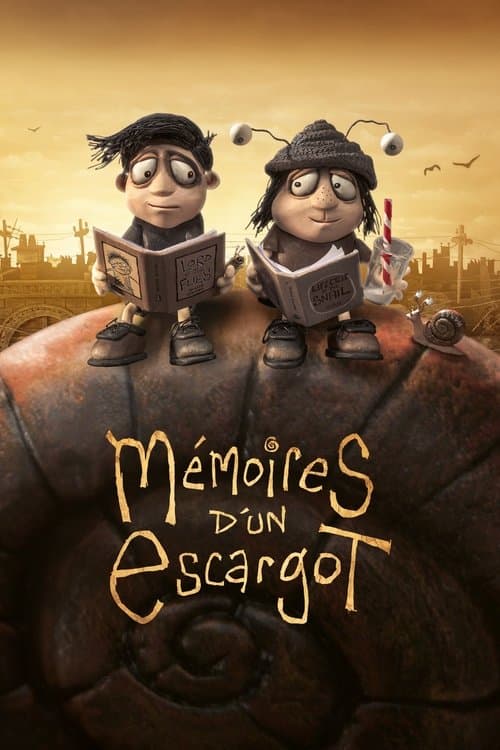
Forcibly separated from her twin brother when they are orphaned, a melancholic misfit learns how to find confidence within herself amid the clutter of misfortunes and everyday life.
Difficult scenes
The opening sets a difficult emotional tone, with a young girl being mocked by other children, a disabled and alcoholic father, and then a death that leads to the twins being abruptly separated. Even without strong graphic violence, this chain of events can be very upsetting for a child because it directly touches on the fear of losing family stability. The brother's time with his religious foster family contains the harshest material in the story. He experiences cruelty, humiliation, and an oppressive environment, and the film later refers to punishment connected to his romantic identity, including conversion therapy with electric shocks mentioned in a dramatic context that may deeply disturb viewers. In Grace's foster home, some details belong to a more adult world than a typical children's film. Her foster parents are often absent because of sexual activities, and later join a nudist group, which is not presented in an explicit visual way but still introduces mature subject matter beyond standard family viewing. As an adult, Grace goes through a romantic relationship that leads to a troubling discovery involving control over her body and eating habits. This section is not sexually explicit, but it deals with manipulation, obsession, emotional distress, stealing, and a court appearance, giving the film a fairly heavy psychological dimension.
Where to watch
No verified platform for the US market yet. We keep this section updated as availability changes.
Availability checked on Apr 01, 2026
About this title
- Format
- Feature film
- Year
- 2024
- Runtime
- 1h 34m
- Countries
- Australia, United Kingdom, France
- Original language
- EN
- Directed by
- Adam Elliot
- Main cast
- Sarah Snook, Kodi Smit-McPhee, Jacki Weaver, Magda Szubanski, Dominique Pinon, Tony Armstrong, Paul Capsis, Eric Bana, Bernie Clifford, Davey Thompson
- Studios
- Arenamedia, MIFF Premiere Fund, Anton, Charades
Content barometer
Violence
2/5
Moderate
Fear
3/5
Notable tension
Sexuality
3/5
Moderate
Language
1/5
Mild
Narrative complexity
3/5
Complex
Adult themes
2/5
Present
Expert review
This stop motion animated film follows a childhood and young adulthood shaped by grief, separation, and loneliness, with a strongly melancholic atmosphere even though it includes some warmth and eccentric humor. The sensitive material centers on a parent's death, painful foster placements, bullying, psychological and religious abuse, and several clearly adult themes such as alcoholism, nudism, sexual references, and a disturbing mention of conversion treatment. The intensity comes less from graphic on screen violence than from the steady buildup of suffering, abandonment, and sadness, which can feel quite heavy for younger children despite the animated format. Preteens may already find some scenes emotionally overwhelming, especially those involving loss, humiliation, and unsafe adults. I would recommend it mainly from age 12, with adult support from around 10 or 11 only for children who already handle dark emotional stories well and benefit from discussion afterward.
Synopsis
Forcibly separated from her twin brother when they are orphaned, a melancholic misfit learns how to find confidence within herself amid the clutter of misfortunes and everyday life.
Difficult scenes
The opening sets a difficult emotional tone, with a young girl being mocked by other children, a disabled and alcoholic father, and then a death that leads to the twins being abruptly separated. Even without strong graphic violence, this chain of events can be very upsetting for a child because it directly touches on the fear of losing family stability. The brother's time with his religious foster family contains the harshest material in the story. He experiences cruelty, humiliation, and an oppressive environment, and the film later refers to punishment connected to his romantic identity, including conversion therapy with electric shocks mentioned in a dramatic context that may deeply disturb viewers. In Grace's foster home, some details belong to a more adult world than a typical children's film. Her foster parents are often absent because of sexual activities, and later join a nudist group, which is not presented in an explicit visual way but still introduces mature subject matter beyond standard family viewing. As an adult, Grace goes through a romantic relationship that leads to a troubling discovery involving control over her body and eating habits. This section is not sexually explicit, but it deals with manipulation, obsession, emotional distress, stealing, and a court appearance, giving the film a fairly heavy psychological dimension.