Song of the South
Song of the South
Your feedback improves this guide
Your feedback highlights guides that need a second look and keeps the rating trustworthy.
Does this age rating seem accurate to you?
Sign in to vote
Watch-outs
What this film brings
Content barometer
Violence
2/5
Moderate
Fear
2/5
A few scenes
Sexuality
0/5
None
Language
0/5
None
Narrative complexity
1/5
Accessible
Adult themes
0/5
None
Expert review
This live action and animation hybrid has a gentle storybook surface, following a young boy who is upset by his parents' separation and comforted by folktales told by an older man. The main concerns are emotional sadness around the family breakup, several bullying moments between children, a threat toward a puppy, and a later accident scene that may upset sensitive viewers. The overall intensity is moderate, with no graphic violence and little harsh language, but the crying, nighttime running away, and child conflicts can still feel heavy for very young children. Parents should also know that the film presents a deeply dated and romanticized view of the post Civil War American South, including racial stereotypes and a plantation setting that require historical context. It is best watched with adult guidance, both to support children through the sad moments and to explain why some of the social attitudes shown are harmful and not acceptable.
Synopsis
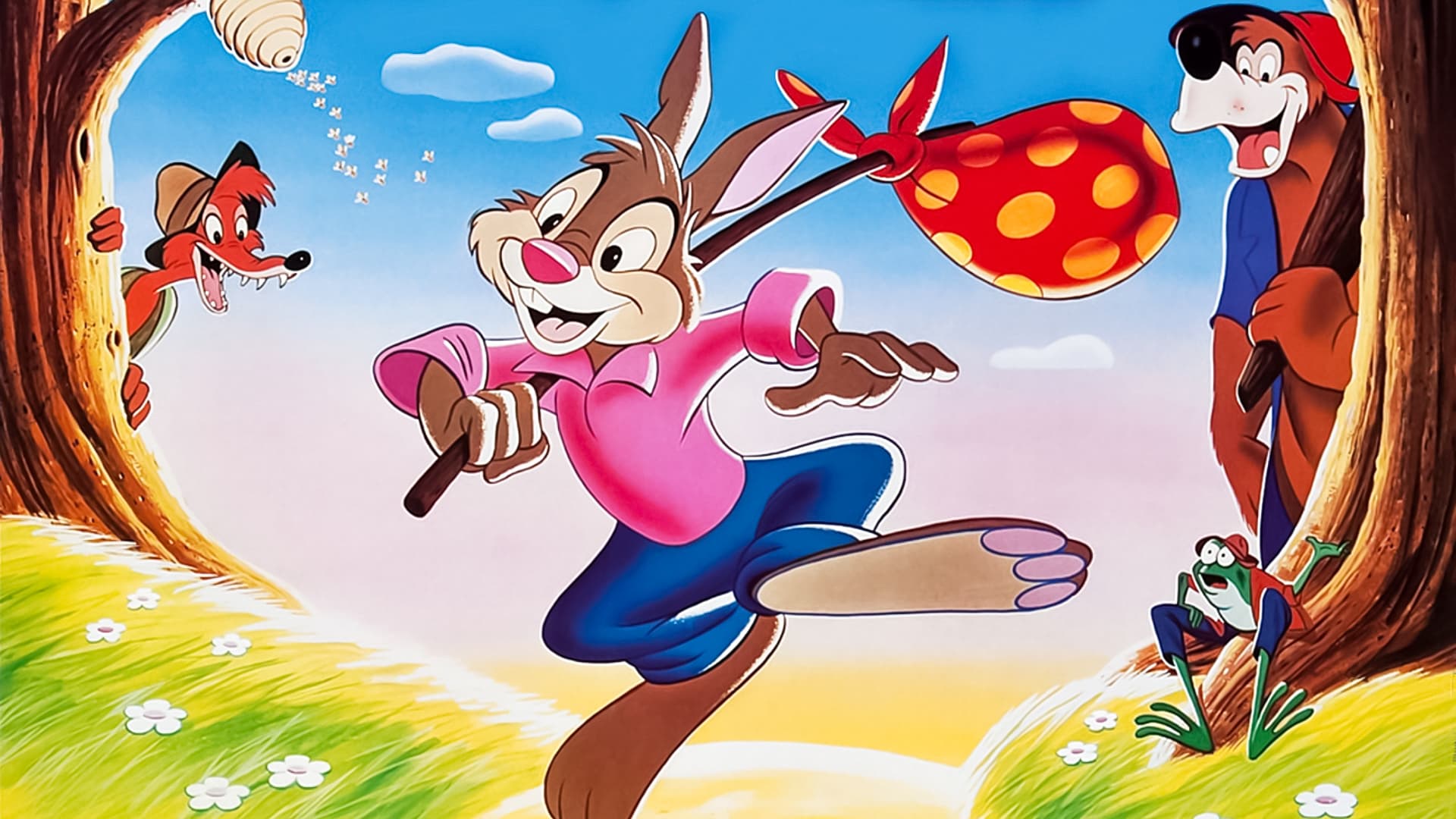
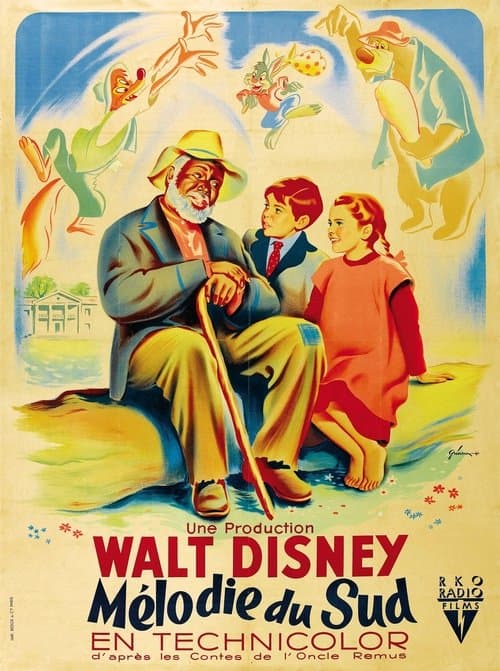
Uncle Remus draws upon his tales of Br'er Rabbit to help little Johnny deal with his confusion over his parents' separation as well as his new life on the plantation.
Difficult scenes
Early in the film, the young boy learns that his parents are separating and that his father is leaving without him. This leads to crying and a nighttime attempt to run away, which may be upsetting for children who are sensitive to family separation. A puppy given to the child becomes the center of a conflict, and two older boys threaten to take it away and drown it. The moment is not graphic, but the danger to the animal is clear and could be distressing for animal loving children. Several scenes show the two older brothers mocking, shoving, or bullying younger children, including a fight with the main boy and a scene where the young girl is pushed into mud. These moments are not extreme, but they create realistic social tension that some children will strongly feel. The plantation setting itself is a major concern because Black characters are framed through an idealized and stereotyped perspective. Younger viewers may not recognize the issue on their own, so parents may want to explain why this portrayal is historically distorted and harmful. Later in the story, a serious accident places a child in danger and creates a strong moment of emotional fear. The sequence is not graphic, but the distress of the adults and the sense of possible loss can be intense for sensitive viewers.
Where to watch
No verified platform for the US market yet. We keep this section updated as availability changes.
Availability checked on Apr 01, 2026
About this title
- Format
- Feature film
- Year
- 1946
- Runtime
- 1h 30m
- Countries
- United States of America
- Original language
- EN
- Directed by
- Harve Foster, Wilfred Jackson
- Main cast
- James Baskett, Ruth Warrick, Bobby Driscoll, Luana Patten, Lucile Watson, Hattie McDaniel, Erik Rolf, Glenn Leedy, Mary Field, Anita Brown
- Studios
- Walt Disney Productions
Content barometer
Violence
2/5
Moderate
Fear
2/5
A few scenes
Sexuality
0/5
None
Language
0/5
None
Narrative complexity
1/5
Accessible
Adult themes
0/5
None
Expert review
This live action and animation hybrid has a gentle storybook surface, following a young boy who is upset by his parents' separation and comforted by folktales told by an older man. The main concerns are emotional sadness around the family breakup, several bullying moments between children, a threat toward a puppy, and a later accident scene that may upset sensitive viewers. The overall intensity is moderate, with no graphic violence and little harsh language, but the crying, nighttime running away, and child conflicts can still feel heavy for very young children. Parents should also know that the film presents a deeply dated and romanticized view of the post Civil War American South, including racial stereotypes and a plantation setting that require historical context. It is best watched with adult guidance, both to support children through the sad moments and to explain why some of the social attitudes shown are harmful and not acceptable.
Synopsis
Uncle Remus draws upon his tales of Br'er Rabbit to help little Johnny deal with his confusion over his parents' separation as well as his new life on the plantation.
Difficult scenes
Early in the film, the young boy learns that his parents are separating and that his father is leaving without him. This leads to crying and a nighttime attempt to run away, which may be upsetting for children who are sensitive to family separation. A puppy given to the child becomes the center of a conflict, and two older boys threaten to take it away and drown it. The moment is not graphic, but the danger to the animal is clear and could be distressing for animal loving children. Several scenes show the two older brothers mocking, shoving, or bullying younger children, including a fight with the main boy and a scene where the young girl is pushed into mud. These moments are not extreme, but they create realistic social tension that some children will strongly feel. The plantation setting itself is a major concern because Black characters are framed through an idealized and stereotyped perspective. Younger viewers may not recognize the issue on their own, so parents may want to explain why this portrayal is historically distorted and harmful. Later in the story, a serious accident places a child in danger and creates a strong moment of emotional fear. The sequence is not graphic, but the distress of the adults and the sense of possible loss can be intense for sensitive viewers.