Megamind
Does this age rating seem accurate to you?
Detailed parental analysis
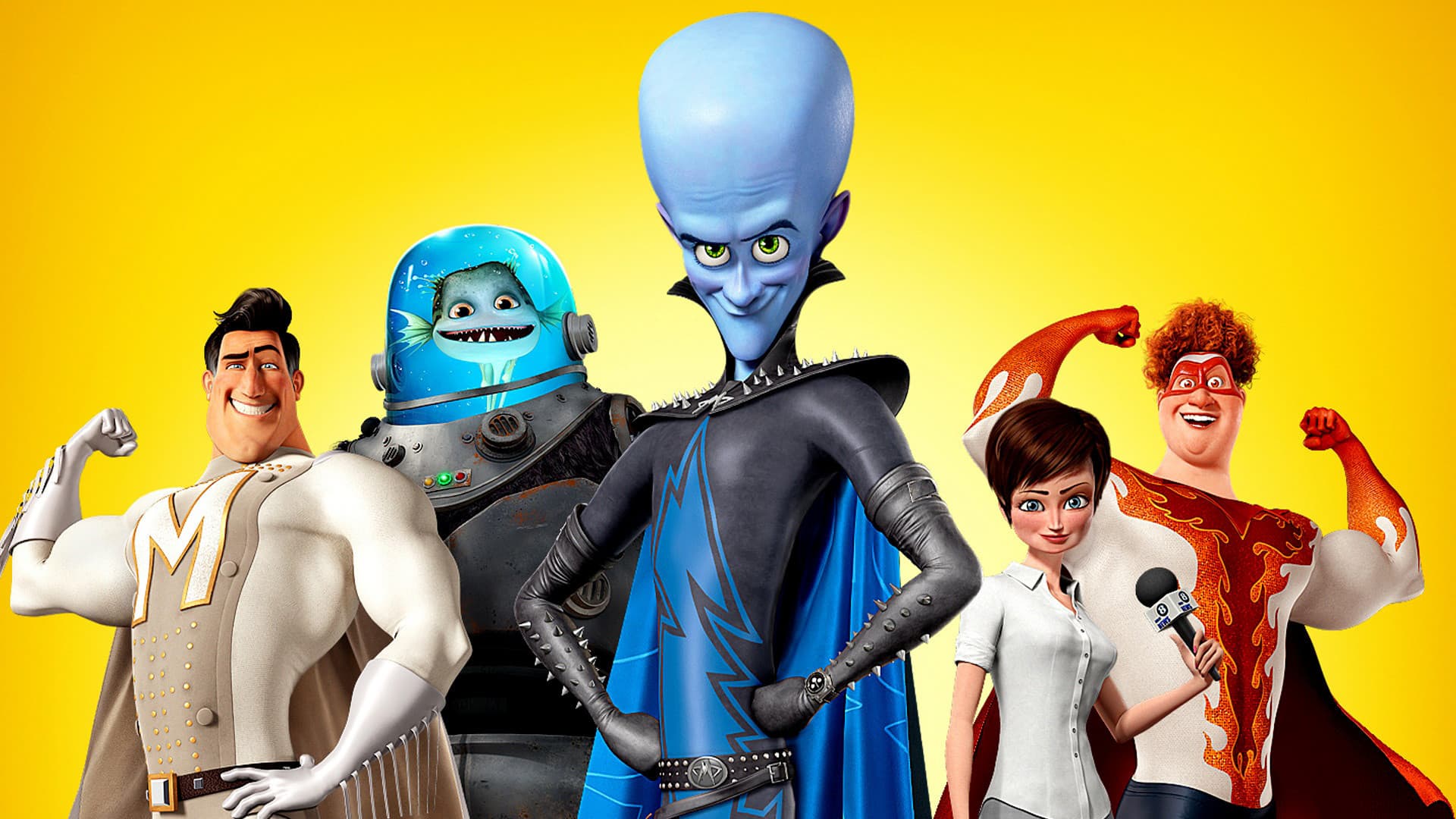
Megamind is an upbeat, parodic superheroic animated comedy that humorously subverts the conventions of its genre. The story follows a supervillain who, after defeating his sworn enemy, finds himself without purpose and must reinvent his identity. The film is primarily aimed at school-age children, but its referential humour and more subtle themes also appeal to teenagers and the adults accompanying them.
Underlying Values
This is the heart of the film and its richest point for parent-child discussion. Megamind develops an accessible reflection on chosen destiny versus imposed destiny: the protagonist has grown up in an environment that categorised him as a villain, and the narrative clearly asserts that he can break free from this through his actions. The film also addresses a philosophical idea rarely encountered at this age: good and evil are defined in part by one another, and the absence of a worthy adversary can drain meaning from an entire existence. These questions are treated lightly, but they are there, and they offer a genuine entry point for talking with a child about character development, how others perceive us, and the choices that define who we are. A character who gains power without the maturity to wield it serves as a particularly well-constructed counterexample.
Violence
Violence is present but treated in a spectacular and cartoonish manner, never tipping into realism or gore. Explosions, urban destruction and chases follow one another at a brisk pace, and a kidnapping scene involving repeated falls into the void may be intense for younger viewers. A brief image of a skeleton accompanies the apparent death of a character. The whole remains within the visual codes of the animated superheroic genre, violence is never gratuitous and its emotional consequences are woven into the narrative, which gives it narrative purpose rather than mere entertainment value.
Parental and Family Portrayals
The two heroes of the film are orphans whose parents died in a cosmic catastrophe: parental absence is the starting point of their opposing trajectories. The film does not dwell on this loss, but it establishes it as the foundational wound that partly explains the characters' adult behaviour. This is a discreet but genuine angle that may resonate differently depending on the child's sensitivity.
Language
The register of language is generally clean. Light expressions such as 'butt', playground-style mockery and a religious exclamation used as an interjection make up the main elements to note. Nothing aggressive or problematic, but it is consistent with the film's slightly irreverent humour.
Strengths
The film distinguishes itself through the intelligence of its writing in a register that could have settled for being a superficial parody. The deconstruction of hero and villain is conducted with a narrative coherence that is rare for this type of mainstream animation, and the principal plot twist rests on credible psychological foundations rather than a scriptwriting device. The humour works on multiple levels simultaneously, which allows children and adults to laugh at the same scenes for different reasons. The characterisation of the main characters is carefully crafted and their developments are earned, which gives the film real emotional substance beyond spectacle.
Age recommendation and discussion points
The film is suitable from age 7 for a child who is comfortable with animated action and somewhat intense scenes; a fully relaxed and rewarding viewing experience is better suited to age 8-9 and above. Two discussion points are worth exploring after the film: ask your child whether Megamind was really wicked from the start and what made him change, and explore together whether we truly choose who we are or whether our surroundings decide that for us.
Synopsis
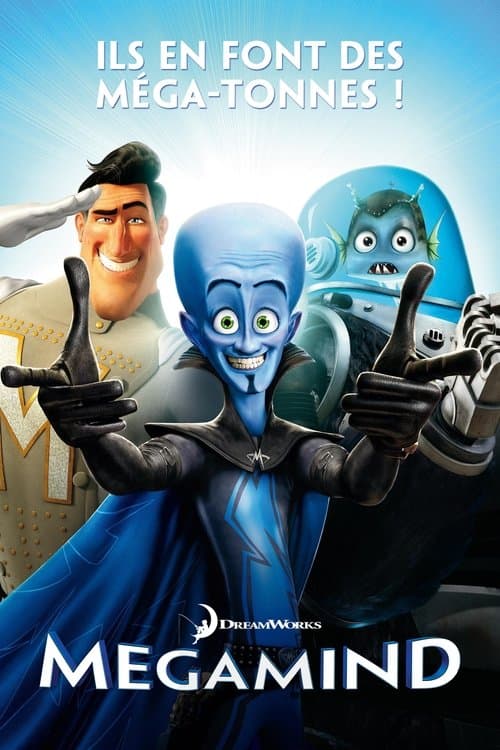
After Megamind, a highly intelligent alien supervillain, defeats his long-time nemesis Metro Man, Megamind creates a new hero to fight, but must act to save the city when his "creation" becomes an even worse villain than he was.
About this title
- Format
- Feature film
- Year
- 2010
- Runtime
- 1h 36m
- Countries
- United States of America
- Original language
- EN
- Studios
- DreamWorks Animation, Pacific Data Images
Content barometer
- Violence2/5Moderate
- Fear2/5A few scenes
- Sexuality0/5None
- Language1/5Mild
- Narrative complexity1/5Accessible
- Adult themes0/5None
Watch-outs
Values conveyed
- Courage
- Acceptance of difference
- Autonomy
- Forgiveness
- redemption
- friendship
- self acceptance