
Madagascar: Escape 2 Africa
Does this age rating seem accurate to you?
Detailed parental analysis
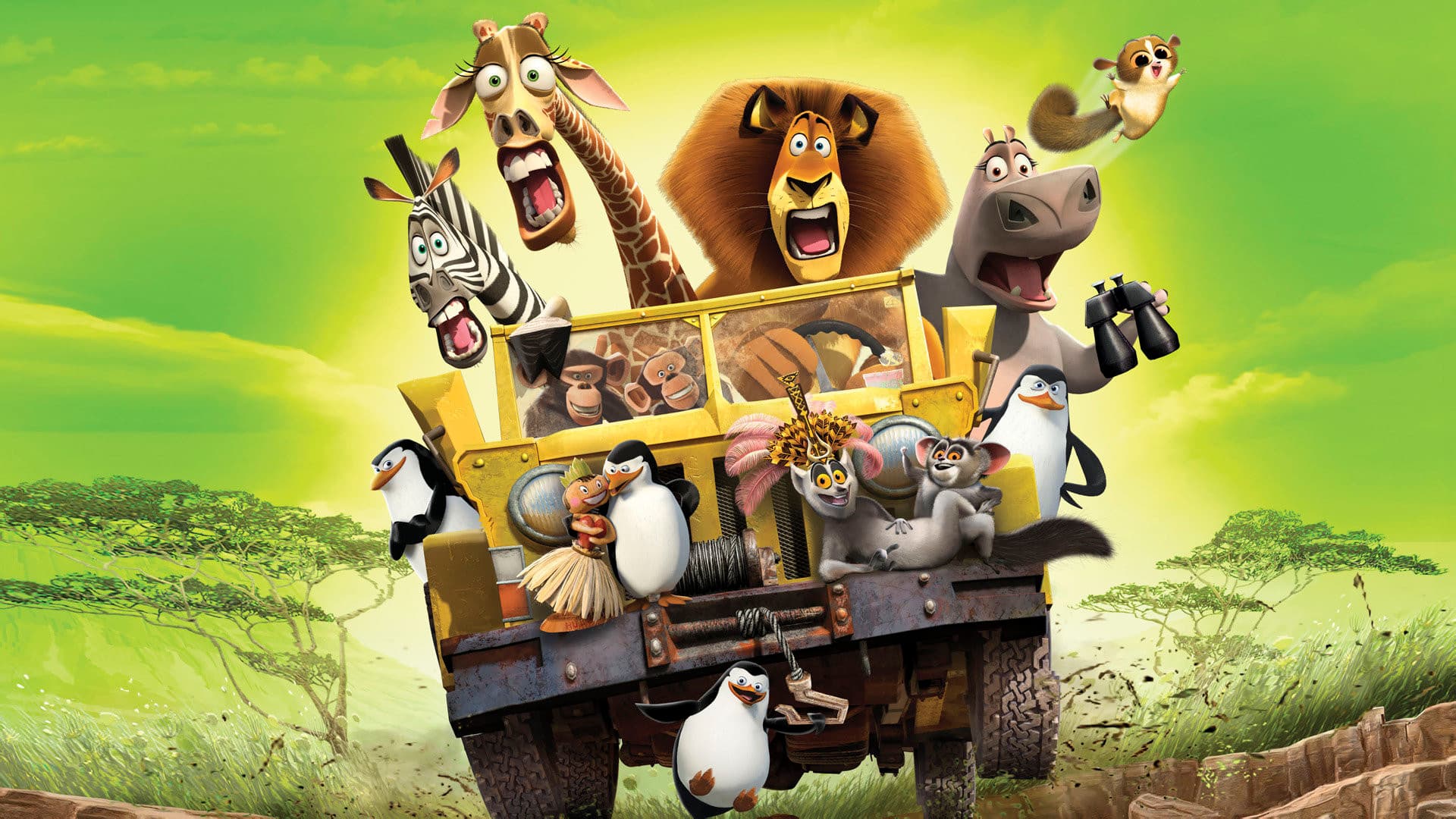
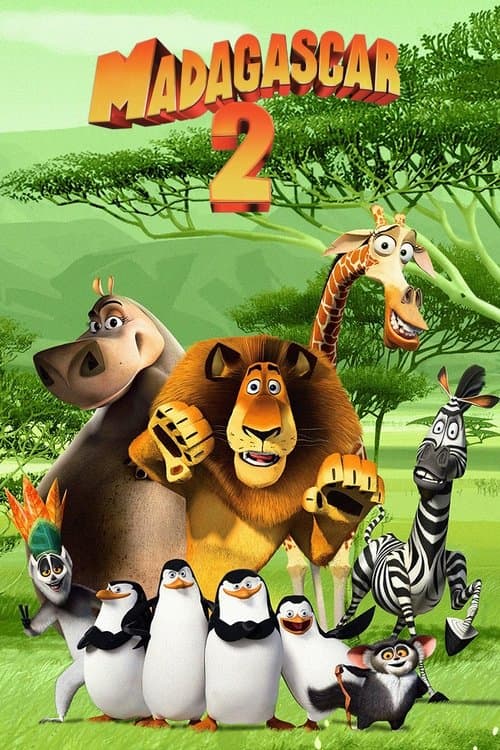
Madagascar 2 is a family animated comedy with an overall cheerful and lively atmosphere, punctuated by sequences that are more intense than in the first instalment. The plot follows a group of animals who, whilst attempting to reach New York by plane, find themselves stranded on the African continent and confronted with their origins. The film primarily targets children from six or seven years old, but parents of very young children should be aware that it contains several scenes that may be distressing for the smallest viewers.
Violence
Violence is the most notable aspect to flag for parents. The film opens with the abduction of a lion cub by poachers, a brief but emotionally charged sequence. It then contains several physical confrontations between lions: wrestling fights, blows, projections against rocks, with an intensity that far exceeds the usual slapstick register of the genre. The most atypical scene features an elderly woman fighting a lion with repeated punches, in a comedic register but visually brutal. A lion is injured on the ear by a hunter, with visible blood and part of the ear torn off. These moments are framed by the tone of comedy, which diminishes their impact, but does not render them invisible to sensitive children. Conversely, the violence is not gratuitous in that it serves clear narrative stakes, notably the confrontation between good and evil within the animal community.
Parental and Family Portrayals
The father-son relationship is at the heart of the narrative and constitutes one of its strongest emotional drivers. Zuba's father believes his son has been dead since childhood, and the reunion between the two characters is treated with genuine sincerity. This dynamic offers a concrete opportunity to discuss with a child matters of lineage, paternal pride and the expectations that fathers may project onto their children. The father figure oscillates between the rigidity linked to his status as a leader and a deep affection, making him a nuanced character rather than a one-dimensional model.
Underlying Values
The film carries a central message about family and belonging, valuing self-acceptance rather than conforming to a group's expectations. This arc is sincere and well integrated into the narrative. However, certain sub-themes merit closer scrutiny: collective solidarity is invoked in the resolution of the water crisis, but in a fairly superficial manner. The question of group conformity, notably through the integration rituals imposed on Alex to be recognised as a lion, constitutes interesting terrain to explore with a child, without the film itself drawing a truly decisive moral from it.
Sex and Nudity
The film contains several light allusions to sexuality, chiefly around the character of the hippopotamus Gloria, whose silhouette is explicitly commented upon by a male suitor. These remarks, treated in comedic fashion, implicitly convey the idea that the female body is an object of evaluation and competition among males. The ribald humour also includes a few scatological gags and coarse behaviour. Nothing explicit, but the whole constitutes a set of allusions that parents of young children will probably wish to note.
Social Themes
In the background, the film addresses the question of tribe and cultural belonging: animals born and raised in a New York zoo attempt to reintegrate into their natural African environment, with a sense of misfitting that the narrative treats lightly but which remains readable. The presence of poachers and the destruction of a dam introduce very rudimentary issues around the relationship between humans and nature, without the film developing these elements beyond narrative pretext.
Strengths
The film maintains its pace with efficiency and offers several moments of well-executed physical comedy that work for the whole family. The emotional arc around the father-son reunion is treated with a sincerity that pleasantly contrasts with the buffoonish tone of the rest of the narrative. Secondary characters, notably the penguins and the monkeys, are exploited with a genuine sense of comic timing. For a young audience, the film has the merit of raising questions of identity and belonging in an accessible manner, even if the writing does not push them as far as it might.
Age recommendation and discussion points
The film is suitable from six years old for children who are not particularly sensitive, rather seven or eight years old for fully serene viewing, notably because of the sequences of physical violence and the lion cub abduction scene at the opening. After viewing, two angles are worth exploring with the child: what Alex feels when his father expects him to be someone he is not, and why comments about Gloria's body raise laughs in the film when they would not be tolerated in real life.
Synopsis
Alex, Marty, and other zoo animals find a way to escape from Madagascar when the penguins reassemble a wrecked airplane. The precariously repaired craft stays airborne just long enough to make it to the African continent. There the New Yorkers encounter members of their own species for the first time. Africa proves to be a wild place, but Alex and company wonder if it is better than their Central Park home.
About this title
- Format
- Feature film
- Year
- 2008
- Runtime
- 1h 35m
- Countries
- United States of America
- Original language
- EN
- Studios
- DreamWorks Animation, Pacific Data Images
Content barometer
- Violence3/5Notable
- Fear3/5Notable tension
- Sexuality1/5Allusions
- Language1/5Mild
- Narrative complexity1/5Accessible
- Adult themes0/5None
Watch-outs
- Death
- Gender stereotypes
Values conveyed
- Acceptance of difference
- Loyalty
- friendship
- family
- self acceptance
- teamwork