
maboroshi
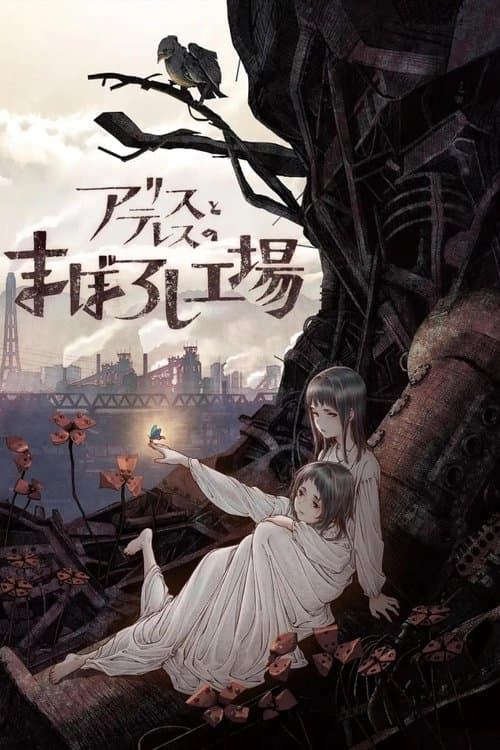
アリスとテレスのまぼろし工場
Does this age rating seem accurate to you?
Detailed parental analysis
Maboroshi is a Japanese animated film with a contemplative and melancholic atmosphere, oscillating between adolescent drama and dreamlike fantasy. The plot follows a young girl who finds herself in a town mysteriously frozen in time following a train accident, and attempts to understand what keeps this suspended world in place. The film is primarily aimed at adolescents and young adults who are attuned to dense emotional registers and demanding symbolic storytelling.
Underlying Values
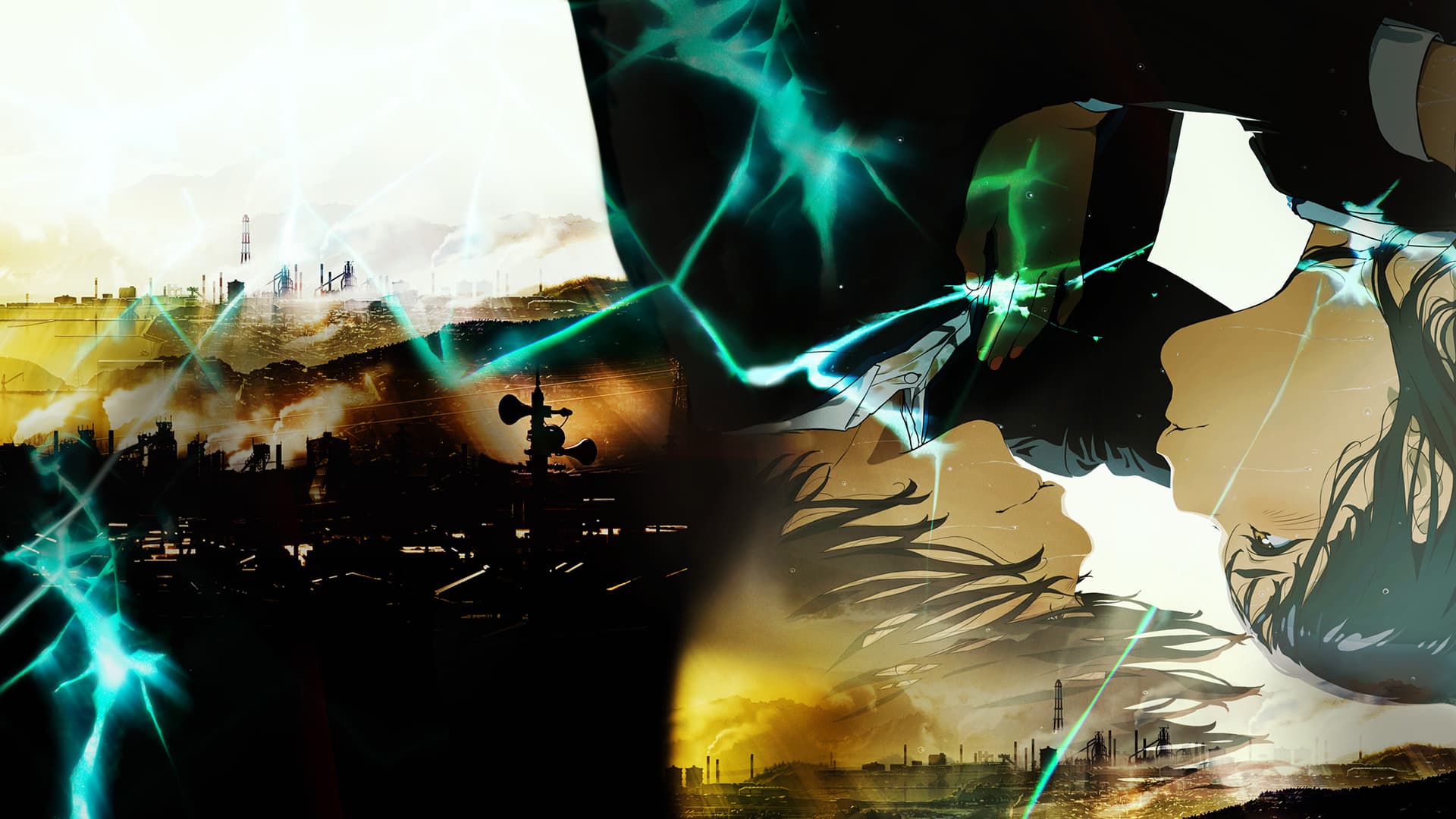
The film contains sequences of a fantastic nature in which characters are consumed by creatures of smoke after their bodies crack and split with light. These images are visually striking and may be disturbing for sensitive children or pre-adolescents, even if they remain within the symbolic register rather than the graphic. A scene showing an adolescent girl falling from a moving train, with visible impact and bleeding from the head, constitutes the most direct moment of physical violence. The violence is not gratuitous: it is functional to the narrative and laden with meaning, but its emotional intensity is real.
Violence
The film contains sequences of a fantastic nature in which characters are consumed by creatures of smoke after their bodies crack and split with light. These images are visually striking and may be disturbing for sensitive children or pre-adolescents, even if they remain within the symbolic register rather than the graphic. A scene showing an adolescent girl falling from a moving train, with visible impact and bleeding from the head, constitutes the most direct moment of physical violence. The violence is not gratuitous: it is functional to the narrative and laden with meaning, but its emotional intensity is real.
Sex and Nudity
Male adolescent characters pepper the film with remarks of sexual connotation. These remarks are presented as a form of social bravado among boys and are not subject to explicit valorisation, but their repeated presence warrants anticipation, particularly for children younger than the intended audience. There is no nudity or sexual scenes.
Substances
Adults smoke cigarettes and consume alcohol on screen. These behaviours are not subject to particular glamorous staging and remain rooted in underlying realism, without being promoted as models.
Social Themes
The film constructs a world where an entire community lives outside real time, cut off from the outside without having chosen it. This situation of forced isolation, suspended life and collective resignation resonates with real societal issues: collective grief, acceptance of immobility, the temptation to remain in a comfortable in-between rather than face the unknown. These thematic layers are present without being didactic, which makes them accessible to discussion without heaviness.
Strengths
The film offers visually refined animation and artistic direction that is coherent in its treatment of the frozen world. Its true merit is emotional in nature: it addresses grief, nascent romantic feeling and the courage to traverse uncertainty with genuine sensitivity. The writing deliberately chooses not to explain everything, which may frustrate part of the audience but opens a rare space for reflection and interpretation in animated cinema for adolescents. For a teenager ready to engage with it, this is a film that promotes inner dialogue more than it delivers answers.
Age recommendation and discussion points
The film is not recommended before the age of 12 due to its emotional complexity and certain disturbing sequences, and is experienced more smoothly from the age of 14 onwards, an age at which its discourse on feeling and identity finds a natural echo. Two angles of discussion become necessary after viewing: why does the film make the survival of an entire world rest on the love of two adolescents, and what does this say about the pressure that society places on young people; and how does one feel in the face of a narrative that deliberately refuses to explain everything?
Synopsis
A factory explosion plunges a small town into a timeless freeze, leaving teenage Masamune and his pals to grapple with a quickly collapsing reality.
Where to watch
Availability checked on Apr 26, 2026
About this title
- Format
- Feature film
- Year
- 2023
- Runtime
- 1h 52m
- Countries
- Japan
- Original language
- JA
- Directed by
- Mari Okada, Seimei Kidokoro
- Main cast
- Junya Enoki, Reina Ueda, Misaki Kuno, Koji Seto, Kento Hayashi, Taku Yashiro, Tasuku Hatanaka, Daiki Kobayashi, Ayaka Saito, Maki Kawase
- Studios
- MAPPA, Warner Bros. Japan, dentsu, KADOKAWA, Cygames, Bushiroad, movic, LEGS, NatureLab, Mainichi Shimbun, Lawson
Content barometer
- Violence2/5Moderate
- Fear3/5Notable tension
- Sexuality1/5Allusions
- Language2/5Moderate
- Narrative complexity3/5Complex
- Adult themes1/5Mild
Values conveyed
- Courage
- Friendship
- Acceptance of difference
- Autonomy
- cooperation
- resilience