
My Life as a Zucchini
My Life as a Zucchini
Your feedback improves this guide
Your feedback highlights guides that need a second look and keeps the rating trustworthy.
Does this age rating seem accurate to you?
Sign in to vote
Watch-outs
What this film brings
Content barometer
Violence
2/5
Moderate
Fear
2/5
A few scenes
Sexuality
1/5
Allusions
Language
1/5
Mild
Narrative complexity
2/5
Moderate
Adult themes
4/5
Strong
Expert review
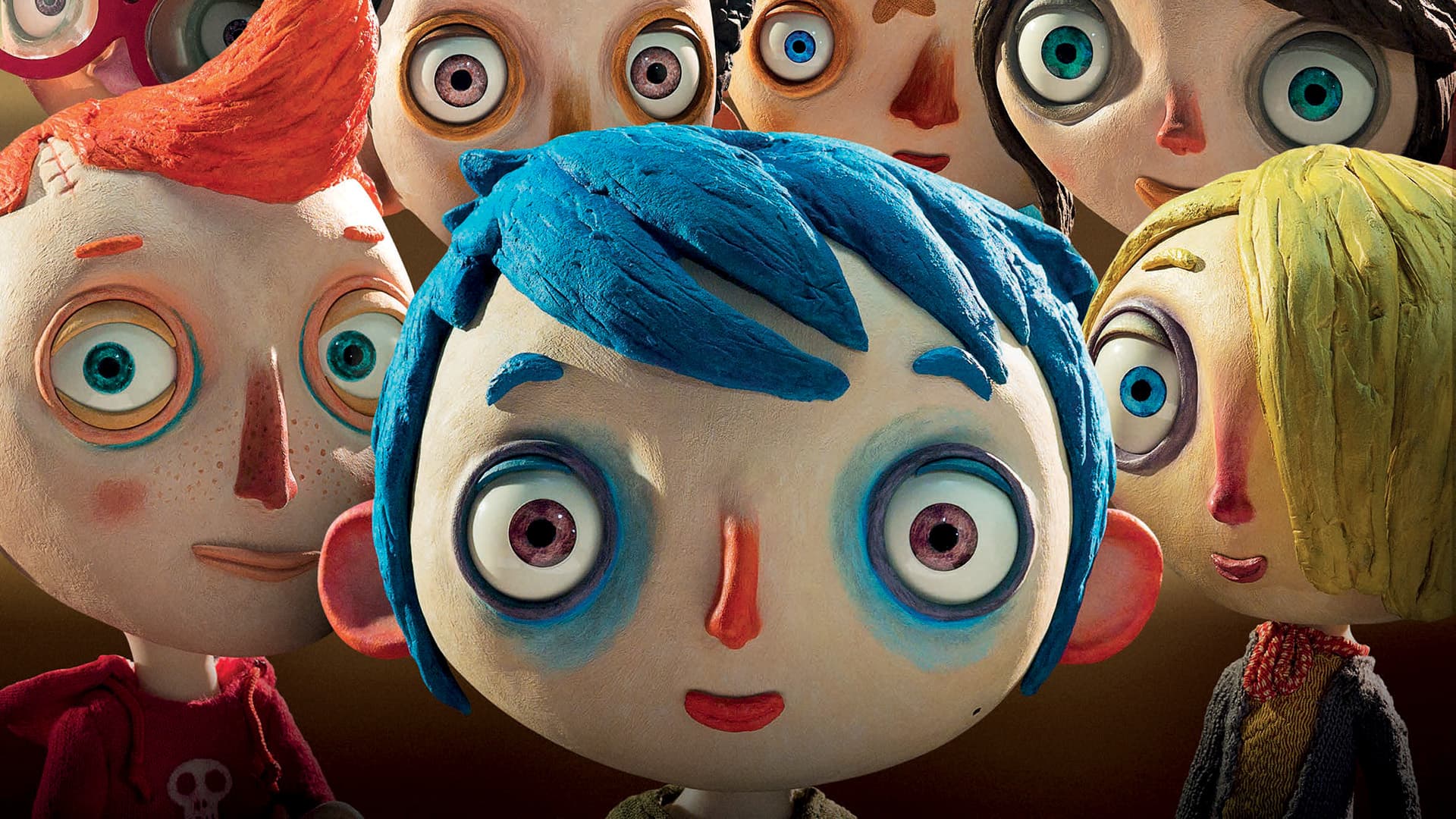
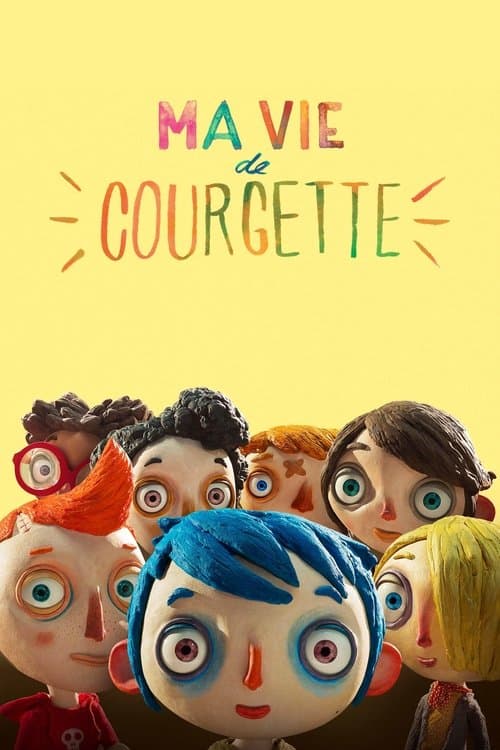
This stop motion animated film looks gentle and child friendly on the surface, yet it tells a story shaped by loss, neglect and emotional healing. Sensitive material includes the accidental death of the main boy's mother, threats of physical abuse toward a child, parental alcoholism, teasing between children, and several spoken references to very painful family histories, including murder, prison, drugs and sexual abuse. The presentation is restrained and not graphic, but these themes are central to the story and return regularly through conversation and emotional context. For many children, the sadness and emotional weight will matter more than the limited on screen violence. I would recommend it mainly from age 9, or from 8 with close adult support, especially if a parent is ready to talk about grief, unsafe adults and the importance of caring relationships.
Synopsis
After his mother’s death, Zucchini is befriended by a kind police officer, Raymond, who accompanies him to his new foster home filled with other orphans his age. There, with the help of his newfound friends, Zucchini eventually learns to trust and love as he searches for a new family of his own.
Difficult scenes
At the start of the film, Zucchini lives alone with an alcoholic and threatening mother. When she comes upstairs saying she is going to beat him, he shuts the attic door in panic, causing her fatal fall. The scene is not graphic, but it can be upsetting because a child is caught in the death of a parent during an abusive situation. After he arrives at the children's home, the kids talk about what happened to their families, and several backstories are very heavy despite the simple tone. The film mentions prison, drugs, deportation, murder and incest, without visual detail, but clearly enough that younger viewers may ask difficult questions afterward. Camille's arrival introduces another traumatic family history, because the boys learn that she witnessed her father kill her mother and then kill himself. This is delivered through a file rather than a shown scene, yet the subject matter is especially intense on an emotional level. Camille's aunt is presented as a self interested and verbally harsh adult who seems motivated more by money than care. Her cruel words and intimidating behavior may trouble young viewers, because they extend the film's idea that some adults who should protect children can instead feel unsafe.
Where to watch
Availability checked on Apr 03, 2026
About this title
- Format
- Feature film
- Year
- 2016
- Runtime
- 1h 6m
- Countries
- France, Switzerland
- Original language
- FR
- Directed by
- Claude Barras
- Main cast
- Gaspard Schlatter, Sixtine Murat, Paulin Jaccoud, Michel Vuillermoz, Raul Ribera, Estelle Hennard, Elliot Sanchez, Lou Wick, Brigitte Rosset, Natacha Koutchoumov
- Studios
- Gébéka Films, Rita Productions, Blue Spirit, KNM, RTS, SRG SSR, Auvergne-Rhône-Alpes Cinéma, France 3 Cinéma, Hélium Films
Content barometer
Violence
2/5
Moderate
Fear
2/5
A few scenes
Sexuality
1/5
Allusions
Language
1/5
Mild
Narrative complexity
2/5
Moderate
Adult themes
4/5
Strong
Expert review
This stop motion animated film looks gentle and child friendly on the surface, yet it tells a story shaped by loss, neglect and emotional healing. Sensitive material includes the accidental death of the main boy's mother, threats of physical abuse toward a child, parental alcoholism, teasing between children, and several spoken references to very painful family histories, including murder, prison, drugs and sexual abuse. The presentation is restrained and not graphic, but these themes are central to the story and return regularly through conversation and emotional context. For many children, the sadness and emotional weight will matter more than the limited on screen violence. I would recommend it mainly from age 9, or from 8 with close adult support, especially if a parent is ready to talk about grief, unsafe adults and the importance of caring relationships.
Synopsis
After his mother’s death, Zucchini is befriended by a kind police officer, Raymond, who accompanies him to his new foster home filled with other orphans his age. There, with the help of his newfound friends, Zucchini eventually learns to trust and love as he searches for a new family of his own.
Difficult scenes
At the start of the film, Zucchini lives alone with an alcoholic and threatening mother. When she comes upstairs saying she is going to beat him, he shuts the attic door in panic, causing her fatal fall. The scene is not graphic, but it can be upsetting because a child is caught in the death of a parent during an abusive situation. After he arrives at the children's home, the kids talk about what happened to their families, and several backstories are very heavy despite the simple tone. The film mentions prison, drugs, deportation, murder and incest, without visual detail, but clearly enough that younger viewers may ask difficult questions afterward. Camille's arrival introduces another traumatic family history, because the boys learn that she witnessed her father kill her mother and then kill himself. This is delivered through a file rather than a shown scene, yet the subject matter is especially intense on an emotional level. Camille's aunt is presented as a self interested and verbally harsh adult who seems motivated more by money than care. Her cruel words and intimidating behavior may trouble young viewers, because they extend the film's idea that some adults who should protect children can instead feel unsafe.