Lulu Is a Rhinoceros
Does this age rating seem accurate to you?
Detailed parental analysis
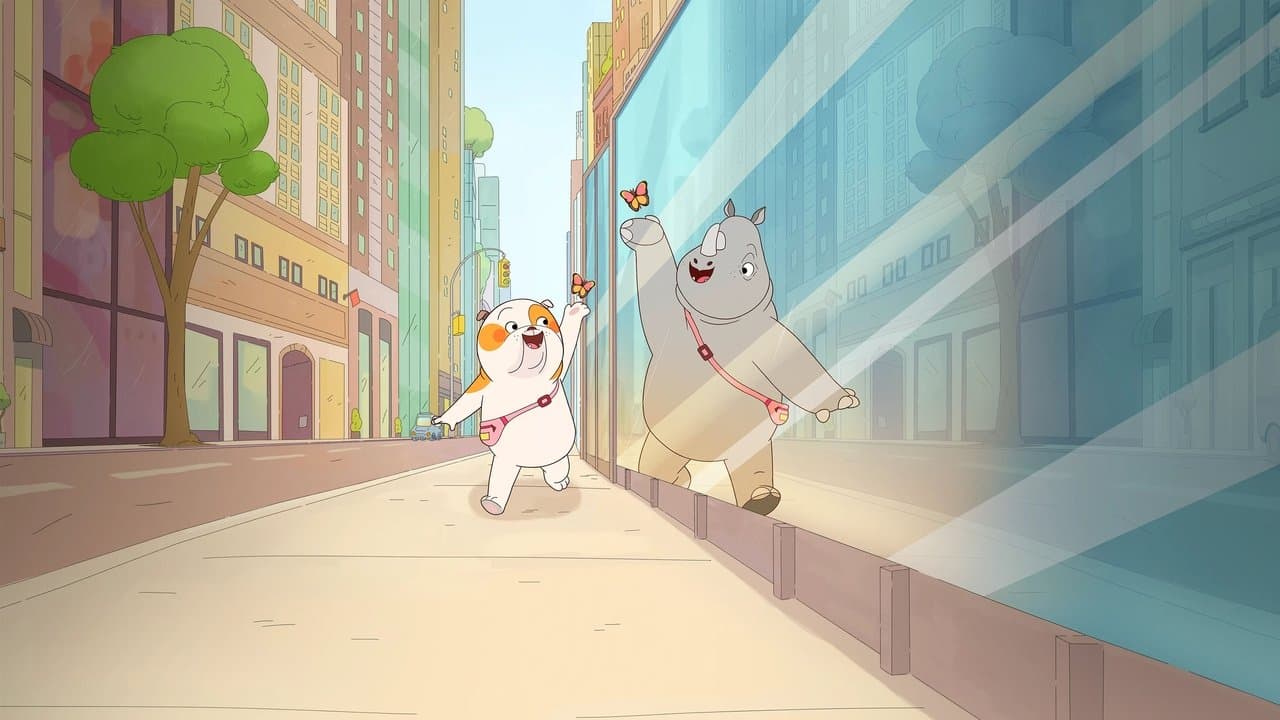
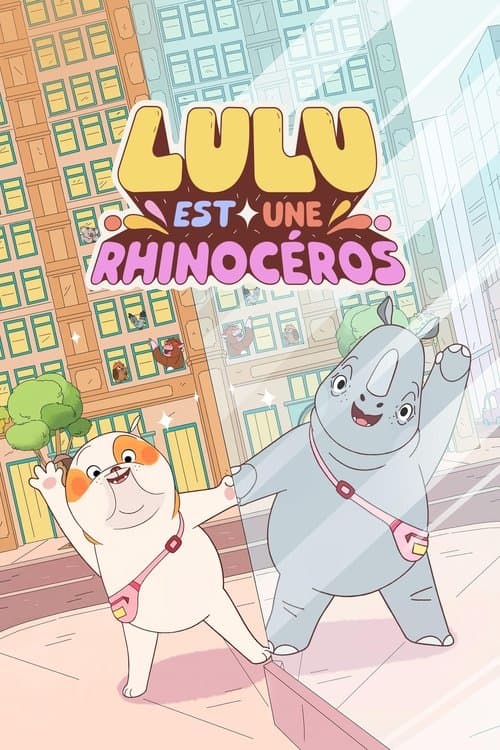
Lulu is a Rhinoceros is a cheerful and colourful animated film, carried along by a light atmosphere and catchy songs. The story follows Lulu, a dog who convinces herself that she is a rhinoceros and sets out in search of a community that will accept her as she perceives herself. The film is primarily aimed at preschool and primary school children, from around 4 or 5 years old.
Underlying Values
The film builds its central message around self-acceptance without external validation: Lulu does not need the majority to recognise her in order to feel legitimate in her identity. This positioning is consistent and well-maintained throughout the narrative. The film also illustrates, in a concrete and accessible way, that repeated rejection can transform someone kind-hearted into someone aggressive, through the character of the pigeon. This is a subtle lesson on the effects of exclusion, rarely addressed with such clarity in a film for very young children. However, the resolution rests on integration into an alternative community rather than reconciliation with those who rejected Lulu, which can open up a useful discussion: finding one's place elsewhere is a valid answer, but not the only possible one.
Social Themes
The film addresses the question of belonging and social exclusion in a direct manner. The scenes of repeated rejection, numbering four in total, give narrative reality to what children who do not feel accepted by their peers experience. The treatment remains gentle and without explicit cruelty, but the repetition of rejection is sufficiently present to resonate emotionally with a child who may have lived through a similar experience.
Strengths
The film succeeds in addressing an inner and abstract subject, felt identity, with concrete tools and visually striking means for very young children. The scene with ice cream cones used as horns is a good example of this ability to embody an idea in the body and gesture rather than in speech. The songs serve the narrative without weighing it down and help make emotions accessible. The character of the pigeon, whose meanness is explained by his own experience of rejection, introduces a psychological nuance rare at this age level and avoids easy manichaeism.
Age recommendation and discussion points
The film is suitable from age 5 for peaceful viewing, though younger children may be sensitive to the scenes of repeated rejection. Two angles of discussion are worth exploring after viewing: why do the other animals refuse to accept Lulu, and is finding a new community always enough to resolve a problem of exclusion?
Synopsis
On a quest to spread kindness, fun-loving Lulu embarks on the adventure of a lifetime, powered by new friends, courage, and catchy songs!
About this title
- Format
- Feature film
- Year
- 2025
- Runtime
- 47m
- Countries
- United States of America
- Original language
- EN
- Studios
- Propagate Content, Bento Box Entertainment
Content barometer
- Violence0/5None
- Fear1/5Mild
- Sexuality0/5None
- Language0/5None
- Narrative complexity0/5Simple
- Adult themes0/5None
Watch-outs
- Bullying
- Mockery
Values conveyed
- Courage
- Friendship
- Acceptance of difference
- Perseverance
- Autonomy
- kindness
- self acceptance