
Luck
Does this age rating seem accurate to you?
Detailed parental analysis
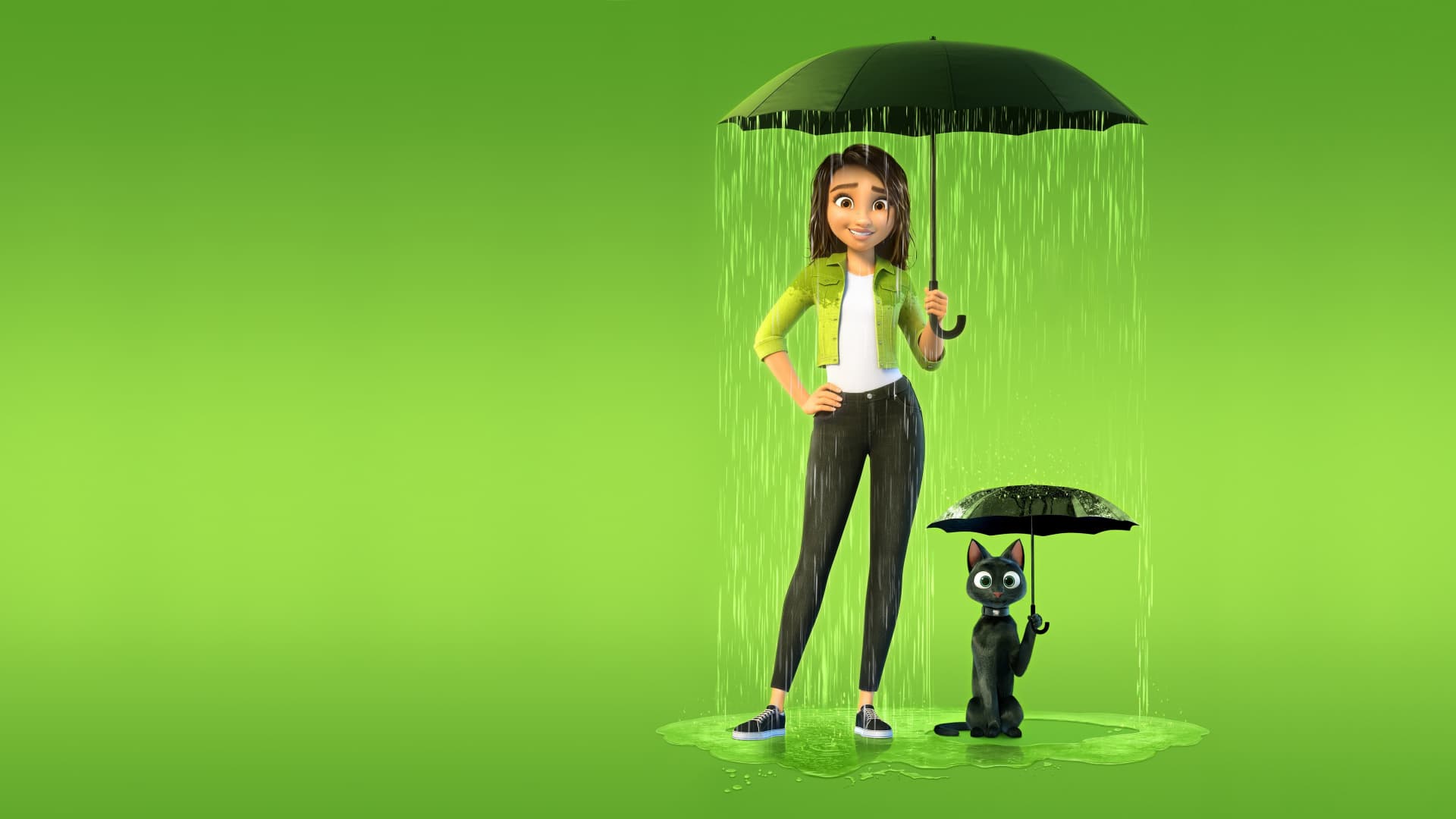
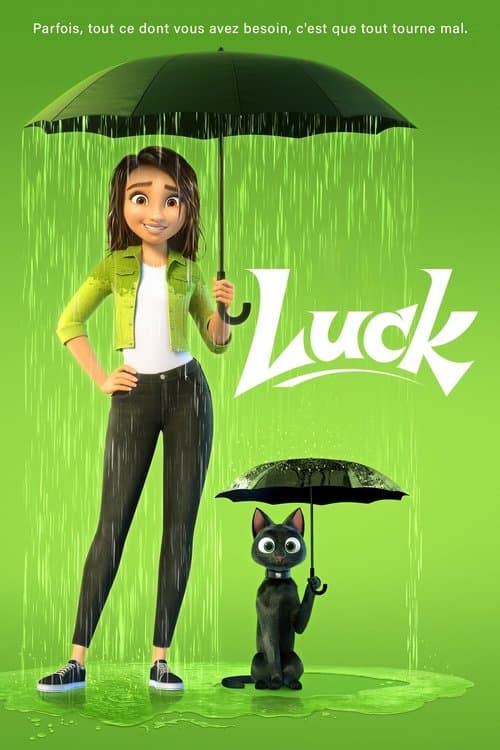
Luck is a whimsical animated film with a colourful and engaging atmosphere that shifts into darker and more unsettling settings as the story unfolds. The film follows Sam, a young adult leaving the child protection system, who accidentally discovers the land of bad luck and attempts to find a way to help her best friend get adopted. The film is aimed primarily at children aged five to ten, with themes and emotional sensitivity that resonate more with younger children than with teenagers.
Parental and Family Portrayals
The film places the question of family at the heart of its message, and does so with uncommon honesty in animation for young children. Sam's repeated rejection by potential adoptive families is shown directly, as is the loneliness of a young woman who grew up without a stable home. The film depicts adoption as an uncertain and sometimes painful process, without concealing its emotional reality. For children affected by foster care or adoption, these scenes may awaken strong emotions and warrant particular attention from parents. The film's resolution offers an expanded definition of family, founded on chosen bonds rather than kinship, which constitutes a powerful message but may also prompt a child to question the value of their own family situation.
Underlying Values
The film consistently argues that luck is not a resource to be hoarded but to be shared, and that true merit lies in concern for others. Sam acts unselfishly throughout the narrative, to the detriment of her own comfort and safety, to help a friend. This generosity is presented as natural and unconditional, making it a strong narrative model. In counterpoint, the film suggests that bad luck is not a punishment but an ordinary condition of existence, which usefully nuances the magical vision of happiness. These elements offer concrete material to explore in conversation after viewing.
Violence
Violence is limited to slapstick physical comedy: falls, collisions, absurd tumbles from which characters emerge unharmed. The land of bad luck is depicted as a dark place populated by creatures with frightening appearances, which may impress the youngest or most sensitive children without constituting constructed narrative violence. There is no serious violence or violent conclusion in the story.
Strengths
The film deserves recognition for its ability to address a delicate subject, that of the child protection system and its fragilities, in a format accessible to young children without softening the emotional edges. The relationship between the two main characters is written with genuine warmth, and the driving force of the narrative, the sacrifice made out of love for a friend, avoids the usual tropes of the chosen hero or earned reward. The result is a film that occasionally lacks momentum in its middle section, but whose emotional intelligence exceeds that of many productions aimed at the same age group.
Age recommendation and discussion points
The film is suitable from age five onwards for children watching with a parent, and better suited from age six or seven for viewing without particular preparation. Two angles of discussion are worth exploring after the film: why does Sam take so many risks for someone else, and what does it mean to build a family without being born into one?
Synopsis
Suddenly finding herself in the never-before-seen Land of Luck, the unluckiest person in the world must unite with the magical creatures there to turn her luck around.
About this title
- Format
- Feature film
- Year
- 2022
- Runtime
- 1h 37m
- Countries
- Spain, United States of America
- Original language
- EN
- Studios
- Skydance Animation, Skydance Animation East, Skydance Animation
Content barometer
- Violence1/5Mild
- Fear2/5A few scenes
- Sexuality0/5None
- Language0/5None
- Narrative complexity1/5Accessible
- Adult themes0/5None
Watch-outs
- Grief
- Death / grief
Values conveyed
- Friendship
- Acceptance of difference
- Perseverance
- Compassion
- teamwork
- empathy