Luce and the Rock
Does this age rating seem accurate to you?
Detailed parental analysis
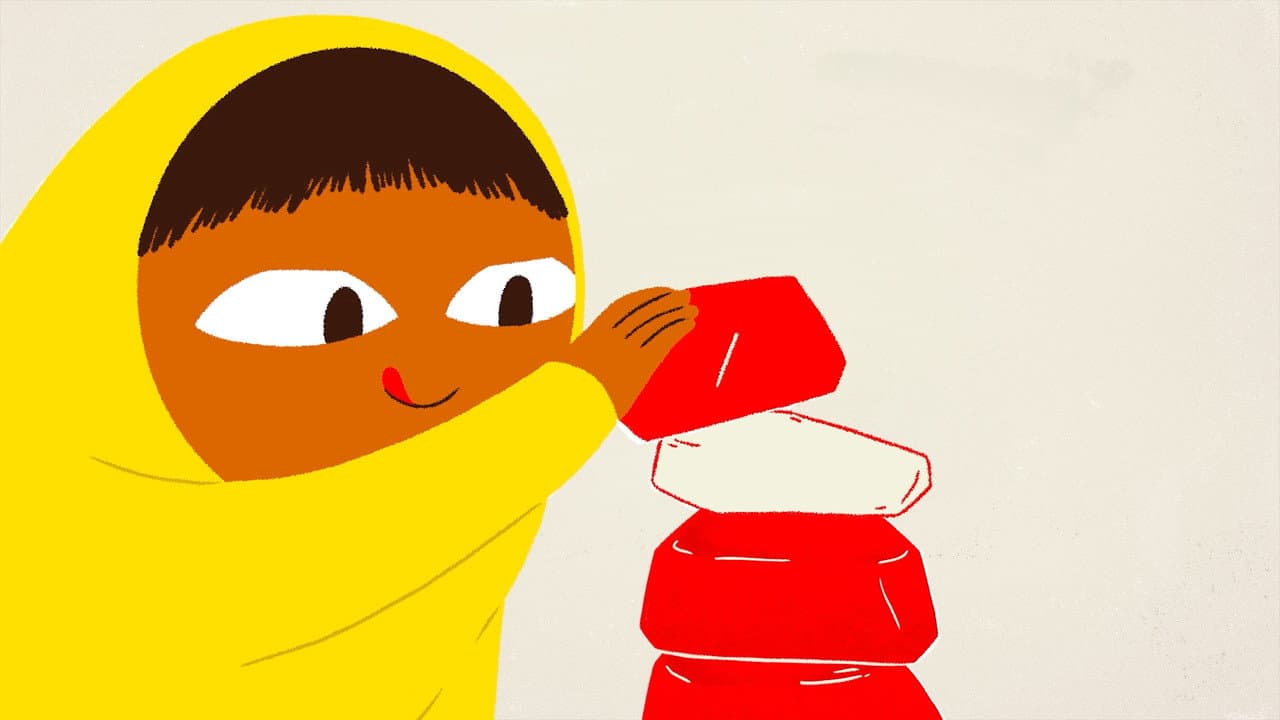
Luce and the Rock is a contemplative and luminous animated short film with a bittersweet atmosphere, which tells the unexpected encounter between a brave young girl and an imposing figure whose true nature will shake the certainties of the entire village. The narrative is almost entirely visual, without spoken dialogue, which makes it a sensory and emotional experience before an intellectual one. The film is primarily aimed at young children from four years old, whilst also offering the adults who accompany them rich material for conversation.
Underlying Values
The film methodically constructs a message about the transformation of perspective: what frightens us is not necessarily what threatens us, and collective fear can lead to unjust acts. The revelation that the giant rock is in fact a helpless baby overturns the entire narrative logic and invites the child to reconsider their own hasty judgements. Autonomy is presented as an achievement directly linked to overcoming fear, which is a structuring and healthy message. Luce's initial motivation, born of anger rather than generosity, is a precious narrative detail: it shows that a brave act can stem from an imperfect impulse and yet lead to something just.
Parental and Family Portrayals
Luce's mother is briefly present as a benevolent and anxious figure, offering a reassuring emotional anchor to the narrative. She is neither absent nor intrusive: she represents the home to which the child can return after taking risks. This discreet yet warm parental portrait complements the theme of progressive autonomy without ever contradicting it.
Social Themes
The film depicts a village community that hunts out of fear what it does not understand, even going so far as to throw stones at a being who cries in response. This mechanism of collective rejection in the face of the unknown is represented with sufficient clarity to be readable by a young child, without being didactic or moralising. It naturally opens a conversation about how a crowd can be mistaken and about the value of one who chooses to look differently.
Strengths
The almost total absence of dialogue is a bold artistic gamble that works: the film trusts the image and the child to construct meaning without verbal mediation. This visual narrative develops attention, the reading of emotions through the body and graphic expression, which makes it a rare pedagogical object. The structure of the narrative reversal, well-balanced, offers genuine and not artificial emotional satisfaction. The film has the sobriety of good short stories: it never over-explains.
Age recommendation and discussion points
The film is suitable from four years old, without major reservations for children who tolerate slightly unsettling night-time sequences. Two angles of discussion are worth pursuing after viewing: ask the child why the villagers were afraid and whether their fear was justified, then ask them what changed in Luce's perspective and how she found the courage to go and see for herself.
Synopsis
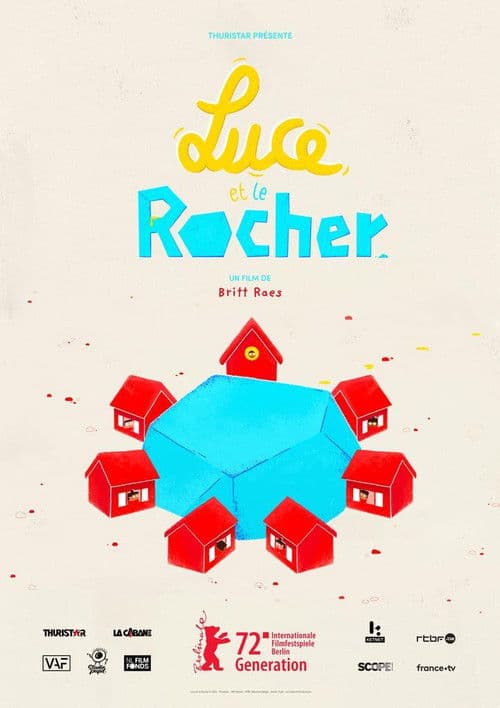
Colourfully composed, geometric images tell the magical story of Luce, the only child in a small village, and of the friendship with a boulder. One day, it rolls off the mountain into the middle of the village's community square. While the adults are at a loss, Luce discovers the child in a rock. Cinematic art off the beaten track, challenging and smart.
About this title
- Format
- Short film
- Year
- 2022
- Runtime
- 13m
- Countries
- Belgium, France, Netherlands
- Original language
- FR
- Studios
- La Cabane Productions, Thuristar, Studio Pupil
Content barometer
- Violence1/5Mild
- Fear2/5A few scenes
- Sexuality0/5None
- Language0/5None
- Narrative complexity0/5Simple
- Adult themes0/5None
Values conveyed
- Courage
- Acceptance of difference
- Compassion
- Autonomy
- friendship
- acceptance
- empathy