Luca
Does this age rating seem accurate to you?
Detailed parental analysis
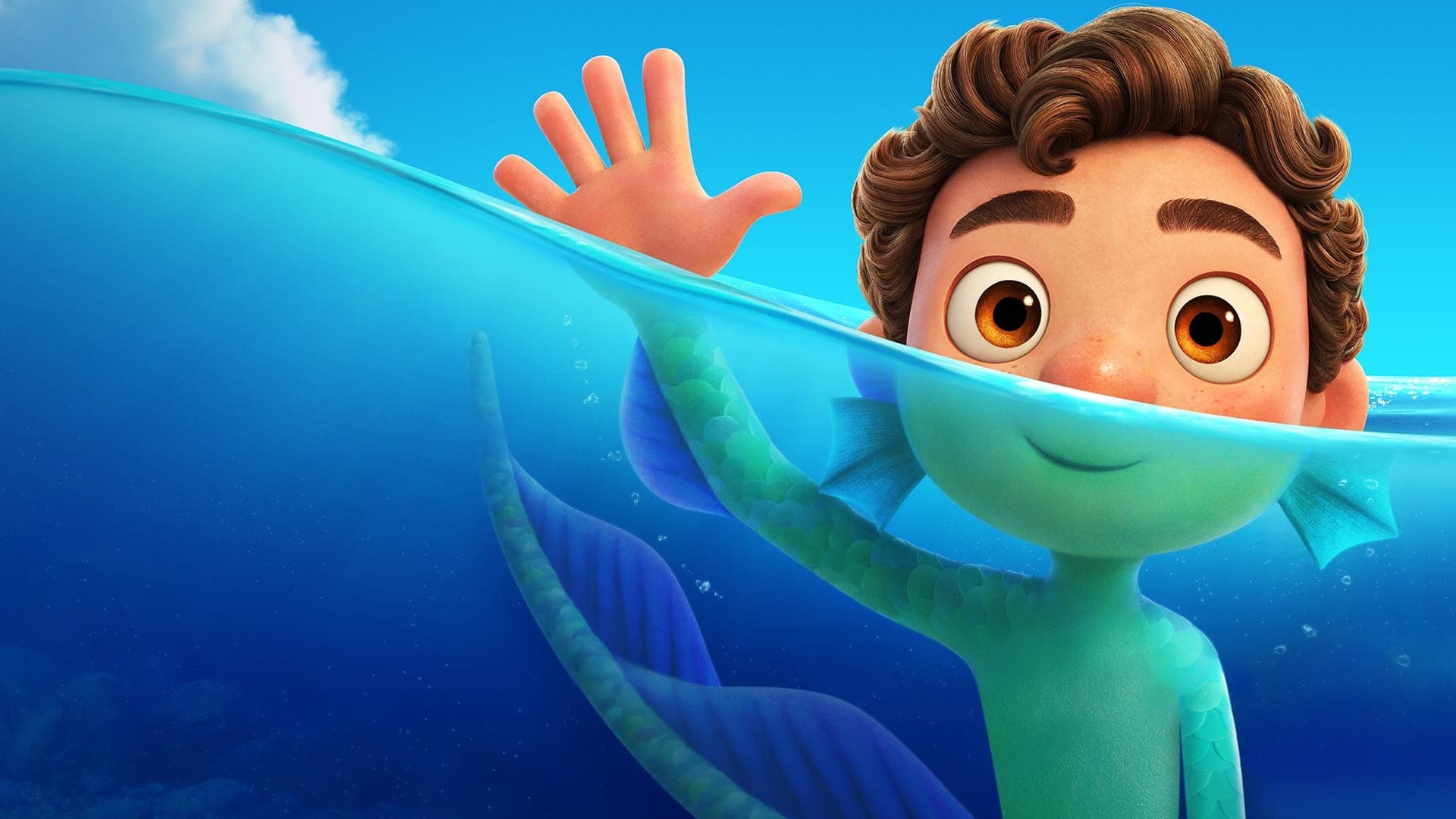
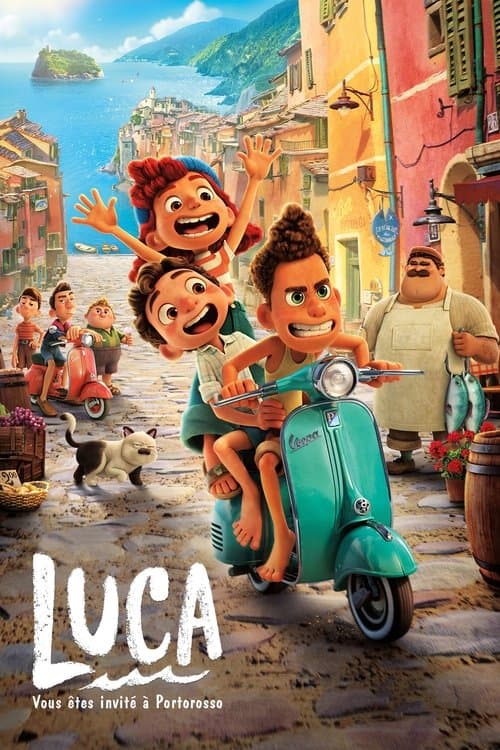
Luca is a Pixar animated film with a luminous, summery atmosphere, carried along by nostalgia for childhood and the warmth of an Italian Mediterranean setting. The plot follows a young sea-monster boy who discovers the terrestrial world in the company of a friend, seeking to live an adventure his family forbids him from having. The film is primarily aimed at children from the age of 6 or 7 onwards, but its sensitivity and themes of belonging also resonate with older audiences.
Underlying Values
The film builds its narrative around self-acceptance and difference, but not in an abstract way: it shows two children learning not to be ashamed of what they are in the face of a hostile environment. Disobedience is a central driver of the story, with Luca explicitly transgressing parental rules to live out his dreams. The film treats it with kindness without truly questioning it, which is worth discussing with a child. In parallel, the narrative also values the courage to be honest with those we love, and the scene of betrayal between the two friends introduces a welcome nuance: friendship can be wounded, and then repaired.
Parental and Family Portrayals
Parental figures occupy an important and contrasting place. Luca's parents are protective to the point of suffocation, and their initial reaction to their son's difference is rejection and punishment, even though their trajectory leads them towards acceptance. Even more striking: Alberto's father has simply disappeared, abandoning him alone on an island for years. This absence is not treated as a clinical trauma, but it weighs on the character and constitutes one of the film's heaviest notes. These two models, overprotection on one side and abandonment on the other, offer rich ground for discussion with children about what it means to be well cared for.
Violence
Violence remains largely light and comedic in register, but a few sequences step outside the strictly children's frame. Harpoons reappear several times as a real threat to the main characters, and the tension linked to the discovery of their true nature creates moments of genuine peril. The scene in which Luca strikes his uncle's heart in his transparent chest may surprise the youngest viewers. Nothing graphic or gory, but moments of credible danger that can generate anxiety in sensitive children under 6 years old.
Discrimination
The film's central metaphor rests on the concealment of a different identity in an environment that would reject it. The character of antagonist Ercole embodies harassment and intimidation in a direct form: he pushes, threatens, humiliates younger children, and his behaviour is never ambiguous. The film does not stereotypically pigeonhole as such, but it stages in explicit fashion the fear of being rejected for what one is, which can resonate strongly with children living a similar experience.
Language
The film contains a few mild insults in Italian and English, in the register of 'stupido', 'idioti' or 'jerk'. The tone remains that of a family comedy and no word exceeds the threshold of what a 6-year-old child probably does not already know. This does not warrant a particular warning, but an attentive child will note these terms and might reuse them.
Strengths
The film shines through the precision and generosity of its visual setting: the Italian Riviera of the 1950s is reconstructed with a care for detail that goes beyond mere backdrop and contributes to the emotional impact. The relationship between Luca and Alberto is written with rare emotional accuracy, particularly in the betrayal scene and its resolution, which avoid easy sentimentality. The ending, deliberately melancholic, takes the risk of not resolving everything neatly, which gives the film an unusual depth for this format. It is also one of the rare animated films to address parental abandonment without softening the pain of the character in question.
Age recommendation and discussion points
The film is perfectly suitable from the age of 6 onwards, with particular attention for anxious children or those who have experienced separation, sensitive to the theme of abandonment and the emotionally charged ending. Two angles of discussion are worth opening up after viewing: ask the child what he thinks of Luca's decision to disobey his parents in order to realise his dream, and explore with him what he would have felt in Alberto's place during the betrayal scene.
Synopsis
Luca and his best friend Alberto experience an unforgettable summer on the Italian Riviera. But all the fun is threatened by a deeply-held secret: they are sea monsters from another world just below the water’s surface.
About this title
- Format
- Feature film
- Year
- 2021
- Runtime
- 1h 35m
- Countries
- United States of America
- Original language
- EN
- Studios
- Pixar
Content barometer
- Violence1/5Mild
- Fear2/5A few scenes
- Sexuality0/5None
- Language1/5Mild
- Narrative complexity3/5Complex
- Adult themes0/5None
Watch-outs
- Bullying
- Mockery
Values conveyed
- Courage
- Friendship
- Acceptance of difference
- Autonomy
- acceptance
- curiosity