
Long Way North
Does this age rating seem accurate to you?
Detailed parental analysis
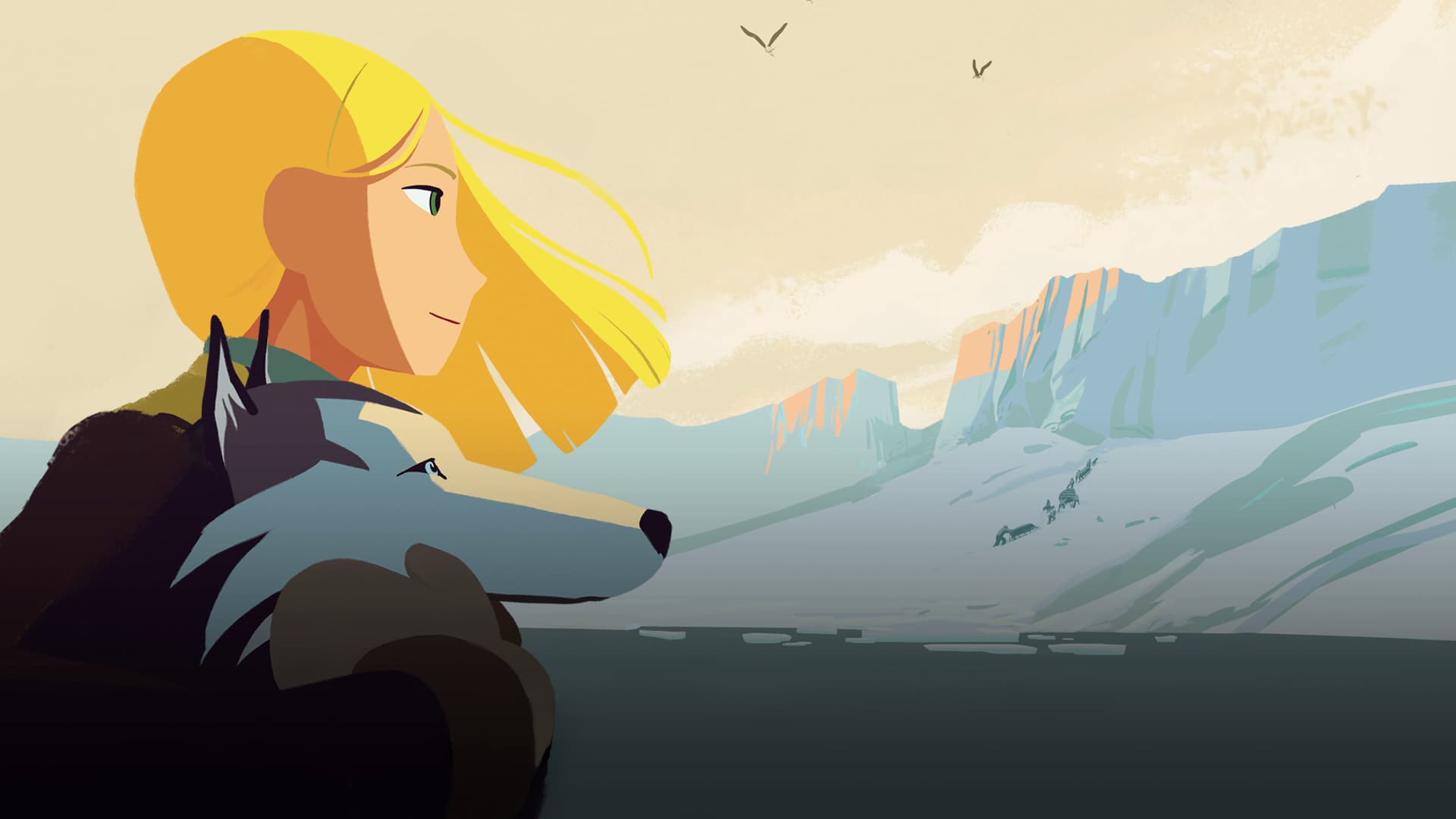
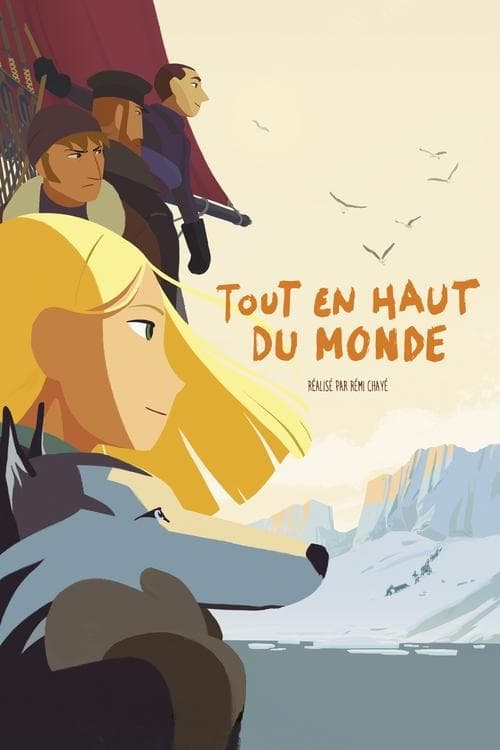
At the Top of the World is an animated adventure film with a contemplative and epic atmosphere, bathed in the vast frozen expanses of the Arctic. The plot follows Sacha, a young Russian aristocrat from the nineteenth century who sets out in search of her grandfather, an explorer who disappeared in the ice of the Far North. The film is primarily aimed at children from 8-10 years old and pre-adolescents, but its measured pace and visual sensitivity can equally move adults.
Underlying Values
The narrative is entirely structured around Sacha's emancipation from a society that assigns her a passive role. She refuses an arranged marriage, defies family and social authority, and asserts herself in a man's world through her competence and determination. This message of female autonomy is strong and coherent, never caricatural. It deserves to be discussed with children, not to qualify it, but to anchor it in its historical context and open reflection on what it means to choose one's own path against the wishes of those one loves. The film also values perseverance in the face of collective doubt, without ever falling into triumphant individualism: Sacha succeeds because she also knows how to listen and rely on others.
Parental and Family Portrayals
Sacha's father is a figure of benevolent authority but confined within the social conventions of his milieu. He loves his daughter and seeks to protect her, but this protection takes the form of control that stifles. The father-daughter relationship is treated with nuance: he is neither a tyrant nor a model, but a man limited by his era. The absent grandfather, meanwhile, is an idealised figure and driving force of the narrative, present through his journals and his dreams of exploration. This tension between the constraining paternal figure and the liberating grand-paternal figure is a central emotional spring of the film.
Social Themes
The film takes place in late nineteenth-century Imperial Russia and presents, without didacticism, a rigid class society where social rank determines each person's possibilities. The condition of sailors, workers of the North and women of the aristocracy is sketched with accuracy. This historical context can serve as a point of entry for discussing with children social inequalities and the way societies evolve.
Violence
The film contains a striking scene: the discovery of the grandfather's body frozen in the ice. The image is sober, not graphic, but real in its emotional weight. It may surprise younger children, less through its visual intensity than through what it signifies. The rest of the film contains no violence as such, but the conditions of survival in the Arctic generate a diffuse tension and danger that maintain sustained dramatic pressure.
Strengths
The film impresses through the coherence and beauty of its visual universe, with a cold and luminous colour palette that captures the immensity and rigour of the Far North without ever lapsing into gratuitous spectacle. The narration is patient, which is rare for a film intended for young audiences: it trusts in the intelligence of the young viewer and does not underline its effects. The character of Sacha is written with real depth, her doubts and impulses are credible, and her narrative arc avoids the usual shortcuts of the genre. The film also conveys a sensitivity to exploration, nature and transmission between generations that gives it lasting pedagogical and emotional value.
Age recommendation and discussion points
The film is accessible from 8 years old, with parental guidance recommended for younger children in the face of the frozen body scene and the tension of the Arctic sequences. From 10 years old, it can be watched quite serenely. Two angles of discussion are worth pursuing after viewing: why did the adults around Sacha think they knew better than she did what was good for her, and what does it cost to follow one's own convictions when everyone opposes it.
Synopsis
In 1892 Saint Petersburg, when her explorer grandfather's failure to return from his latest expedition brings dishonour to her aristocratic family, a resilient teenager runs away to follow in his trail in search of his famed ship.
About this title
- Format
- Feature film
- Year
- 2015
- Runtime
- 1h 20m
- Countries
- Denmark, France
- Original language
- FR
- Directed by
- Rémi Chayé
- Main cast
- Christa Théret, Féodor Atkine, Audrey Sablé, Thomas Sagols, Rémi Caillebot, Loïc Houdré, Fabien Briche, Rémi Bichet, Juliette Degenne, Bruno Magne
- Studios
- Maybe Movies, 2 Minutes, Noerlum Studios, France 3 Cinéma, Sacrebleu Productions
Content barometer
- Violence1/5Mild
- Fear2/5A few scenes
- Sexuality0/5None
- Language0/5None
- Narrative complexity2/5Moderate
- Adult themes0/5None
Values conveyed
- Courage
- Perseverance
- Autonomy
- friendship
- loyalty