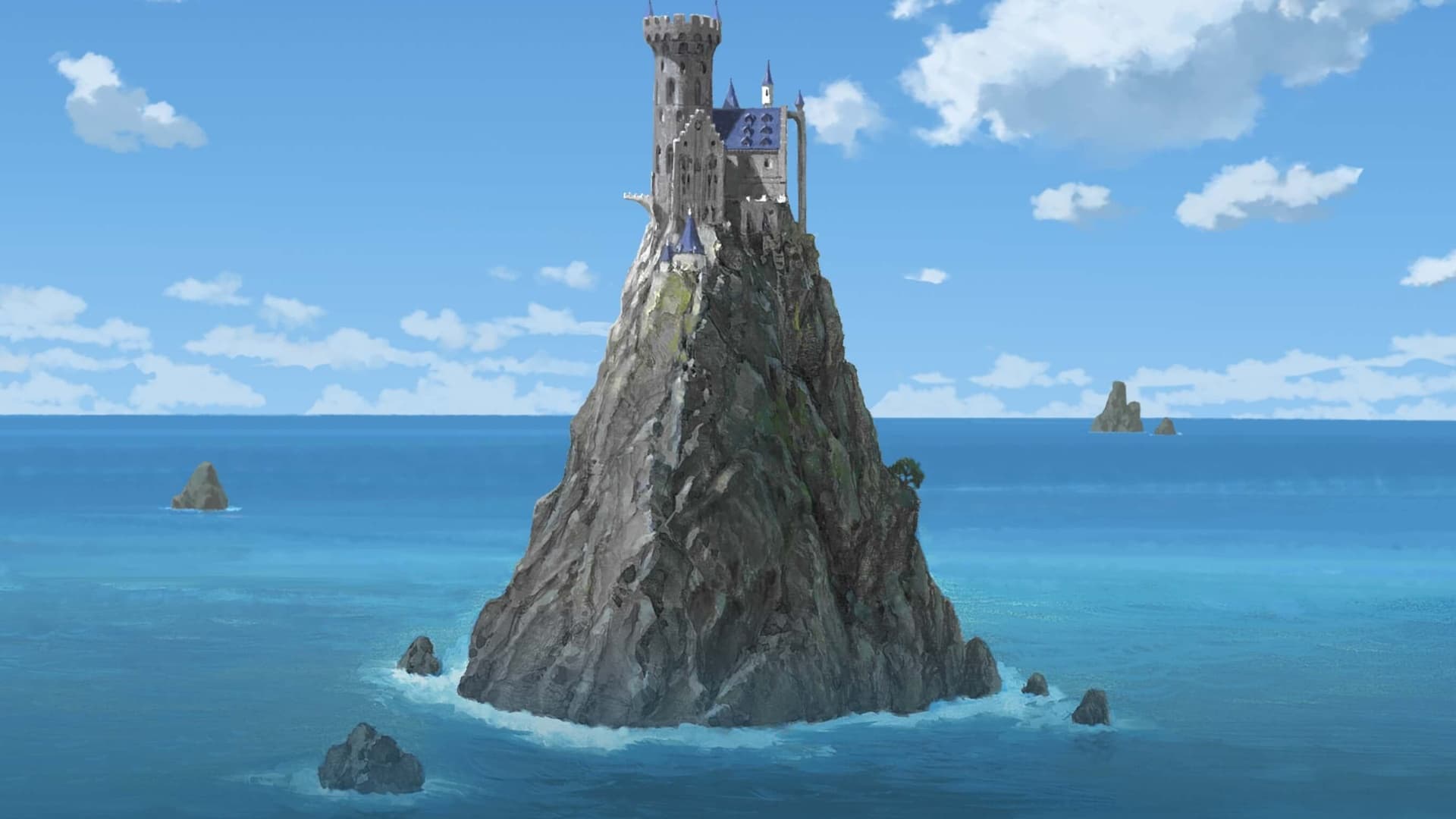


Lonely Castle in the Mirror
かがみの孤城
Does this age rating seem accurate to you?
Detailed parental analysis
The Lonely Castle in the Mirror is a contemplative and emotionally intense animated film, tinged with a melancholic and sometimes unsettling atmosphere. The plot follows seven adolescents unable to attend school, drawn into a mysterious castle hidden behind their mirror, where they must learn to know themselves and confront their inner wounds. The film targets an audience of teenagers from approximately 13-14 years old, with themes that will resonate particularly with young people who have experienced isolation, bullying or difficult family situations.
Violence
School bullying lies at the heart of the narrative and is depicted with a precision that can be painful to watch: humiliations, lies, threats and psychological manipulation are shown in their raw reality, without softening their impact on victims. One scene involves a stepfather pursuing his stepdaughter in a context suggesting an imminent assault, and one character's story contains an implicit familial sexual assault, both elements treated with relative visual discretion but without narrative ambiguity. The film also shows a wolf killing children in a fantastical sequence, although this threat is resolved. All of this violence is narratively justified: it illuminates the characters' traumas and serves a reflection on resilience, never being aestheticised for spectacle alone.
Underlying Values
The film strongly advocates the idea that victims of bullying have the right and responsibility to speak up and seek help rather than suffer in silence. It also takes a clear and courageous position on forgiveness: a victim has no obligation to forgive their aggressor, and a late or insufficient apology does not create a moral debt. This stance contrasts with narratives that position forgiveness as an obligatory step in healing, and deserves explicit discussion with the child to contextualise this message according to different situations. In counterpoint, the narrative values solidarity, mutual aid between peers and each person's capacity to be a source of courage for someone else.
Parental and Family Portrayals
Parental figures are largely absent or failing in the film, which constitutes a structural feature of the narrative: it is precisely this emotional or protective lack that leads the children towards isolation. Some family situations depicted are explicitly toxic or dangerous, notably one of serious domestic abuse. The film offers no idealised parental model, but rather shows the real consequences of loneliness and the lack of available, attentive adults.
Sex and Nudity
The film contains no nudity and nothing sexually explicit, but two elements require parental preparation. The scene of an adolescent being pursued by a stepfather is suggestive enough that younger or sensitive children may understand the threat, and one character's story includes an implicit familial sexual assault that is not detailed visually but is clearly evoked. These elements are treated with seriousness, within a narrative framework that protects victims rather than exposing them.
Language
Language remains generally moderate. There are some mild insults and expressions of frustration, without frank vulgarity or sustained aggressive register.
Strengths
The film patiently constructs a narrative architecture whose coherence only gradually reveals itself, rewarding the viewer's attention with a resolution that is both surprising and emotionally just. The writing of the seven characters is carefully crafted: each carries a distinct and credible wound, and their interactions reveal how friendship builds not in spite of flaws but through them. The treatment of school bullying is among the most nuanced in mainstream animated cinema: it shows the complexity of group dynamics, passive complicity and the mechanisms that prevent victims from speaking out. The film also has genuine emotional intelligence in the way it represents school refusal not as weakness or laziness, but as an understandable response to an unbearable situation, which can open a valuable space for dialogue with adolescents experiencing something similar.
Age recommendation and discussion points
The film is not recommended before age 12 due to psychological violence, serious family situations and themes of implicit assault; a serene and fully rewarding viewing experience is better suited to around age 14. Two angles of discussion become necessary after the film: the first on what the adults around one do when suffering at school, and to whom one can truly talk; the second on the question of forgiveness, by asking the child what they think of the film's position and whether they agree that apologising is not always enough.
Synopsis
Shy outcast Kokoro has been avoiding school for weeks when she discovers a portal in her bedroom mirror. She reaches through and finds herself transported to an enchanting castle where she is joined by six other students. When a girl in a wolf mask explains that they have been invited to play a game, the teens must work together to uncover the mysterious connection that unites them. However, anyone who breaks the rules will be eaten by a wolf.
About this title
- Format
- Feature film
- Year
- 2022
- Runtime
- 1h 56m
- Countries
- Japan
- Original language
- JA
- Directed by
- Keiichi Hara
- Main cast
- Ami Touma, Takumi Kitamura, Sakura Kiryu, Rihito Itagaki, Naho Yokomizo, Minami Takayama, Yuki Kaji, Aoi Miyazaki, Mana Ashida, Kumiko Aso
- Studios
- Shochiku, A-1 Pictures, Poplar, Nippon Television Network Corporation, Aniplex, Yomiuri Telecasting Corporation, Production I.G, Chukyo TV Broadcasting Company, Sapporo Television Broadcasting Company, Miyagi Television Broadcasting, Shizuoka Daiichi Television, Hiroshima Telecasting, Fukuoka Broadcasting System
Content barometer
- Violence3/5Notable
- Fear3/5Notable tension
- Sexuality2/5Mild
- Language1/5Mild
- Narrative complexity3/5Complex
- Adult themes0/5None
Watch-outs
- Bullying
- Mockery
- Abuse
Values conveyed
- Courage
- Friendship
- Forgiveness
- solidarity
- self-overcoming
- acceptance of difference
- courage in adversity
- resilience
- grief and acceptance of loss