Liz and the Blue Bird
リズと青い鳥
Liz and the Blue Bird
リズと青い鳥
Your feedback improves this guide
Your feedback highlights guides that need a second look and keeps the rating trustworthy.
Does this age rating seem accurate to you?
Sign in to vote
Watch-outs
What this film brings
Content barometer
Violence
0/5
None
Fear
1/5
Mild
Sexuality
0/5
None
Language
0/5
None
Narrative complexity
2/5
Moderate
Adult themes
0/5
None
Expert review
This Japanese animated film follows two high school musicians whose very close friendship is strained by graduation, orchestra rehearsals, and the fear of growing apart. The sensitive material is mainly emotional, including isolation, attachment, jealousy, tears, and abandonment anxiety, all presented in a quiet but melancholy atmosphere that may affect sensitive children. There is virtually no physical violence, no explicit sexual content, no notable coarse language, and no substance use, yet the story depends heavily on unspoken feelings, relational tension, and sustained sadness. Younger children are unlikely to be engaged by the slow pace and emotional nuance, while preteens and teens are more likely to understand its themes of friendship, identity, and letting go. Parents can support viewing by talking through the characters' emotions, explaining that closeness and independence can coexist, and checking whether their child is comfortable with gentle stories that carry a strong undertone of loneliness and yearning.
Synopsis
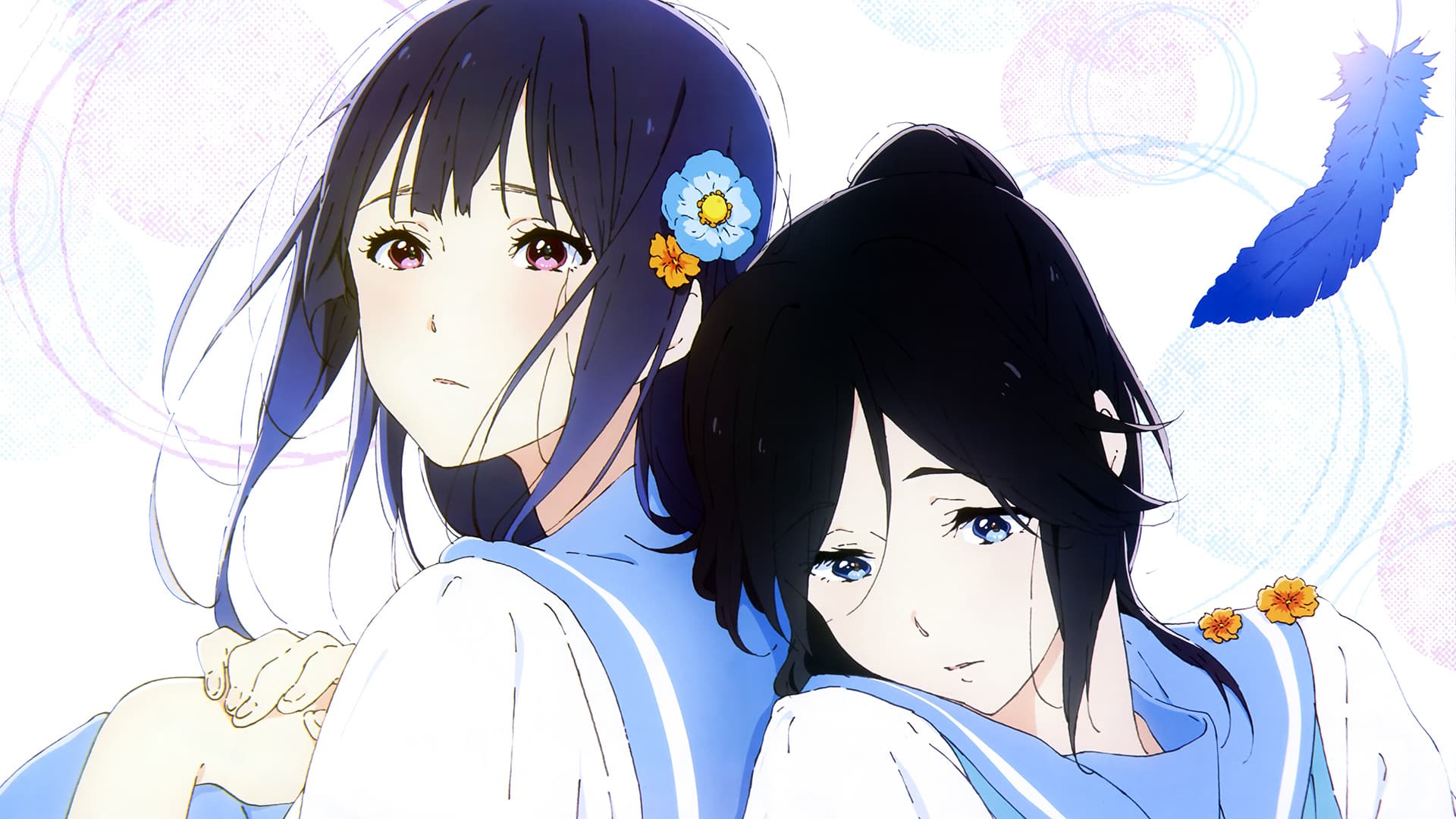
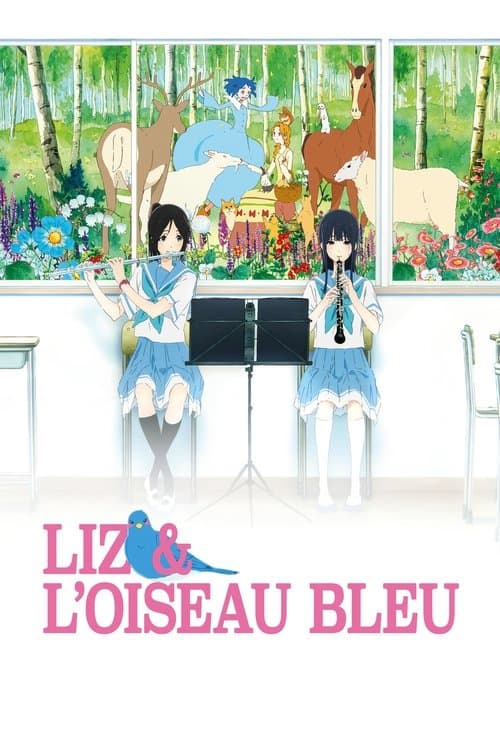
In their last year of high school, two girls in the brass band club perform a song inspired by a fairy tale that parallels their friendship.
Difficult scenes
A large portion of the film shows Mizore alone, quiet, and deeply dependent on Nozomi's attention. This repeated loneliness, combined with her fear of being left behind again, can feel heavy for a young viewer even though nothing physically threatening happens. When Nozomi spends time with other classmates, Mizore becomes jealous and insecure, and the bond between the two girls grows strained. These scenes remain outwardly calm, yet they may feel emotionally intense for children who are sensitive to friendship conflict or social exclusion. The fairy tale of Liz and the blue bird reflects the girls' relationship and introduces the painful idea of letting go of someone you love. Even in a poetic form, separation is a central theme and may bring up sadness or questions about friendships changing over time. As the competition approaches, artistic pressure and suppressed feelings build up, leading to several moments of tears and emotional discomfort. Nothing is visually shocking, but the characters' inner distress becomes more pronounced and calls for some emotional maturity.
Where to watch
No verified platform for the US market yet. We keep this section updated as availability changes.
About this title
- Format
- Feature film
- Year
- 2018
- Runtime
- 1h 30m
- Countries
- Japan
- Original language
- JA
- Directed by
- Naoko Yamada
- Main cast
- Atsumi Tanezaki, Nao Toyama, Ayaka Asai, Tomoyo Kurosawa, Chika Anzai, Yuichi Nakamura, Conomi Fujimura, Takahiro Sakurai, Shiori Sugiura, Miyu Honda
- Studios
- Kyoto Animation, Pony Canyon, Bandai Namco Arts, Rakuonsha
Content barometer
Violence
0/5
None
Fear
1/5
Mild
Sexuality
0/5
None
Language
0/5
None
Narrative complexity
2/5
Moderate
Adult themes
0/5
None
Expert review
This Japanese animated film follows two high school musicians whose very close friendship is strained by graduation, orchestra rehearsals, and the fear of growing apart. The sensitive material is mainly emotional, including isolation, attachment, jealousy, tears, and abandonment anxiety, all presented in a quiet but melancholy atmosphere that may affect sensitive children. There is virtually no physical violence, no explicit sexual content, no notable coarse language, and no substance use, yet the story depends heavily on unspoken feelings, relational tension, and sustained sadness. Younger children are unlikely to be engaged by the slow pace and emotional nuance, while preteens and teens are more likely to understand its themes of friendship, identity, and letting go. Parents can support viewing by talking through the characters' emotions, explaining that closeness and independence can coexist, and checking whether their child is comfortable with gentle stories that carry a strong undertone of loneliness and yearning.
Synopsis
In their last year of high school, two girls in the brass band club perform a song inspired by a fairy tale that parallels their friendship.
Difficult scenes
A large portion of the film shows Mizore alone, quiet, and deeply dependent on Nozomi's attention. This repeated loneliness, combined with her fear of being left behind again, can feel heavy for a young viewer even though nothing physically threatening happens. When Nozomi spends time with other classmates, Mizore becomes jealous and insecure, and the bond between the two girls grows strained. These scenes remain outwardly calm, yet they may feel emotionally intense for children who are sensitive to friendship conflict or social exclusion. The fairy tale of Liz and the blue bird reflects the girls' relationship and introduces the painful idea of letting go of someone you love. Even in a poetic form, separation is a central theme and may bring up sadness or questions about friendships changing over time. As the competition approaches, artistic pressure and suppressed feelings build up, leading to several moments of tears and emotional discomfort. Nothing is visually shocking, but the characters' inner distress becomes more pronounced and calls for some emotional maturity.