Liz and the Blue Bird
リズと青い鳥
Does this age rating seem accurate to you?
Detailed parental analysis
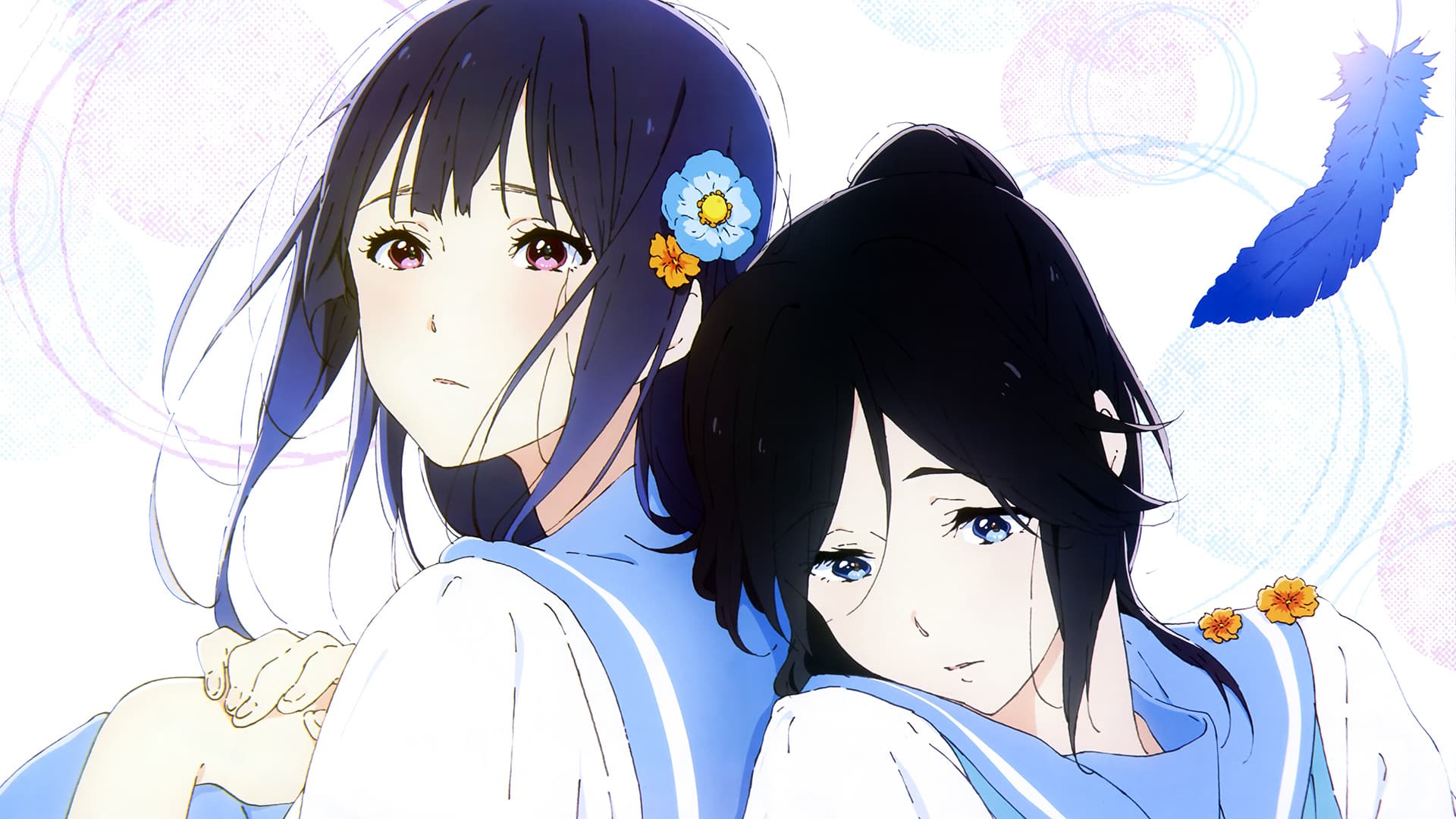
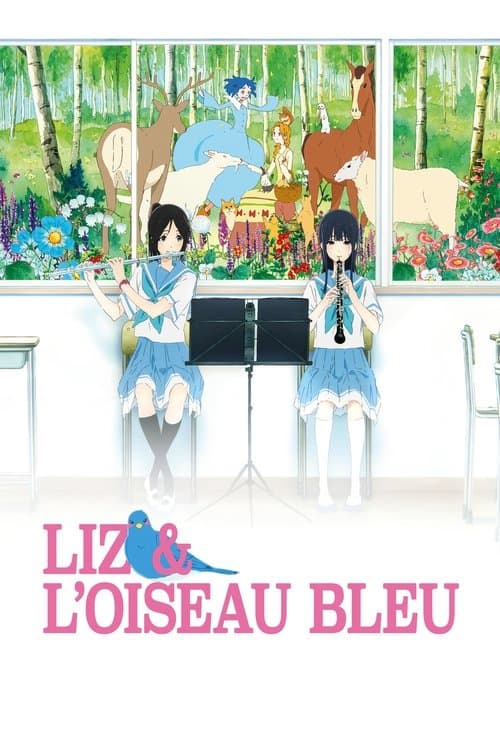
Liz and the Blue Bird is a contemplative and intimate animated film, with a deliberately slow pace and a bittersweet atmosphere. The plot follows two high school girls who are members of a music club, whose deeply intertwined relationship is tested by the preparation of a musical piece that forces them to confront one another. The film is primarily aimed at sensitive adolescent audiences and adults, and will perplex children seeking action or plot twists.
Underlying Values
The film constructs its entire argument around a tension between attachment and freedom. One of the two protagonists exerts a form of emotional dependency on the other that borders on possession, and the narrative does not present this as a romantic ideal but as an obstacle to the flourishing of both young girls. The central message, conveyed with genuine subtlety, is that loving someone may require letting them go, and that defining oneself as a complete individual is a necessity, not a betrayal. Musical performance and the discipline it demands are valued, but never at the expense of the characters' inner truth. This is a film that takes emotional maturity seriously and refuses easy resolutions.
Social Themes
The film incorporates a parallel tale, that of a blue bird taken in by a young girl, which functions as an allegorical mirror of the main relationship. This embedded narrative addresses the question of emotional captivity and freedom in a poetic manner, without ever becoming didactic. A nocturnal scene in the rain, featuring an unconscious figure on the ground, may surprise with its visual intensity in a film that is otherwise deeply serene, but it remains within the register of fairy tale and does not veer into anguish.
Strengths
The film is a work of great emotional precision. Every visual detail, the way characters walk, brush past one another or avoid each other, speaks to their relationship without a word being spoken. Music occupies a central and authentic place: oboe and flute pieces run through the narrative not as backdrop but as psychological revealer. The parallel tale of the blue bird is integrated with rare elegance, avoiding heavy symbolism to allow the viewer to make the connection themselves. For a receptive adolescent, it is a valuable introduction to the idea that emotional relationships can be both sincere and toxic, and that personal growth sometimes requires painful renunciations.
Age recommendation and discussion points
The film is suitable from age 12 onwards, but will find its most receptive audience among adolescents aged 14 and above, capable of appreciating an introspective narrative without action. Two angles of discussion are worth opening after viewing: ask the child whether they have ever felt the need to hold someone back so as not to feel alone, and explore together the difference between a friendship that nourishes and a friendship that suffocates.
Synopsis
In their last year of high school, two girls in the brass band club perform a song inspired by a fairy tale that parallels their friendship.
About this title
- Format
- Feature film
- Year
- 2018
- Runtime
- 1h 30m
- Countries
- Japan
- Original language
- JA
- Directed by
- Naoko Yamada
- Main cast
- Atsumi Tanezaki, Nao Toyama, Ayaka Asai, Tomoyo Kurosawa, Chika Anzai, Yuichi Nakamura, Conomi Fujimura, Takahiro Sakurai, Shiori Sugiura, Miyu Honda
- Studios
- Kyoto Animation, Pony Canyon, Bandai Namco Arts, Rakuonsha
Content barometer
- Violence0/5None
- Fear1/5Mild
- Sexuality0/5None
- Language0/5None
- Narrative complexity2/5Moderate
- Adult themes0/5None
Values conveyed
- Friendship
- Perseverance
- Autonomy
- music
- empathy
- independence