Little Bear
Does this age rating seem accurate to you?
Detailed parental analysis
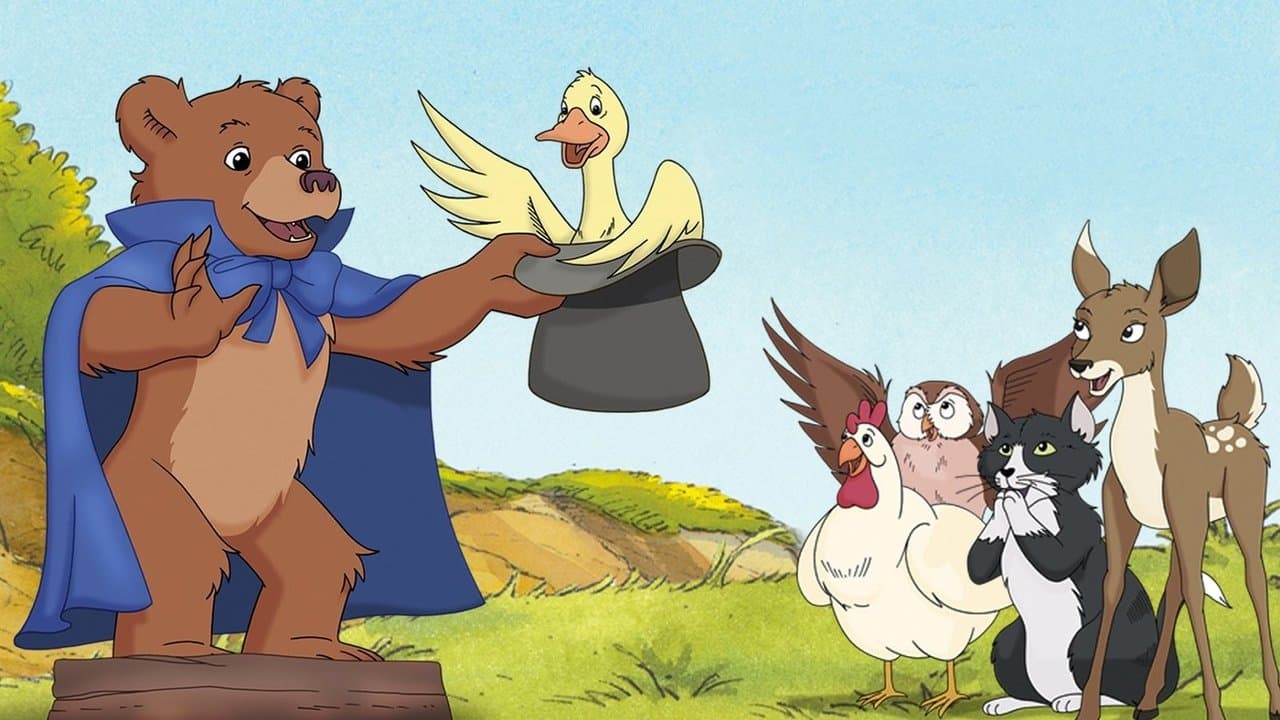
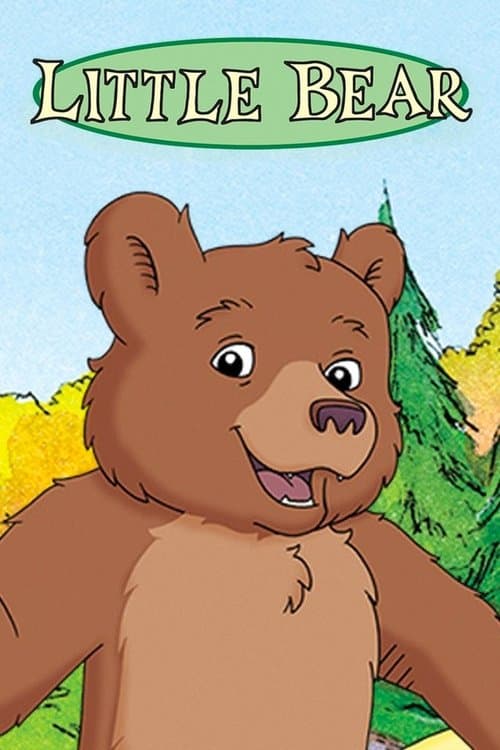
Little Bear is a gentle and contemplative animated series adapted from the illustrated books by Else Holmelund Minarik, carried along by a warm and soothing atmosphere. The plot follows the daily adventures of a curious and imaginative young bear in the forest, between games with his animal friends and tender moments with his family. The film is unambiguously aimed at very young children, from nursery school onwards, and constitutes content designed to reassure as much as to fill with wonder.
Parental and Family Portrayals
Family lies at the heart of the narrative and forms its primary emotional anchor. Little Bear's parents, notably his mother, are portrayed as present, attentive and caring figures, always available to listen, comfort or accompany him. This representation offers a reassuring and consistent parental model, without excessive idealisation. A temporary separation during a storm creates a moment of tension, but it is resolved in a way that reinforces the sense of security rather than shaking it durably.
Violence
The main threat in the narrative takes the form of a mountain lion named Trouble, who intimidates the forest animals and evokes the possibility of being eaten. This tension remains contained and never descends into gore or explicit violence. For very young children, the character may nonetheless provoke genuine fear, albeit brief. The narrative resolution downplays the threat and confirms the safety of the characters, making it an acceptable pedagogical tool for addressing the notion of danger within a protected framework.
Underlying Values
The film values imagination, curiosity, friendship and courage in the face of the unknown. Nature is represented as a space of discovery and belonging, not as a hostile environment. The simplicity of relationships and everyday pleasures is brought to the fore without ever becoming moralistic. These structural values are coherent and positive, with no notable internal tension to flag.
Strengths
The film draws its strength from its faithfulness to the literary universe from which it springs, preserving a slow and attentive narrative that respects the emotional pace of very young children. The dialogue is simple without being impoverished, and relationships between characters are treated with genuine gentleness. The representation of family life and animal friendship offers solid emotional reference points. For a young child, this type of contemplative and reassuring narrative has real value in building a serene relationship with fiction.
Age recommendation and discussion points
The film is suitable from age 3 or 4 onwards, with parental presence recommended for the youngest during scenes involving the mountain lion. Two natural angles for discussion after viewing: ask the child what he would do if he found himself alone in the forest like Little Bear, and talk to him about what makes him feel safe, at home and elsewhere.
Synopsis
Follows a young bear as he goes on exciting adventures in the forest, gets into trouble and learns new things with his friends, including Emily, Duck, Hen, Cat, and Owl. His parents are Mother Bear, who is always there when he needs her, and Father Bear, a fisherman who is often at sea. Based on books by Else Holmelund Minarik.
Where to watch
Availability checked on Apr 29, 2026
About this title
- Format
- TV series
- Year
- 1995
- Runtime
- 8m
- Countries
- Canada, China, United States of America
- Original language
- EN
- Directed by
- Else Holmelund Minarik, Maurice Sendak, Bob Boyle
- Main cast
- Kristin Fairlie, Jennifer Martini, Amos Crawley, Tracy Ryan, Andrew Sabiston, Elizabeth Hanna, Janet-Laine Green, Dan Hennessey, Sean McCann, Diane D'Aquila
- Studios
- Hong Guang Animation (Su Zhou), Wild Things Productions, Nelvana, CBC, Ontario Film Investment Program, John B. Carls Productions Inc.
Content barometer
- Violence1/5Mild
- Fear2/5A few scenes
- Sexuality0/5None
- Language0/5None
- Narrative complexity2/5Moderate
- Adult themes0/5None
Values conveyed
- Courage
- Friendship
- Compassion
- Autonomy
- curiosity
- imagination
- family
- independence
- self-confidence
- discovering nature
- kindness