
Lilo & Stitch
Does this age rating seem accurate to you?
Detailed parental analysis
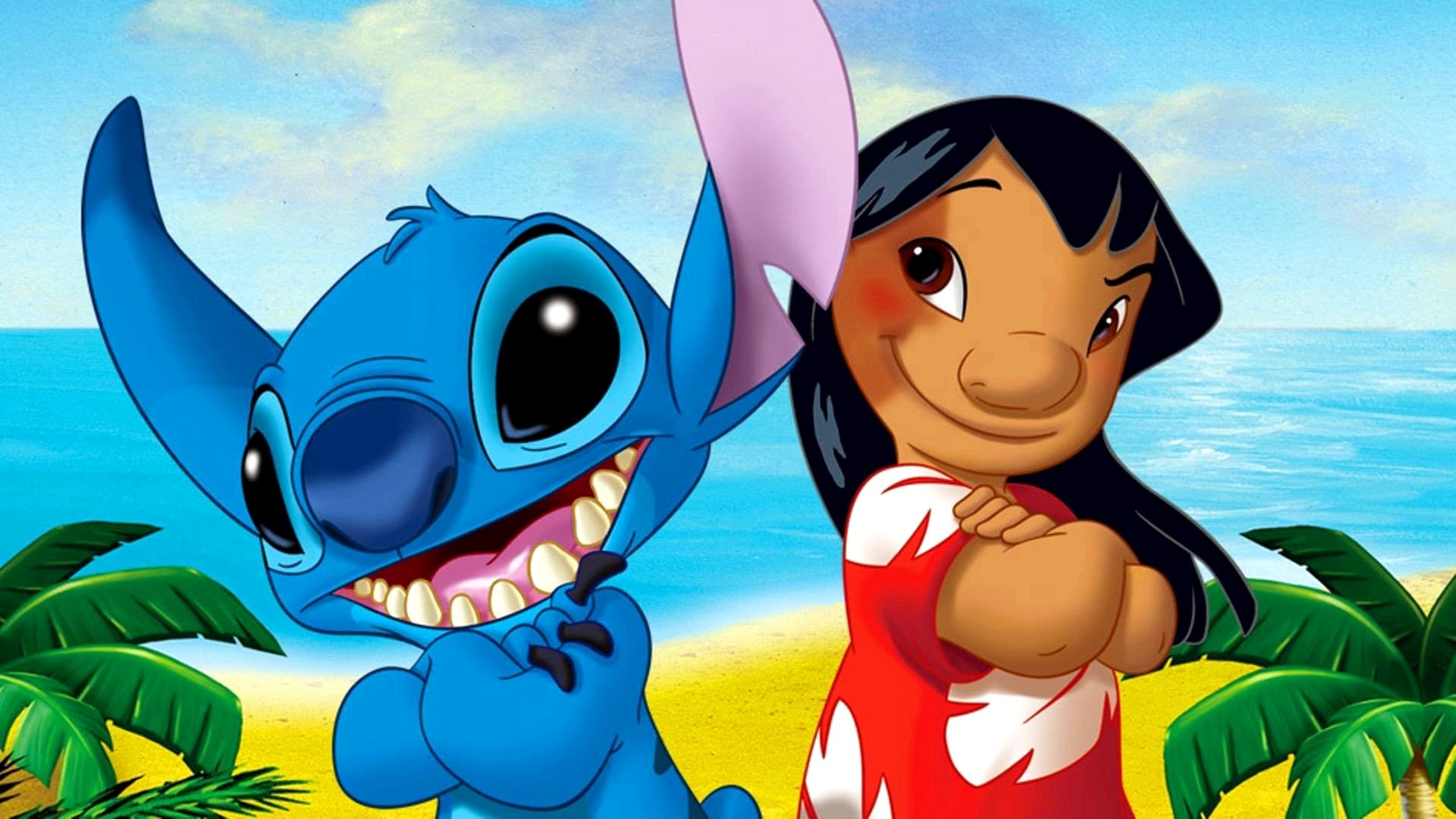
Lilo & Stitch is a Disney animated film with a warm atmosphere but emotionally dense, blending absurd comedy with moments of genuine gravity. The plot follows Lilo, a lonely Hawaiian girl, who unknowingly adopts an extraterrestrial creature genetically designed for destruction, and who will transform her life as much as his own. The film primarily targets school-age children, but its emotional depth also resonates with adults.
Parental and Family Portrayals
The film places family at the absolute heart of its narrative, and does so with a honesty rare in mainstream animation. Lilo and her older sister Nani have lost their parents in a car accident: this grief is never resolved or softened, it weighs on every scene. Nani raises Lilo alone in precarious conditions, under the concrete threat of foster care placement, and the film shows without indulgence the exhaustion, mistakes and simultaneous love of a young adult overwhelmed by circumstances. It is a portrayal of a fragile family treated with dignity, but one that can generate real anxiety in young children, particularly those who have already experienced separation or loss. The Hawaiian concept of ohana, the extended family that leaves no one behind, structures the final message and offers a reassuring resolution without denying the pain of the journey.
Underlying Values
The film builds its central arc around redemption through attachment: Stitch, a creature programmed to destroy, transforms not through discipline or punishment, but because he is loved unconditionally. This message is powerful and coherent, but it deserves to be discussed with a child, as it can suggest that love alone is enough to change destructive behaviour. In parallel, the film values acceptance of difference and rejection of social conformity, notably through the rejection Lilo experiences from her classmates. Family loyalty takes precedence over any other logic, including galactic law, which gives the narrative a clear moral coherence without being naive.
Violence
Violence is present in two distinct forms. The galactic chase scenes, with laser fire, explosions and vehicle destruction, are stylised action without realistic physical consequences for the characters. Stitch destroys Lilo and Nani's house in a sequence of comic chaos, but material damage is treated lightly. More notable for young children: Lilo hits and bites a classmate early in the film, a scene presented with a certain narrative neutrality that may warrant parental comment. Overall it remains within the codes of family animation, without gore or prolonged psychological violence.
Social Themes
The film is set in Hawaii and anchors its narrative in a Polynesian culture represented with care, without making it an exotic backdrop. The threat of foster care placement constitutes a concrete and weighty social issue for an animated film, and can resonate strongly with children who have experienced unstable family situations. The question of belonging, social rejection and reconstruction after loss runs through the entire narrative without being resolved by a magic wand.
Discrimination
Lilo is ostracised by her classmates for her atypical behaviour and social isolation, and the film treats this rejection with empathy without minimising it. The dynamic of bullying between children is shown clearly, making it a useful entry point for a conversation about exclusion and difference. The character of Pleakley, an extraterrestrial who enthusiastically adopts human feminine clothing and codes, is treated with benevolent humour without the film making it an explicit subject.
Strengths
Lilo & Stitch stands out in the Disney catalogue for its refusal of the classic formula: no prince, no univocal villain, no magical resolution. The writing treats the pain of grief and family precarity with an unusual sobriety for the genre, giving the film a lasting emotional resonance. The relationship between Lilo and Stitch is built progressively, with credible ruptures and setbacks, which makes the final transformation convincing rather than gratuitous. The Hawaiian setting is used as a real cultural anchor, notably through music and the philosophy of ohana, and not as mere visual dressing. For a child, it is a film that speaks seriously about loss, belonging and what it means to build a family with what you have.
Age recommendation and discussion points
The film is not recommended for children under 6 due to Stitch's appearance, intense action scenes and especially the theme of family separation which can generate lasting anxiety in very young children. From 6-7 years old, it can be watched calmly with an available adult to discuss it. Two angles of discussion are worth pursuing after viewing: what ohana really means, that is, why you don't abandon someone even when it's difficult, and what Lilo feels when her classmates reject her, to open up to what the child experiences in their own social relationships.
Synopsis
As Stitch, a runaway genetic experiment from a faraway planet, wreaks havoc on the Hawaiian Islands, he becomes the mischievous adopted alien "puppy" of an independent little girl named Lilo and learns about loyalty, friendship, and ʻohana, the Hawaiian tradition of family.
About this title
- Format
- Feature film
- Year
- 2002
- Runtime
- 1h 25m
- Countries
- United States of America
- Original language
- EN
- Studios
- Walt Disney Pictures
Content barometer
- Violence2/5Moderate
- Fear3/5Notable tension
- Sexuality1/5Allusions
- Language1/5Mild
- Narrative complexity1/5Accessible
- Adult themes0/5None
Values conveyed
- Acceptance of difference
- Compassion
- Loyalty
- family
- friendship
- acceptance