The Weekenders
The Weekenders
Your feedback improves this guide
Your feedback highlights guides that need a second look and keeps the rating trustworthy.
Does this age rating seem accurate to you?
Sign in to vote
Watch-outs
What this film brings
Content barometer
Violence
0/5
None
Fear
1/5
Mild
Sexuality
0/5
None
Language
1/5
Mild
Narrative complexity
1/5
Accessible
Adult themes
0/5
None
Expert review
The Weekenders is a light animated comedy about four middle school friends who turn each weekend into a small social adventure, with a lively and very reassuring atmosphere. Sensitive material mainly comes from mild social tension, teasing between kids, worries about fitting in, and occasional awkward crush related moments that reflect early adolescence rather than mature content. The intensity stays low and the frequency is moderate, because most conflicts are brief, playful, and quickly resolved, with very little real danger, almost no physical violence, and no sexual content. Some episodes may also reflect slightly dated ideas about boys and girls, which can amount to mild gender stereotypes, so parents may want to name and discuss those moments if a child notices them. This makes the show broadly suitable for children, especially those interested in friendship stories and school life, and a parent can use it to talk about peer pressure, teasing, and respectful communication.
Synopsis
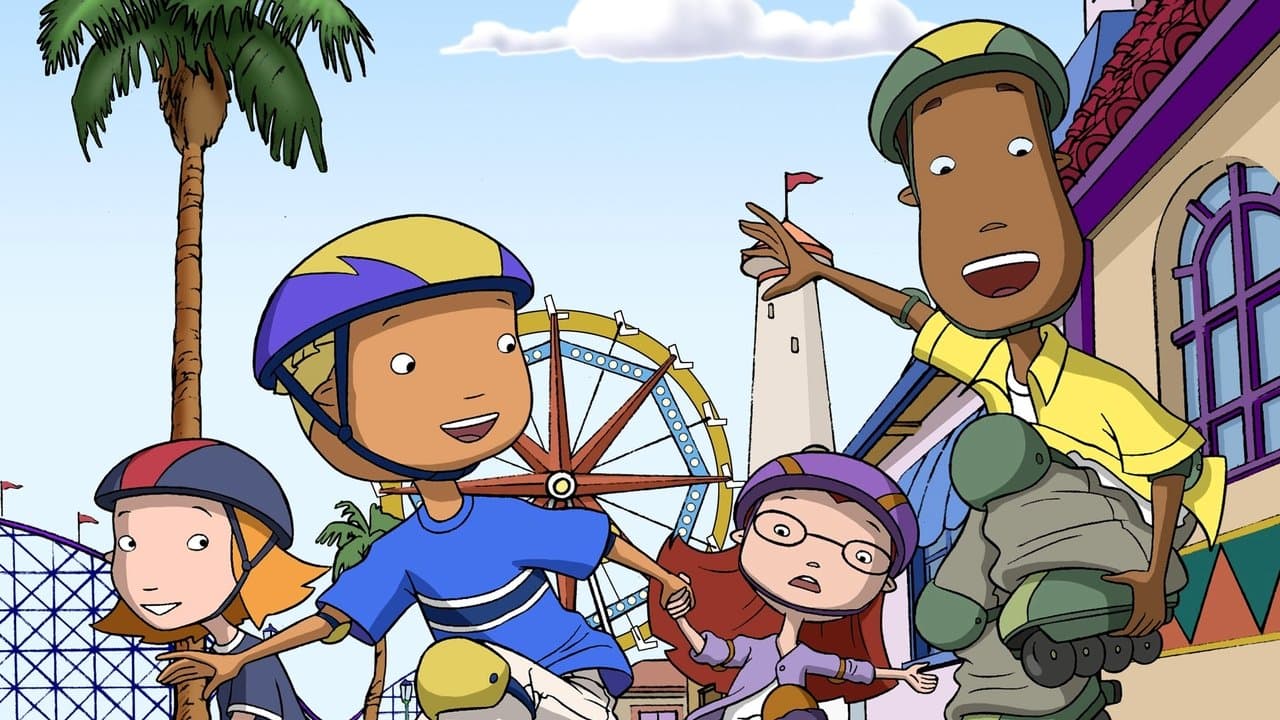
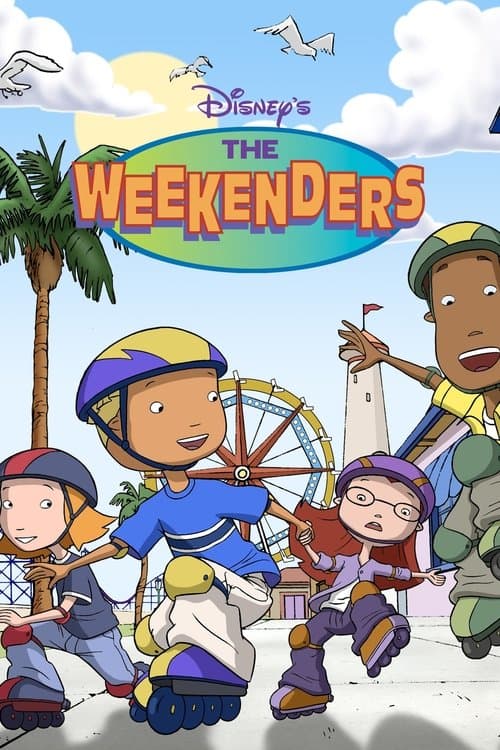
Four friends, Tino, Carver, Lor, and Tish, spend each weekend discovering and creating new levels of fun, while negotiating the obligatory obstacles of adolescence.
Difficult scenes
Several stories are built around the fear of being left out, failing at a plan, or looking foolish in front of friends. For a younger child, these moments may feel more intense than the overall comedy because they connect directly to social acceptance and belonging. The show regularly includes teasing, childish rivalry, and mildly sharp comments between peers. The tone stays playful rather than cruel, but children who are sensitive to embarrassment or rejection may benefit from an adult explaining the difference between joking, teasing, and put downs. Some episodes include very innocent crushes, awkward social behavior, or a strong focus on appearance and popularity. These moments are not sexualized, but they can sometimes echo mild gender stereotypes, especially in how boys and girls are expected to act or be perceived.
Where to watch
No verified platform for the US market yet. We keep this section updated as availability changes.
About this title
- Format
- TV series
- Year
- 2000
- Runtime
- 11m
- Countries
- United States of America, United Kingdom
- Original language
- EN
- Directed by
- Doug Langdale
- Main cast
- Jason Marsden, Grey DeLisle, Phil LaMarr, Kath Soucie, Lisa Kaplan, Jeff Bennett
- Studios
- Disney Television Animation, Wang Film Productions
Content barometer
Violence
0/5
None
Fear
1/5
Mild
Sexuality
0/5
None
Language
1/5
Mild
Narrative complexity
1/5
Accessible
Adult themes
0/5
None
Expert review
The Weekenders is a light animated comedy about four middle school friends who turn each weekend into a small social adventure, with a lively and very reassuring atmosphere. Sensitive material mainly comes from mild social tension, teasing between kids, worries about fitting in, and occasional awkward crush related moments that reflect early adolescence rather than mature content. The intensity stays low and the frequency is moderate, because most conflicts are brief, playful, and quickly resolved, with very little real danger, almost no physical violence, and no sexual content. Some episodes may also reflect slightly dated ideas about boys and girls, which can amount to mild gender stereotypes, so parents may want to name and discuss those moments if a child notices them. This makes the show broadly suitable for children, especially those interested in friendship stories and school life, and a parent can use it to talk about peer pressure, teasing, and respectful communication.
Synopsis
Four friends, Tino, Carver, Lor, and Tish, spend each weekend discovering and creating new levels of fun, while negotiating the obligatory obstacles of adolescence.
Difficult scenes
Several stories are built around the fear of being left out, failing at a plan, or looking foolish in front of friends. For a younger child, these moments may feel more intense than the overall comedy because they connect directly to social acceptance and belonging. The show regularly includes teasing, childish rivalry, and mildly sharp comments between peers. The tone stays playful rather than cruel, but children who are sensitive to embarrassment or rejection may benefit from an adult explaining the difference between joking, teasing, and put downs. Some episodes include very innocent crushes, awkward social behavior, or a strong focus on appearance and popularity. These moments are not sexualized, but they can sometimes echo mild gender stereotypes, especially in how boys and girls are expected to act or be perceived.