
Halloweentown
Halloweentown
Your feedback improves this guide
Your feedback highlights guides that need a second look and keeps the rating trustworthy.
Does this age rating seem accurate to you?
Sign in to vote
Watch-outs
What this film brings
Content barometer
Violence
2/5
Moderate
Fear
2/5
A few scenes
Sexuality
1/5
Allusions
Language
0/5
None
Narrative complexity
2/5
Moderate
Adult themes
0/5
None
Expert review
Halloweentown is a family fantasy with a strong Halloween atmosphere, playful world building, and a preteen heroine discovering her magical identity. The main sensitive elements are spooky creatures, witchcraft themes, a villain connected to disappearances, and a few scenes of magical danger, pursuit, or confinement. Even so, the film stays clearly stylized and non graphic, with frequent comic relief and a gentle Disney Channel tone that keeps most scenes from becoming truly frightening. Language is very mild, sexuality is essentially absent, and any romantic element is limited to a light adolescent crush. The bigger issue for younger viewers is not violence, but the repeated spooky imagery and the idea that children are far from home while something threatening is hiding in their world. For most children, this works better around age 7, or around 6 with parental support if they already enjoy Halloween stories, because an adult can help frame the monsters as fantasy and reassure during the darker scenes.
Synopsis
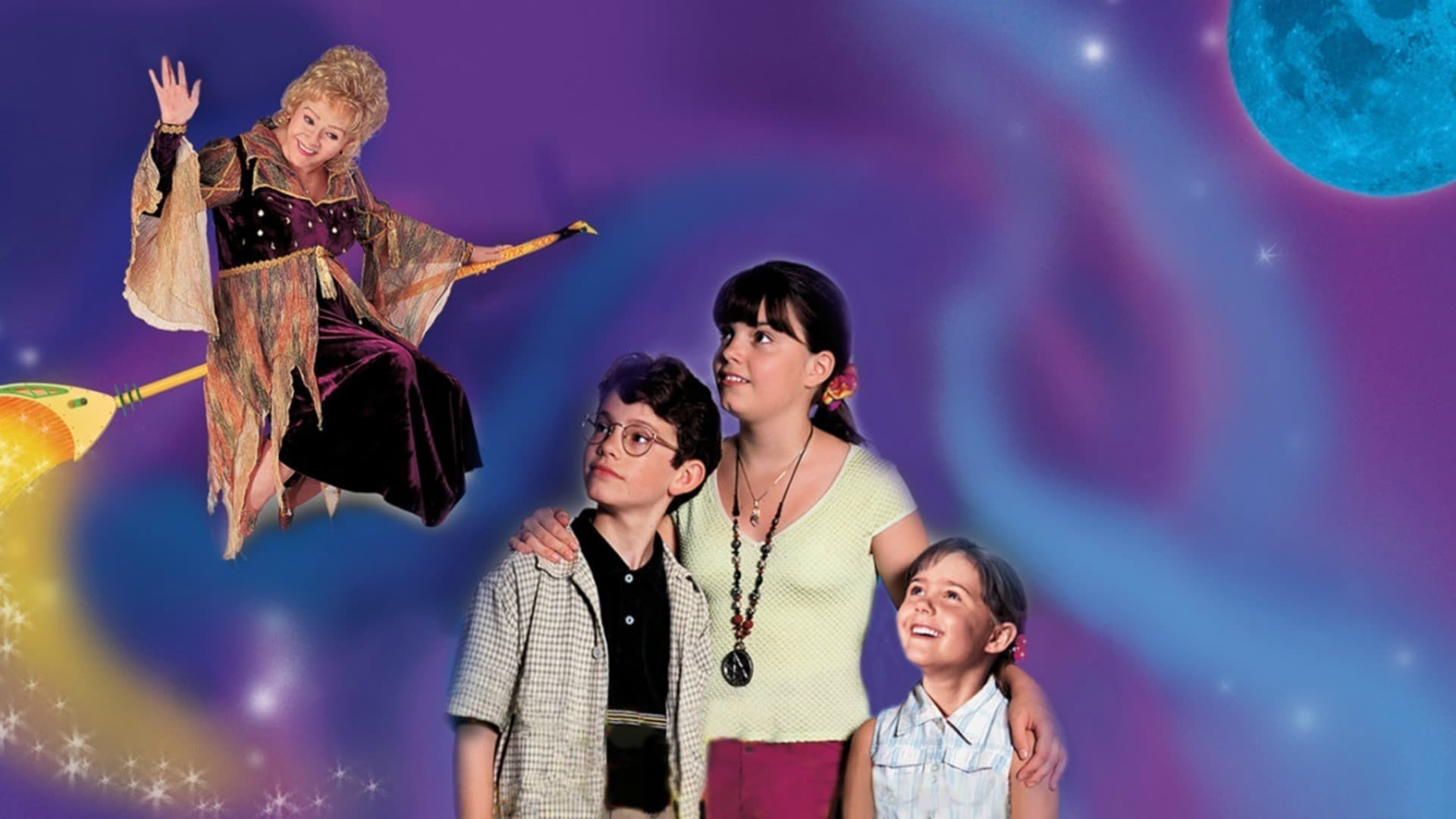
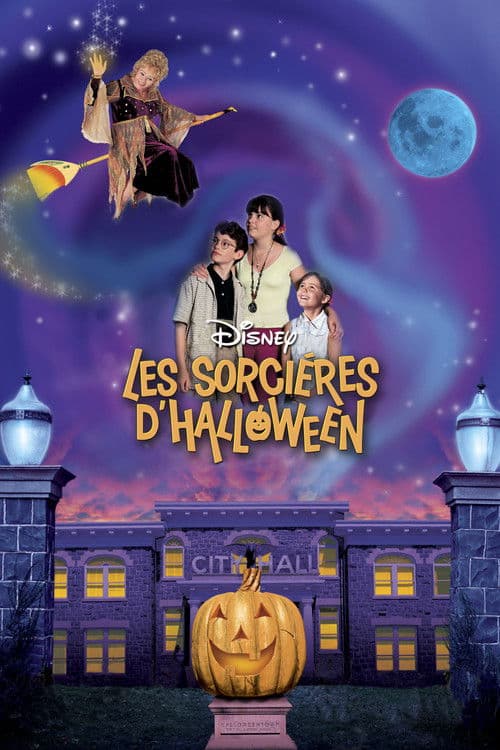
On her 13th birthday, Marnie learns she's a witch, discovers a secret portal, and is transported to Halloweentown — a magical place where ghosts and ghouls, witches and werewolves live apart from the human world. But she soon finds herself battling wicked warlocks, evil curses, and endless surprises.
Difficult scenes
The arrival in Halloweentown may unsettle younger viewers because the town is full of vampires, skeletons, ghouls, and other unusual creatures. The presentation is playful rather than horrific, but children who are sensitive to monster makeup or nonhuman faces may still feel uneasy at first. Several scenes revolve around a mysterious threat connected to townspeople disappearing, which creates a steady undercurrent of suspense through much of the story. A young child may be disturbed by the idea of an unseen danger, even though the film does not show graphic violence or detailed suffering. When the children follow their grandmother and end up in a magical world without their mother's immediate protection, the story builds a sense of risk and rule breaking that can worry some viewers. The scenes where they move through unfamiliar places, look for help, or suspect a trap are tense even though they remain family friendly. A darker sequence in an abandoned location raises the fear level with a threatening figure, magical effects, and the sense that the heroes could be captured. This is likely the strongest moment for sensitive children because the tone becomes more shadowy and serious for a short stretch before easing again.
Where to watch
No verified platform for the US market yet. We keep this section updated as availability changes.
About this title
- Format
- Feature film
- Year
- 1998
- Runtime
- 1h 24m
- Countries
- United States of America
- Original language
- EN
- Directed by
- Duwayne Dunham
- Main cast
- Debbie Reynolds, Kimberly J. Brown, Judith Hoag, Joey Zimmerman, Phillip Van Dyke, Emily Roeske, Robin Thomas, Rino Romano, Shannon Day, J.W. Crawford
- Studios
- Singer/White Entertainment, Ventura Valley Films, Disney Channel
Content barometer
Violence
2/5
Moderate
Fear
2/5
A few scenes
Sexuality
1/5
Allusions
Language
0/5
None
Narrative complexity
2/5
Moderate
Adult themes
0/5
None
Expert review
Halloweentown is a family fantasy with a strong Halloween atmosphere, playful world building, and a preteen heroine discovering her magical identity. The main sensitive elements are spooky creatures, witchcraft themes, a villain connected to disappearances, and a few scenes of magical danger, pursuit, or confinement. Even so, the film stays clearly stylized and non graphic, with frequent comic relief and a gentle Disney Channel tone that keeps most scenes from becoming truly frightening. Language is very mild, sexuality is essentially absent, and any romantic element is limited to a light adolescent crush. The bigger issue for younger viewers is not violence, but the repeated spooky imagery and the idea that children are far from home while something threatening is hiding in their world. For most children, this works better around age 7, or around 6 with parental support if they already enjoy Halloween stories, because an adult can help frame the monsters as fantasy and reassure during the darker scenes.
Synopsis
On her 13th birthday, Marnie learns she's a witch, discovers a secret portal, and is transported to Halloweentown — a magical place where ghosts and ghouls, witches and werewolves live apart from the human world. But she soon finds herself battling wicked warlocks, evil curses, and endless surprises.
Difficult scenes
The arrival in Halloweentown may unsettle younger viewers because the town is full of vampires, skeletons, ghouls, and other unusual creatures. The presentation is playful rather than horrific, but children who are sensitive to monster makeup or nonhuman faces may still feel uneasy at first. Several scenes revolve around a mysterious threat connected to townspeople disappearing, which creates a steady undercurrent of suspense through much of the story. A young child may be disturbed by the idea of an unseen danger, even though the film does not show graphic violence or detailed suffering. When the children follow their grandmother and end up in a magical world without their mother's immediate protection, the story builds a sense of risk and rule breaking that can worry some viewers. The scenes where they move through unfamiliar places, look for help, or suspect a trap are tense even though they remain family friendly. A darker sequence in an abandoned location raises the fear level with a threatening figure, magical effects, and the sense that the heroes could be captured. This is likely the strongest moment for sensitive children because the tone becomes more shadowy and serious for a short stretch before easing again.