
The Mysterious Cities of Gold
太陽の子エステバン
The Mysterious Cities of Gold
太陽の子エステバン
Your feedback improves this guide
Your feedback highlights guides that need a second look and keeps the rating trustworthy.
Does this age rating seem accurate to you?
Sign in to vote
Watch-outs
What this film brings
Content barometer
Violence
2/5
Moderate
Fear
2/5
A few scenes
Sexuality
0/5
None
Language
0/5
None
Narrative complexity
1/5
Accessible
Adult themes
0/5
None
Expert review
This animated adventure series from the 1980s follows young heroes on a long quest shaped by exploration, ancient mysteries, and romanticized encounters with historical civilizations. The main sensitive material comes from repeated danger, chases, shipwrecks, armed threats, separation from parents, and references to colonial conquest, with some villains and settings feeling intimidating for very young children. The overall treatment is not graphic and remains clearly aimed at younger viewers and families, yet suspense appears regularly across the story, which can be tiring or unsettling for preschoolers, and some cultural or ethnic portrayals may feel dated or overly simplified today. Parents may want to watch alongside younger children, offer reassurance during peril scenes, explain the historical backdrop in simple terms, and gently discuss any ethnic or racial stereotypes as products of an older work rather than accurate representation. It is also worth noting that the work carries dated gender stereotypes, especially in the way some female characters are presented or placed in distress. This does not automatically make the series unsuitable, but it is worth flagging and can be discussed with children. Some characters or groups may also rely on dated ethnic or racial stereotypes, with portrayals that can feel caricatural or reductive today. That aspect is worth flagging and, when relevant, discussing with children.
Synopsis
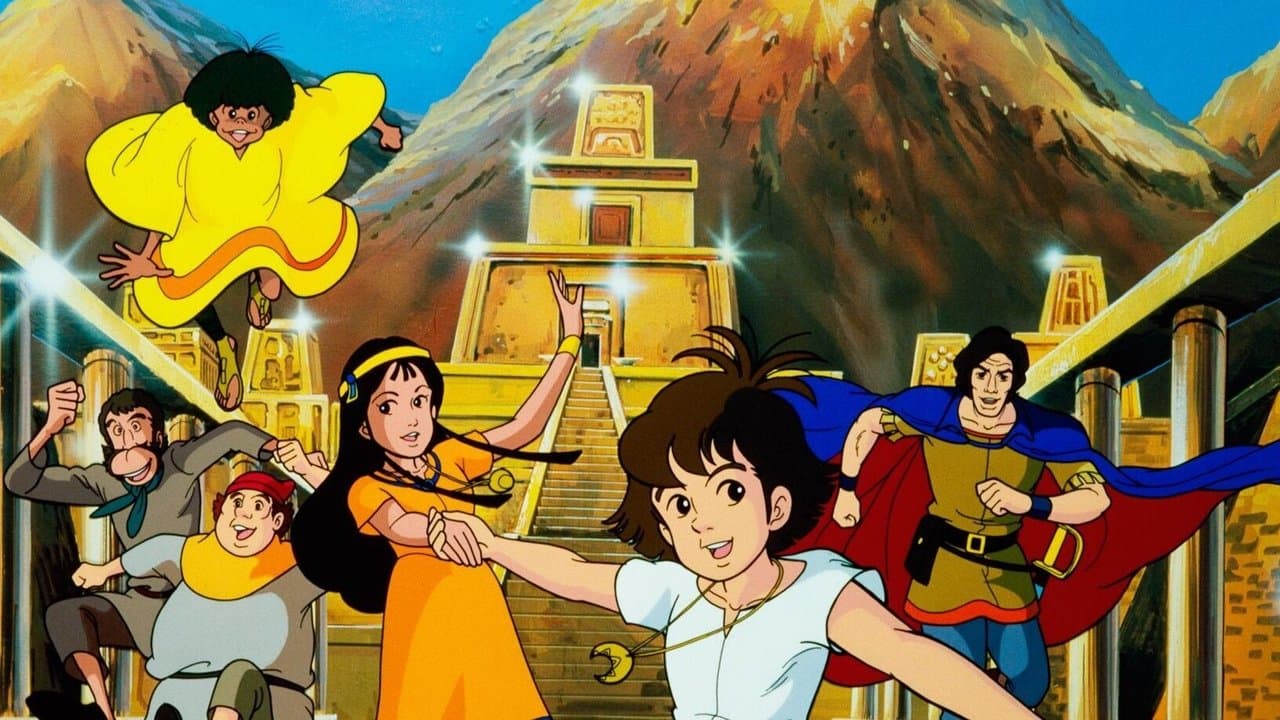
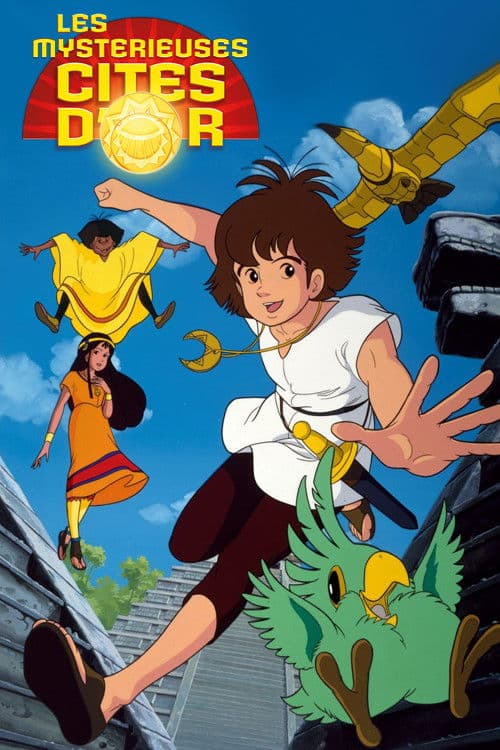
The adventures of a young Spanish boy named Esteban who joins a voyage to the New World in search of the lost Cities of Gold and his father.
Difficult scenes
The story begins with a strong family separation theme, as children search for their fathers and are drawn into a dangerous world far from any stable protection. For a young child, that emotional setup can feel worrying, especially because parental absence is not a passing detail but a major engine of the narrative. Sea travel, shipwrecks, and disaster scenes create real suspense, with characters trapped on ships, threatened by the elements, or stranded in unknown places. These moments stay stylized rather than graphic, yet the sense of danger is clear and may be intense for children who are not used to sustained adventure stories. The heroes regularly encounter greedy or threatening adults who chase the children, capture them, or try to use precious objects for selfish goals. The violence mostly involves threats, visible weapons, limited physical conflict, and captivity situations, but the repeated peril can feel heavy for very young viewers. Some parts of the series portray Indigenous peoples and ancient civilizations through a very dated adventure lens that blends history, myth, and exoticism. This does not automatically make the series unsuitable, but it can be helpful for parents to explain that these depictions are not always accurate and also reflect the conventions of an older production.
Where to watch
No verified platform for the US market yet. We keep this section updated as availability changes.
About this title
- Format
- TV series
- Year
- 1982
- Runtime
- 28m
- Countries
- France, Japan
- Original language
- JA
- Directed by
- 吉川惣司, 馬嶋満, Mitsuru Kaneko, Jean Chalopin
- Main cast
- Rei Sakuma, Masako Nozawa, Isao Sasaki, Junko Hori
- Studios
- Pierrot, DIC, NHK, CLT
Content barometer
Violence
2/5
Moderate
Fear
2/5
A few scenes
Sexuality
0/5
None
Language
0/5
None
Narrative complexity
1/5
Accessible
Adult themes
0/5
None
Expert review
This animated adventure series from the 1980s follows young heroes on a long quest shaped by exploration, ancient mysteries, and romanticized encounters with historical civilizations. The main sensitive material comes from repeated danger, chases, shipwrecks, armed threats, separation from parents, and references to colonial conquest, with some villains and settings feeling intimidating for very young children. The overall treatment is not graphic and remains clearly aimed at younger viewers and families, yet suspense appears regularly across the story, which can be tiring or unsettling for preschoolers, and some cultural or ethnic portrayals may feel dated or overly simplified today. Parents may want to watch alongside younger children, offer reassurance during peril scenes, explain the historical backdrop in simple terms, and gently discuss any ethnic or racial stereotypes as products of an older work rather than accurate representation. It is also worth noting that the work carries dated gender stereotypes, especially in the way some female characters are presented or placed in distress. This does not automatically make the series unsuitable, but it is worth flagging and can be discussed with children. Some characters or groups may also rely on dated ethnic or racial stereotypes, with portrayals that can feel caricatural or reductive today. That aspect is worth flagging and, when relevant, discussing with children.
Synopsis
The adventures of a young Spanish boy named Esteban who joins a voyage to the New World in search of the lost Cities of Gold and his father.
Difficult scenes
The story begins with a strong family separation theme, as children search for their fathers and are drawn into a dangerous world far from any stable protection. For a young child, that emotional setup can feel worrying, especially because parental absence is not a passing detail but a major engine of the narrative. Sea travel, shipwrecks, and disaster scenes create real suspense, with characters trapped on ships, threatened by the elements, or stranded in unknown places. These moments stay stylized rather than graphic, yet the sense of danger is clear and may be intense for children who are not used to sustained adventure stories. The heroes regularly encounter greedy or threatening adults who chase the children, capture them, or try to use precious objects for selfish goals. The violence mostly involves threats, visible weapons, limited physical conflict, and captivity situations, but the repeated peril can feel heavy for very young viewers. Some parts of the series portray Indigenous peoples and ancient civilizations through a very dated adventure lens that blends history, myth, and exoticism. This does not automatically make the series unsuitable, but it can be helpful for parents to explain that these depictions are not always accurate and also reflect the conventions of an older production.