The Long, Long Holiday
The Long, Long Holiday
Your feedback improves this guide
Your feedback highlights guides that need a second look and keeps the rating trustworthy.
Does this age rating seem accurate to you?
Sign in to vote
Watch-outs
What this film brings
Content barometer
Violence
2/5
Moderate
Fear
2/5
A few scenes
Sexuality
0/5
None
Language
0/5
None
Narrative complexity
2/5
Moderate
Adult themes
1/5
Mild
Expert review
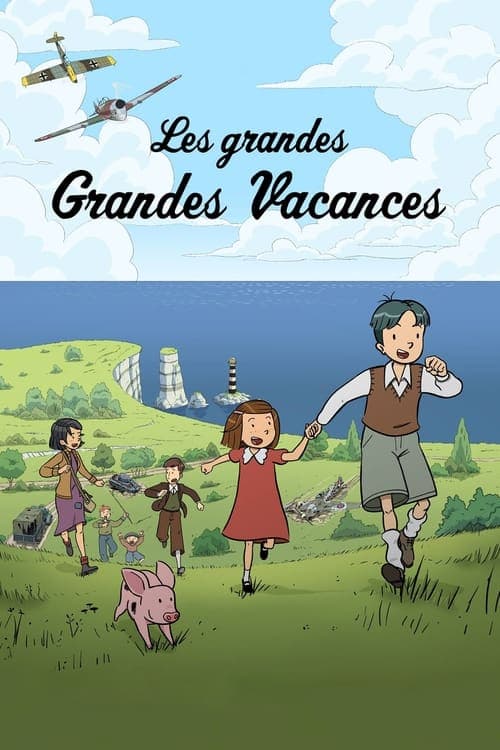
This animated series tells the story of World War Two through the eyes of children, with gentle visuals but a serious and sometimes sad historical backdrop. The sensitive material mostly involves war, family separation, illness, shortages, German occupation, fear of denunciation, and the loss of loved ones, more on an emotional level than through graphic imagery. The intensity stays moderate for younger viewers because graphic violence is limited, yet these difficult themes return regularly throughout the story and may feel heavy for very sensitive children. For children around age 8 or 9, watching with an adult is helpful to explain the historical context, reassure them during tense moments, and talk about feelings linked to absence, injustice, and grief. The series is thoughtful, humane, and accessible, but it requires more emotional readiness than its animation style may initially suggest.
Synopsis
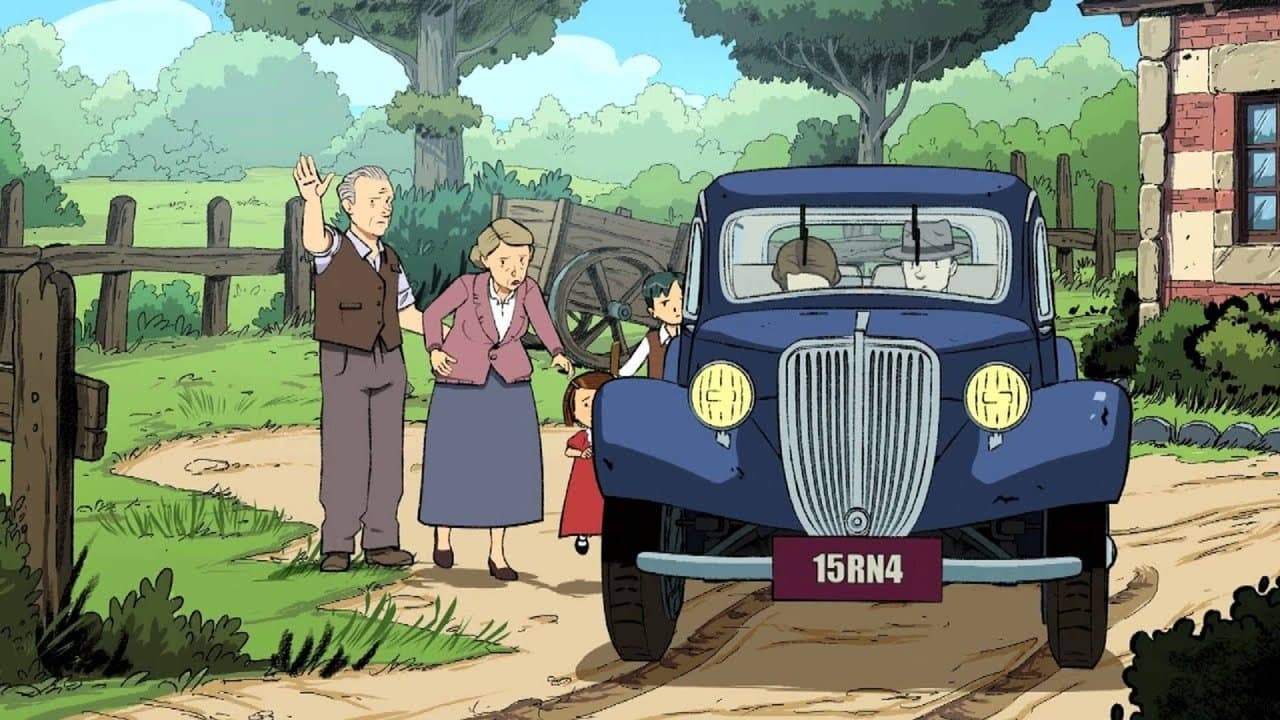
In September 1939, Colette and Ernest are welcomed by their maternal grandparents in a fictional village named Grangeville, near Dieppe in Normandy. The short vacation becomes semi-permanent when their father goes off to fight, following the mobilization of France to fight the invading German Army, and the poor health of their mother, required to leave to be treated for tuberculosis in a sanatorium in Switzerland. The two little Parisians discover life in the countryside during wartime, including occupation, Resistance, deprivation, but also life with friends.
Difficult scenes
The story begins with a long family separation. The children are kept away from their parents during the war, with their father mobilized and their mother seriously ill, which can feel painful for young viewers who easily identify with their loneliness and worry. Several scenes show daily life under occupation, with soldiers, inspections, requisitions, and a steady sense of threat. There is little graphic imagery, but the presence of hostile authority figures and the idea that adults or children could be in danger may unsettle younger viewers. The series also deals with deprivation and loss, as characters face food shortages, fear, and the death of certain people. These moments are handled with restraint, yet they create genuine sadness and may lead children to ask questions about death, war, and injustice. Children in the village are drawn into acts of courage in a context of secrecy and resistance. The tension remains controlled, but the risk of being caught, punished, or denounced can create lasting stress for a child who is not yet used to historical wartime stories.
Where to watch
No verified platform for the US market yet. We keep this section updated as availability changes.
About this title
- Format
- TV series
- Year
- 2015
- Runtime
- 26m
- Countries
- France
- Original language
- FR
- Directed by
- Delphine Maury, Olivier Vinuesa
- Main cast
- Antoine Lelandais, Philippe Catoire, Julien Crampon, Julien Alluguette, Cédric Dumond, Clara Quilichini, Benjamin Bollen, Dorothée Pousséo
- Studios
- Les Armateurs, Blue Spirit
Content barometer
Violence
2/5
Moderate
Fear
2/5
A few scenes
Sexuality
0/5
None
Language
0/5
None
Narrative complexity
2/5
Moderate
Adult themes
1/5
Mild
Expert review
This animated series tells the story of World War Two through the eyes of children, with gentle visuals but a serious and sometimes sad historical backdrop. The sensitive material mostly involves war, family separation, illness, shortages, German occupation, fear of denunciation, and the loss of loved ones, more on an emotional level than through graphic imagery. The intensity stays moderate for younger viewers because graphic violence is limited, yet these difficult themes return regularly throughout the story and may feel heavy for very sensitive children. For children around age 8 or 9, watching with an adult is helpful to explain the historical context, reassure them during tense moments, and talk about feelings linked to absence, injustice, and grief. The series is thoughtful, humane, and accessible, but it requires more emotional readiness than its animation style may initially suggest.
Synopsis
In September 1939, Colette and Ernest are welcomed by their maternal grandparents in a fictional village named Grangeville, near Dieppe in Normandy. The short vacation becomes semi-permanent when their father goes off to fight, following the mobilization of France to fight the invading German Army, and the poor health of their mother, required to leave to be treated for tuberculosis in a sanatorium in Switzerland. The two little Parisians discover life in the countryside during wartime, including occupation, Resistance, deprivation, but also life with friends.
Difficult scenes
The story begins with a long family separation. The children are kept away from their parents during the war, with their father mobilized and their mother seriously ill, which can feel painful for young viewers who easily identify with their loneliness and worry. Several scenes show daily life under occupation, with soldiers, inspections, requisitions, and a steady sense of threat. There is little graphic imagery, but the presence of hostile authority figures and the idea that adults or children could be in danger may unsettle younger viewers. The series also deals with deprivation and loss, as characters face food shortages, fear, and the death of certain people. These moments are handled with restraint, yet they create genuine sadness and may lead children to ask questions about death, war, and injustice. Children in the village are drawn into acts of courage in a context of secrecy and resistance. The tension remains controlled, but the risk of being caught, punished, or denounced can create lasting stress for a child who is not yet used to historical wartime stories.