The Ugly Duckling
The Ugly Duckling
Your feedback improves this guide
Your feedback highlights guides that need a second look and keeps the rating trustworthy.
Does this age rating seem accurate to you?
Sign in to vote
Watch-outs
What this film brings
Content barometer
Violence
1/5
Mild
Fear
1/5
Mild
Sexuality
0/5
None
Language
0/5
None
Narrative complexity
0/5
Simple
Adult themes
0/5
None
Expert review
This Disney animated short follows a young bird who is rejected because he looks different, with a gentle style but a distinctly sad emotional thread. The main sensitive elements are repeated exclusion, visual mockery, loneliness, and a few moments of cartoon style physical conflict, including a slap between adult animal characters and abrupt rejection. The intensity is mild to moderate and highly stylized, with no graphic injury or sustained danger, but the duckling's distress may still affect sensitive children because the story returns several times to his isolation and tears. For most children, it is suitable from about age 4, especially with an adult nearby to explain the difference between being different, being unkind, and trying to find belonging. Parents may want to frame it beforehand as a story about feeling left out and eventually finding acceptance, without emphasizing the upsetting moments too strongly.
Synopsis
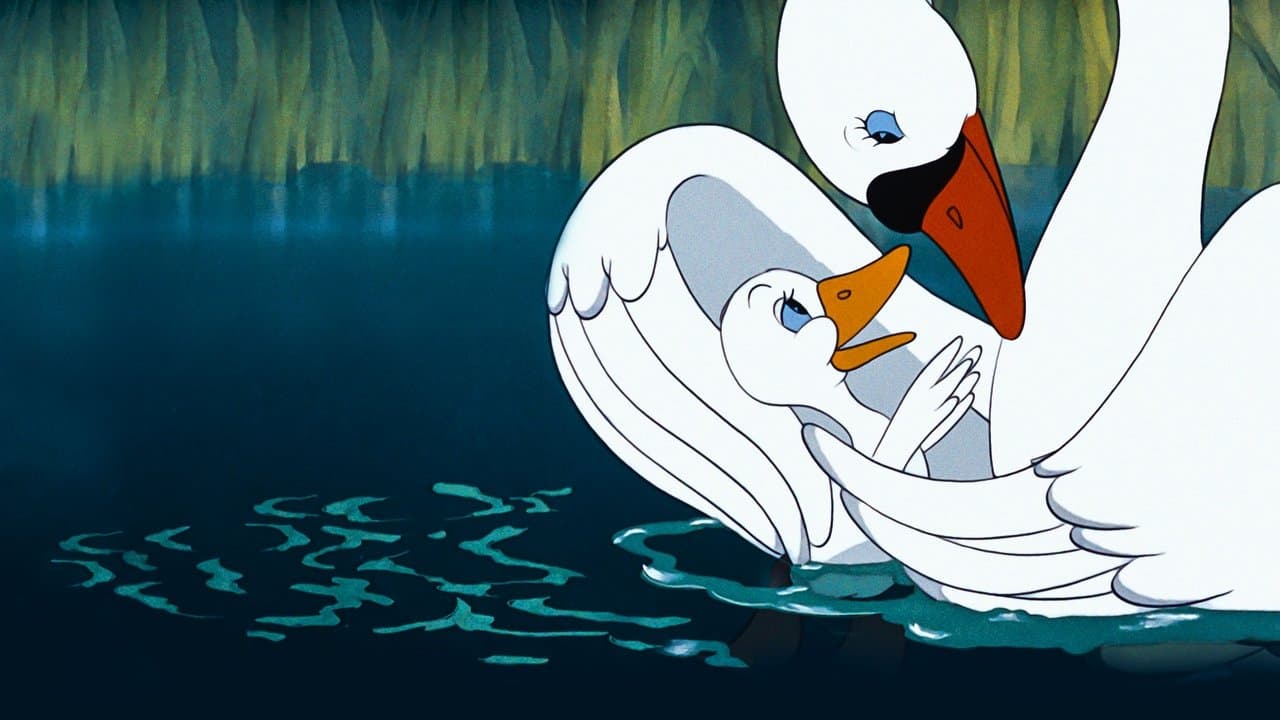
An outcast duckling's search for a family to accept him leads to constant rejection before learning his true identity as a swan.
Difficult scenes
Early in the short, the different looking little bird is not welcomed like the others, and the adult animals clearly treat him as though he does not belong. This can feel painful for a young child because the rejection is visible and the character is simply trying to be loved and included. Several times, the little one tries to join other birds or attach himself to a mother figure, only to be pushed away almost immediately. These scenes may bring sadness or mild worry for sensitive children because the story lingers on his isolation and crying. A brief conflict between the animal parents includes a clear but cartoonish slap. The moment is short and unrealistic, yet it may still surprise very young viewers if parents prefer to avoid even mild aggression in early childhood viewing.
Where to watch
No verified platform for the US market yet. We keep this section updated as availability changes.
Availability checked on Apr 01, 2026
About this title
- Format
- Short film
- Year
- 1939
- Runtime
- 9m
- Countries
- United States of America
- Original language
- EN
- Studios
- Walt Disney Productions
Content barometer
Violence
1/5
Mild
Fear
1/5
Mild
Sexuality
0/5
None
Language
0/5
None
Narrative complexity
0/5
Simple
Adult themes
0/5
None
Expert review
This Disney animated short follows a young bird who is rejected because he looks different, with a gentle style but a distinctly sad emotional thread. The main sensitive elements are repeated exclusion, visual mockery, loneliness, and a few moments of cartoon style physical conflict, including a slap between adult animal characters and abrupt rejection. The intensity is mild to moderate and highly stylized, with no graphic injury or sustained danger, but the duckling's distress may still affect sensitive children because the story returns several times to his isolation and tears. For most children, it is suitable from about age 4, especially with an adult nearby to explain the difference between being different, being unkind, and trying to find belonging. Parents may want to frame it beforehand as a story about feeling left out and eventually finding acceptance, without emphasizing the upsetting moments too strongly.
Synopsis
An outcast duckling's search for a family to accept him leads to constant rejection before learning his true identity as a swan.
Difficult scenes
Early in the short, the different looking little bird is not welcomed like the others, and the adult animals clearly treat him as though he does not belong. This can feel painful for a young child because the rejection is visible and the character is simply trying to be loved and included. Several times, the little one tries to join other birds or attach himself to a mother figure, only to be pushed away almost immediately. These scenes may bring sadness or mild worry for sensitive children because the story lingers on his isolation and crying. A brief conflict between the animal parents includes a clear but cartoonish slap. The moment is short and unrealistic, yet it may still surprise very young viewers if parents prefer to avoid even mild aggression in early childhood viewing.