

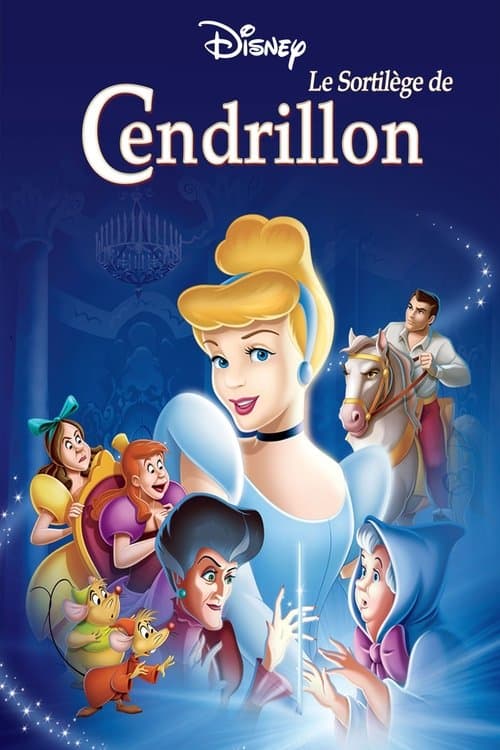
Cinderella III: A Twist in Time
Cinderella III: A Twist in Time
Your feedback improves this guide
Your feedback highlights guides that need a second look and keeps the rating trustworthy.
Does this age rating seem accurate to you?
Sign in to vote
Watch-outs
What this film brings
Content barometer
Violence
1/5
Mild
Fear
2/5
A few scenes
Sexuality
1/5
Allusions
Language
0/5
None
Narrative complexity
0/5
Simple
Adult themes
0/5
None
Expert review
This animated sequel returns to Cinderella's world with a light fantasy adventure atmosphere, mixing fairy tale magic, palace intrigue, and comic chases in a way that is clearly aimed at families. The main sensitive material comes from a controlling stepmother, reality changing spells, a fairy being turned into stone, an enchanted prince, and the heroine being unfairly threatened with exile, which may unsettle children who are especially reactive to injustice. The overall intensity stays moderate and highly stylized, with no graphic violence and almost no harsh language, yet the story includes several tense scenes built around betrayal, loss of identity, and the fear of not being recognized by a loved one. The film also carries some dated gender stereotypes, especially through its strong emphasis on beauty, marriage, and female worth inside a very traditional romantic framework. Most children around age 7 can handle it, but parental support can help if a child is sensitive to domineering villains or to stories where a young woman must constantly prove who she is and what she deserves.
Synopsis
When Lady Tremaine steals the Fairy Godmother's wand and changes history, it's up to Cinderella to restore the timeline and reclaim her prince.
Difficult scenes
The discovery of the magic wand leads into a conflict scene where the Fairy Godmother is accidentally turned into a stone statue. The presentation stays fully cartoon based, yet the idea of a kind protective figure suddenly becoming frozen and helpless can be upsetting for younger viewers. Lady Tremaine uses magic to alter the past, lock Cinderella in her room, and pass Anastasia off as the Prince's chosen bride. This chain of unfair events may cause frustration, because the heroine loses both her place and her evidence just as she is trying to tell the truth. The Prince is enchanted so that he forgets Cinderella and behaves as if he does not recognize her. This can be emotionally hard for children who are invested in the romance, because Cinderella seems hurt, isolated, and powerless in the face of a betrayal she cannot explain. Cinderella sneaks into the palace, is discovered by the guards, and is sentenced to exile on a ship. The scene is not graphically violent, but the fear of being caught, separated from others, and forced out of the kingdom creates real tension for sensitive children.
Where to watch
No verified platform for the US market yet. We keep this section updated as availability changes.
About this title
- Format
- Feature film
- Year
- 2007
- Runtime
- 1h 10m
- Countries
- United States of America
- Original language
- EN
- Directed by
- Frank Nissen
- Main cast
- Jennifer Hale, Christopher Daniel Barnes, Susanne Blakeslee, Tress MacNeille, Russi Taylor, Andre Stojka, Holland Taylor, Rob Paulsen, Corey Burton, Frank Welker
- Studios
- DisneyToon Studios
Content barometer
Violence
1/5
Mild
Fear
2/5
A few scenes
Sexuality
1/5
Allusions
Language
0/5
None
Narrative complexity
0/5
Simple
Adult themes
0/5
None
Expert review
This animated sequel returns to Cinderella's world with a light fantasy adventure atmosphere, mixing fairy tale magic, palace intrigue, and comic chases in a way that is clearly aimed at families. The main sensitive material comes from a controlling stepmother, reality changing spells, a fairy being turned into stone, an enchanted prince, and the heroine being unfairly threatened with exile, which may unsettle children who are especially reactive to injustice. The overall intensity stays moderate and highly stylized, with no graphic violence and almost no harsh language, yet the story includes several tense scenes built around betrayal, loss of identity, and the fear of not being recognized by a loved one. The film also carries some dated gender stereotypes, especially through its strong emphasis on beauty, marriage, and female worth inside a very traditional romantic framework. Most children around age 7 can handle it, but parental support can help if a child is sensitive to domineering villains or to stories where a young woman must constantly prove who she is and what she deserves.
Synopsis
When Lady Tremaine steals the Fairy Godmother's wand and changes history, it's up to Cinderella to restore the timeline and reclaim her prince.
Difficult scenes
The discovery of the magic wand leads into a conflict scene where the Fairy Godmother is accidentally turned into a stone statue. The presentation stays fully cartoon based, yet the idea of a kind protective figure suddenly becoming frozen and helpless can be upsetting for younger viewers. Lady Tremaine uses magic to alter the past, lock Cinderella in her room, and pass Anastasia off as the Prince's chosen bride. This chain of unfair events may cause frustration, because the heroine loses both her place and her evidence just as she is trying to tell the truth. The Prince is enchanted so that he forgets Cinderella and behaves as if he does not recognize her. This can be emotionally hard for children who are invested in the romance, because Cinderella seems hurt, isolated, and powerless in the face of a betrayal she cannot explain. Cinderella sneaks into the palace, is discovered by the guards, and is sentenced to exile on a ship. The scene is not graphically violent, but the fear of being caught, separated from others, and forced out of the kingdom creates real tension for sensitive children.