The Tale of the White Serpent
白蛇伝
The Tale of the White Serpent
白蛇伝
Your feedback improves this guide
Your feedback highlights guides that need a second look and keeps the rating trustworthy.
Does this age rating seem accurate to you?
Sign in to vote
Watch-outs
What this film brings
Content barometer
Violence
2/5
Moderate
Fear
2/5
A few scenes
Sexuality
1/5
Allusions
Language
0/5
None
Narrative complexity
1/5
Accessible
Adult themes
0/5
None
Expert review
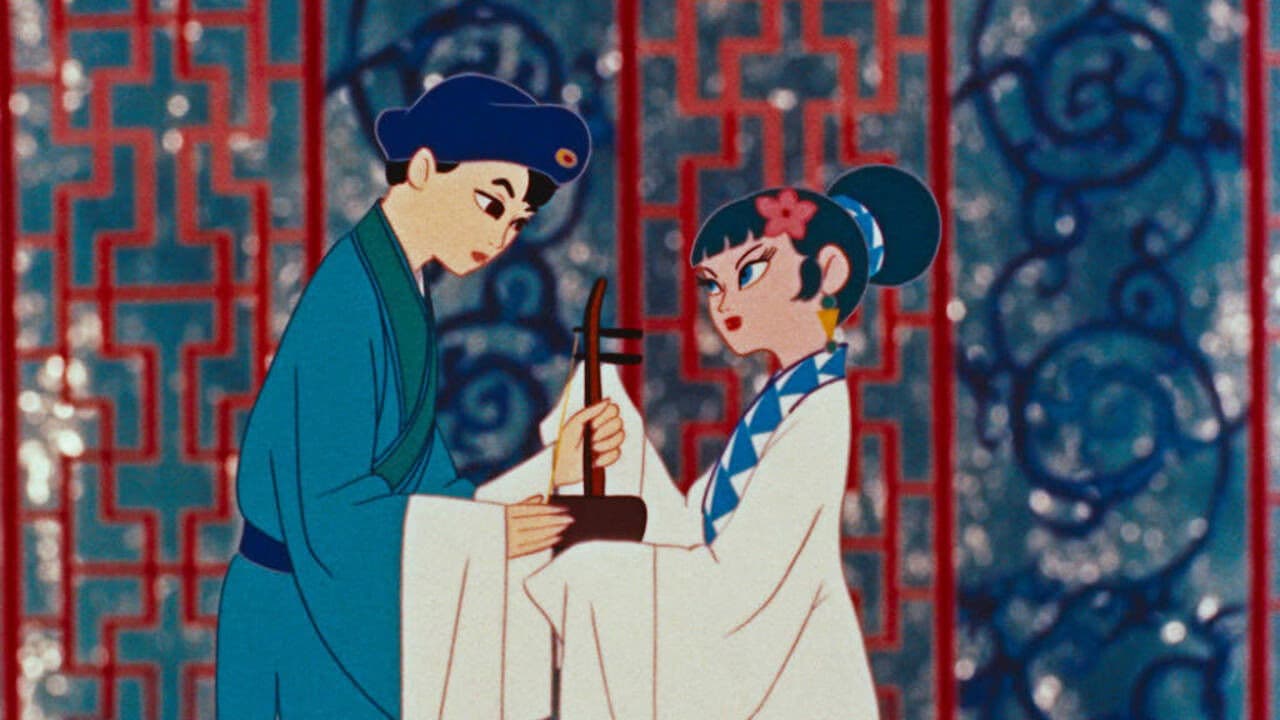
This early Japanese animated feature tells a romantic fantasy folktale in a gentle, colorful, and often dreamlike style, with appealing animal side characters and a highly stylized presentation. The main sensitive material comes from a threatening monk or wizard figure, misunderstandings about a heroine seen as dangerous, and several scenes involving pursuit, stormy peril, a fall, and a temporary death that may unsettle very young viewers. The film remains visually old fashioned and nonrealistic, which softens the impact, yet the repeated danger, sadness, and injustice make it more intense than a typical preschool title. For most children, it works better from about age 6, and parental support can help by explaining the magical snake woman, reassuring children during the scary scenes, and discussing how fear and prejudice can lead characters to make harmful choices.
Synopsis
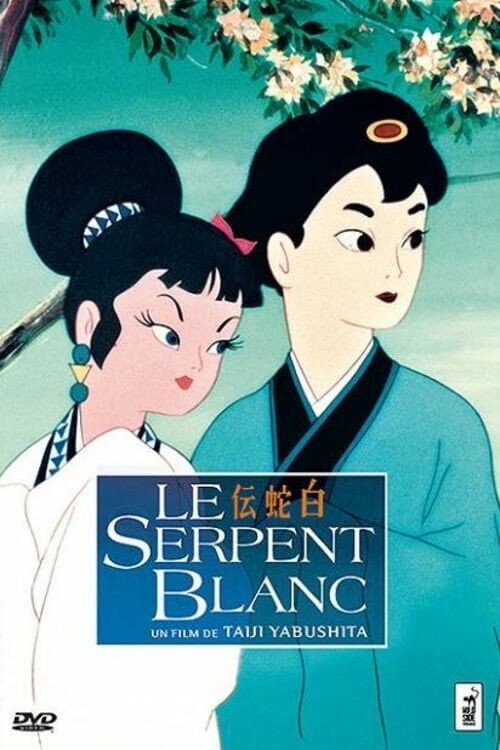
As a young boy, Xu-Xian is forced to free his pet, a small snake. Unbeknownst to him, the snake is actually a young snake goddess named Bai-Niang and she is in love with him. Many years later, when they are both adults, the princess is magically transformed into a human and sets out to find her love. But the local wizard believes her to be a vampire, and banishes Xu-Xian from the village in order to save him. Xu-Xian's pet pandas Panda and Mimi set out to save him and bring him, in the process becoming leaders of an animal gang.
Difficult scenes
Early in the film, a young boy is forced to give up the small white snake he cares about because of the adults' reaction around him. This scene may affect children who are sensitive to separation or to the distress of an animal, even though it is brief and framed like a fairy tale. Later, a powerful monk or wizard sees the heroine as an evil creature and tries to keep the young man away from her in order to protect him. His scenes can feel intimidating for young viewers because he carries real moral threat and uses supernatural power in a mood that is more tense than the rest of the film. A plot involving jewels taken without understanding their importance leads to an accusation of theft, an arrest, and a kind of exile with forced labor. There is no graphic violence, but the injustice of the situation and the punishment faced by the hero may create worry or sadness. In the most intense section, the story includes a deadly fall, followed by a major sea storm with characters in danger of drowning. Even with the old stylized animation, the combination of death, natural chaos, and romantic separation can be a lot for very young children.
Where to watch
No verified platform for the US market yet. We keep this section updated as availability changes.
About this title
- Format
- Feature film
- Year
- 1958
- Runtime
- 1h 19m
- Countries
- Japan
- Original language
- JA
- Directed by
- Taiji Yabushita
- Main cast
- Hisaya Morishige, Mariko Miyagi
- Studios
- Toei Animation
Content barometer
Violence
2/5
Moderate
Fear
2/5
A few scenes
Sexuality
1/5
Allusions
Language
0/5
None
Narrative complexity
1/5
Accessible
Adult themes
0/5
None
Expert review
This early Japanese animated feature tells a romantic fantasy folktale in a gentle, colorful, and often dreamlike style, with appealing animal side characters and a highly stylized presentation. The main sensitive material comes from a threatening monk or wizard figure, misunderstandings about a heroine seen as dangerous, and several scenes involving pursuit, stormy peril, a fall, and a temporary death that may unsettle very young viewers. The film remains visually old fashioned and nonrealistic, which softens the impact, yet the repeated danger, sadness, and injustice make it more intense than a typical preschool title. For most children, it works better from about age 6, and parental support can help by explaining the magical snake woman, reassuring children during the scary scenes, and discussing how fear and prejudice can lead characters to make harmful choices.
Synopsis
As a young boy, Xu-Xian is forced to free his pet, a small snake. Unbeknownst to him, the snake is actually a young snake goddess named Bai-Niang and she is in love with him. Many years later, when they are both adults, the princess is magically transformed into a human and sets out to find her love. But the local wizard believes her to be a vampire, and banishes Xu-Xian from the village in order to save him. Xu-Xian's pet pandas Panda and Mimi set out to save him and bring him, in the process becoming leaders of an animal gang.
Difficult scenes
Early in the film, a young boy is forced to give up the small white snake he cares about because of the adults' reaction around him. This scene may affect children who are sensitive to separation or to the distress of an animal, even though it is brief and framed like a fairy tale. Later, a powerful monk or wizard sees the heroine as an evil creature and tries to keep the young man away from her in order to protect him. His scenes can feel intimidating for young viewers because he carries real moral threat and uses supernatural power in a mood that is more tense than the rest of the film. A plot involving jewels taken without understanding their importance leads to an accusation of theft, an arrest, and a kind of exile with forced labor. There is no graphic violence, but the injustice of the situation and the punishment faced by the hero may create worry or sadness. In the most intense section, the story includes a deadly fall, followed by a major sea storm with characters in danger of drowning. Even with the old stylized animation, the combination of death, natural chaos, and romantic separation can be a lot for very young children.