
The Lion King
The Lion King
Your feedback improves this guide
Your feedback highlights guides that need a second look and keeps the rating trustworthy.
Does this age rating seem accurate to you?
Sign in to vote
Watch-outs
What this film brings
Content barometer
Violence
3/5
Notable
Fear
2/5
A few scenes
Sexuality
1/5
Allusions
Language
0/5
None
Narrative complexity
3/5
Complex
Adult themes
0/5
None
Expert review
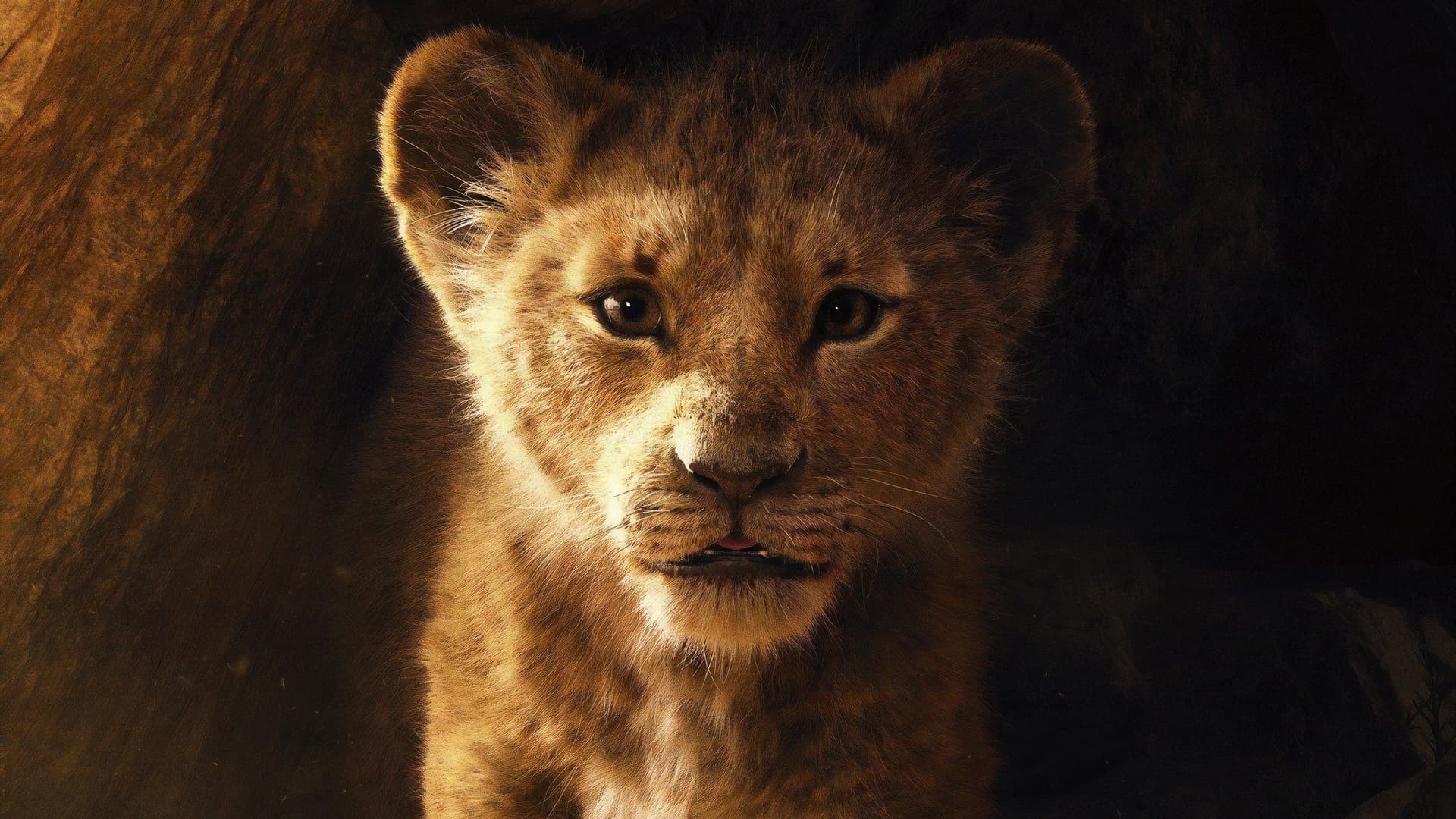
This photorealistic version of The Lion King is still a broad family adventure, with a majestic atmosphere, familiar songs, and a story about Simba growing into responsibility. The main sensitive elements are sustained animal threat, chases involving the hyenas, a very memorable on screen parental death, and a strong thread of guilt and exile that can affect emotionally sensitive children. The intensity is moderate in graphic terms, but emotionally significant, because danger and sadness are central to the story and return at several important points. The realistic visual style can also make frightening scenes feel more immediate than in a more stylized cartoon, especially for younger viewers. For many children around 7 or 8, it can work well, but parents may want to stay close if their child is upset by bereavement, villains, or scenes where a young character feels responsible for a tragedy.
Synopsis
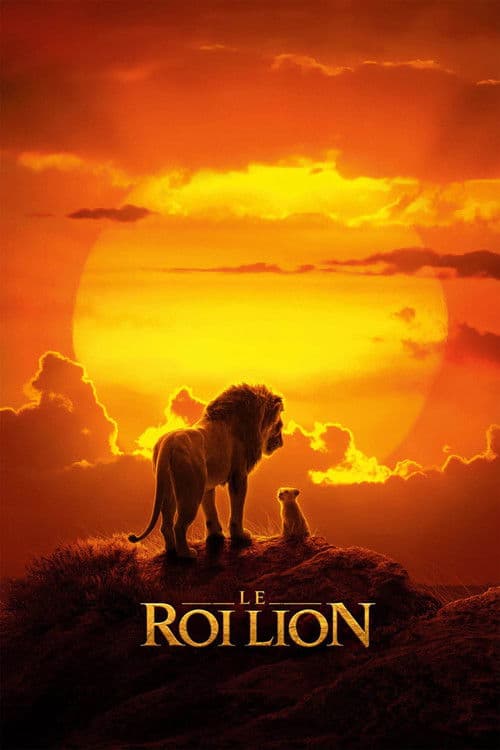
Simba idolizes his father, King Mufasa, and takes to heart his own royal destiny. But not everyone in the kingdom celebrates the new cub's arrival. Scar, Mufasa's brother—and former heir to the throne—has plans of his own. The battle for Pride Rock is ravaged with betrayal, tragedy and drama, ultimately resulting in Simba's exile. With help from a curious pair of newfound friends, Simba will have to figure out how to grow up and take back what is rightfully his.
Difficult scenes
Simba and Nala go to the elephants' graveyard after disobeying the adults. There they are surrounded and chased by threatening hyenas, creating a real sense of danger that may unsettle young children, especially because of the realistic animal design and aggressive sounds. In the gorge, Scar's plan triggers a very intense wildebeest stampede. Simba becomes trapped, Mufasa rushes in to save him, and the sequence leads to the explicit death of an important parent, followed by Simba's distress beside the body, which is the most upsetting moment in the film for many children. After this tragedy, Scar manipulates Simba by making him believe he is to blame and pushing him to run away. This imposed guilt can be emotionally heavy even without added physical violence, because children watch Simba alone, frightened, and hunted. Later, when Simba returns to the Pride Lands, the tone becomes darker and more tense. The confrontation with Scar includes threats, a painful revelation about the past, and a final animal fight with credible attacks that may worry more sensitive viewers.
Where to watch
No verified platform for the US market yet. We keep this section updated as availability changes.
Availability checked on Apr 01, 2026
About this title
- Format
- Feature film
- Year
- 2019
- Runtime
- 1h 58m
- Countries
- United States of America
- Original language
- EN
- Studios
- Walt Disney Pictures, Fairview Entertainment
Content barometer
Violence
3/5
Notable
Fear
2/5
A few scenes
Sexuality
1/5
Allusions
Language
0/5
None
Narrative complexity
3/5
Complex
Adult themes
0/5
None
Expert review
This photorealistic version of The Lion King is still a broad family adventure, with a majestic atmosphere, familiar songs, and a story about Simba growing into responsibility. The main sensitive elements are sustained animal threat, chases involving the hyenas, a very memorable on screen parental death, and a strong thread of guilt and exile that can affect emotionally sensitive children. The intensity is moderate in graphic terms, but emotionally significant, because danger and sadness are central to the story and return at several important points. The realistic visual style can also make frightening scenes feel more immediate than in a more stylized cartoon, especially for younger viewers. For many children around 7 or 8, it can work well, but parents may want to stay close if their child is upset by bereavement, villains, or scenes where a young character feels responsible for a tragedy.
Synopsis
Simba idolizes his father, King Mufasa, and takes to heart his own royal destiny. But not everyone in the kingdom celebrates the new cub's arrival. Scar, Mufasa's brother—and former heir to the throne—has plans of his own. The battle for Pride Rock is ravaged with betrayal, tragedy and drama, ultimately resulting in Simba's exile. With help from a curious pair of newfound friends, Simba will have to figure out how to grow up and take back what is rightfully his.
Difficult scenes
Simba and Nala go to the elephants' graveyard after disobeying the adults. There they are surrounded and chased by threatening hyenas, creating a real sense of danger that may unsettle young children, especially because of the realistic animal design and aggressive sounds. In the gorge, Scar's plan triggers a very intense wildebeest stampede. Simba becomes trapped, Mufasa rushes in to save him, and the sequence leads to the explicit death of an important parent, followed by Simba's distress beside the body, which is the most upsetting moment in the film for many children. After this tragedy, Scar manipulates Simba by making him believe he is to blame and pushing him to run away. This imposed guilt can be emotionally heavy even without added physical violence, because children watch Simba alone, frightened, and hunted. Later, when Simba returns to the Pride Lands, the tone becomes darker and more tense. The confrontation with Scar includes threats, a painful revelation about the past, and a final animal fight with credible attacks that may worry more sensitive viewers.