
Le Pupille
Does this age rating seem accurate to you?
Detailed parental analysis
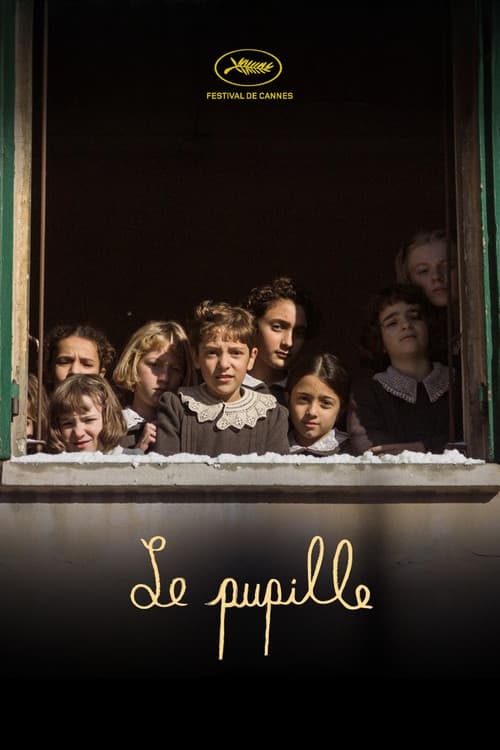
Le Pupille is a period short film with a warm and mischievous atmosphere, tinged with the gentle melancholy inherent to its wartime backdrop. The plot follows young girls placed in an orphanage run by nuns during the Second World War, whose lives are transformed by an unexpected Christmas celebration. The film is primarily aimed at adults and older teenagers, though younger viewers may find charm in it provided they are accompanied.
Underlying Values
The film constructs its argument around the tension between institutional authority and childhood freedom, without ever lapsing into manichaeism. The nuns exercise strict control, invoke religious guilt and the threat of hell to discipline the children, but the narrative treats this authority with humour rather than hostility. What ultimately prevails is a message of concrete solidarity: the protagonist chooses sharing and inclusion at the expense of her own interests, and this gesture structures the film's emotional resolution. Religion is present as an institutional framework and as a tool of control, which merits being named with children without dramatising it.
Parental and Family Portrayals
The children are orphans or wards entrusted to the institution, their parents being absent by narrative definition. This absence is a given of the situation, not a trauma dealt with frontally, but it constitutes the silent backdrop against which the girls' desire to be seen, considered and treated with gentleness unfolds. The central figure of authority is collective and feminine, embodied by the nuns, with all that this implies of rigidity and benevolent unpredictability.
Social Themes
The Second World War forms the film's context without ever becoming its principal subject. The girls hear radio reports of the fighting, which anchors the narrative in historical reality without exposing direct wartime violence. This narrative choice allows war to be approached as a backdrop that weighs on the adults and filters through to the children, without traumatising the young viewer.
Discrimination
The religious rhetoric employed by the nuns labels the children as 'wicked' and threatens them with 'the fires of hell', which constitutes an identifiable form of moral pressure. This language is not presented as a norm to imitate: the film underscores its excess through the amused perspective it takes on the situation. This is a useful point to discuss with children to distinguish legitimate authority from abusive guilt-tripping.
Strengths
In thirty-seven minutes, the film manages to construct credible and endearing child characters, carried by performances of remarkable spontaneity. The direction skilfully plays on the contrast between the rigour of the convent world and the unbridled energy of the girls, creating a gentle comedy whose appeal never flags. The resolution, driven by an act of simple yet powerful generosity, avoids any easy sentimentality. This is a film that rewards attention and leaves a lasting impression, precisely because it does not seek to convince but to show.
Age recommendation and discussion points
The film is accessible from age 8 for children comfortable with a narrative in a foreign language with subtitles and a situated historical context, but it will find its most receptive audience from age 10 to 12, the age at which the tension between rule and freedom begins to resonate fully. To be discussed after viewing: why does the protagonist choose to share despite the threat of punishment, and what should we make of the way the nuns use fear to obtain obedience.
Synopsis
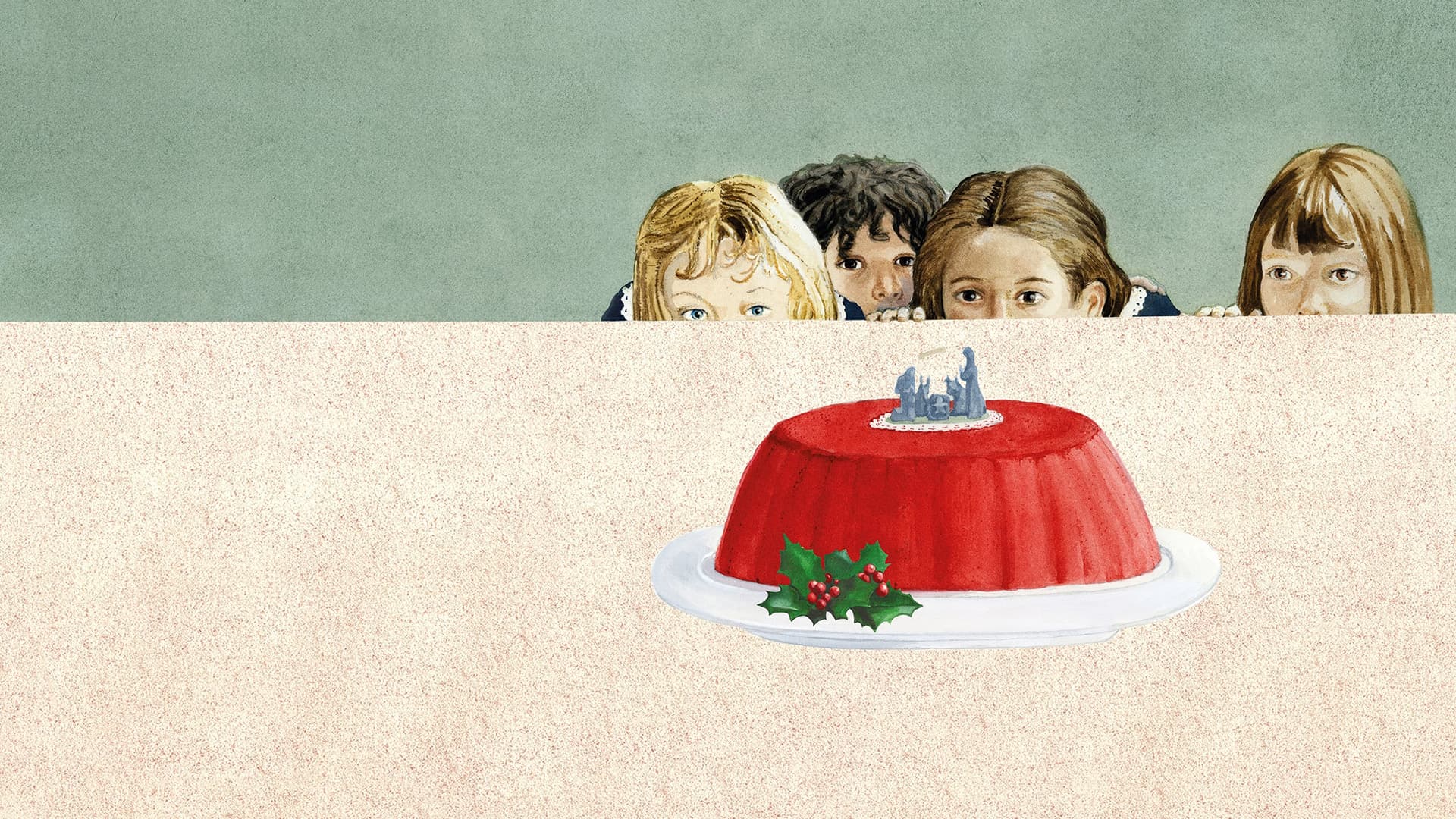
During WWII, in the days leading up to Christmas, a woman arrives at an Italian Catholic boarding school for orphaned girls with a large cake and a plea for them to pray for her boyfriend, who is having an affair.
About this title
- Format
- Short film
- Year
- 2022
- Runtime
- 39m
- Countries
- Italy, United Kingdom
- Original language
- IT
- Studios
- Tempesta, Esperanto Filmoj
Content barometer
- Violence0/5None
- Fear1/5Mild
- Sexuality0/5None
- Language0/5None
- Narrative complexity0/5Simple
- Adult themes0/5None
Watch-outs
- Grief
- Death / grief
Values conveyed
- Compassion
- Forgiveness
- friendship
- sharing
- resilience
- acceptance