Kahlil Gibran's The Prophet
Kahlil Gibran's The Prophet
Your feedback improves this guide
Your feedback highlights guides that need a second look and keeps the rating trustworthy.
Does this age rating seem accurate to you?
Sign in to vote
Watch-outs
What this film brings
Content barometer
Violence
2/5
Moderate
Fear
2/5
A few scenes
Sexuality
0/5
None
Language
0/5
None
Narrative complexity
1/5
Accessible
Adult themes
0/5
None
Expert review
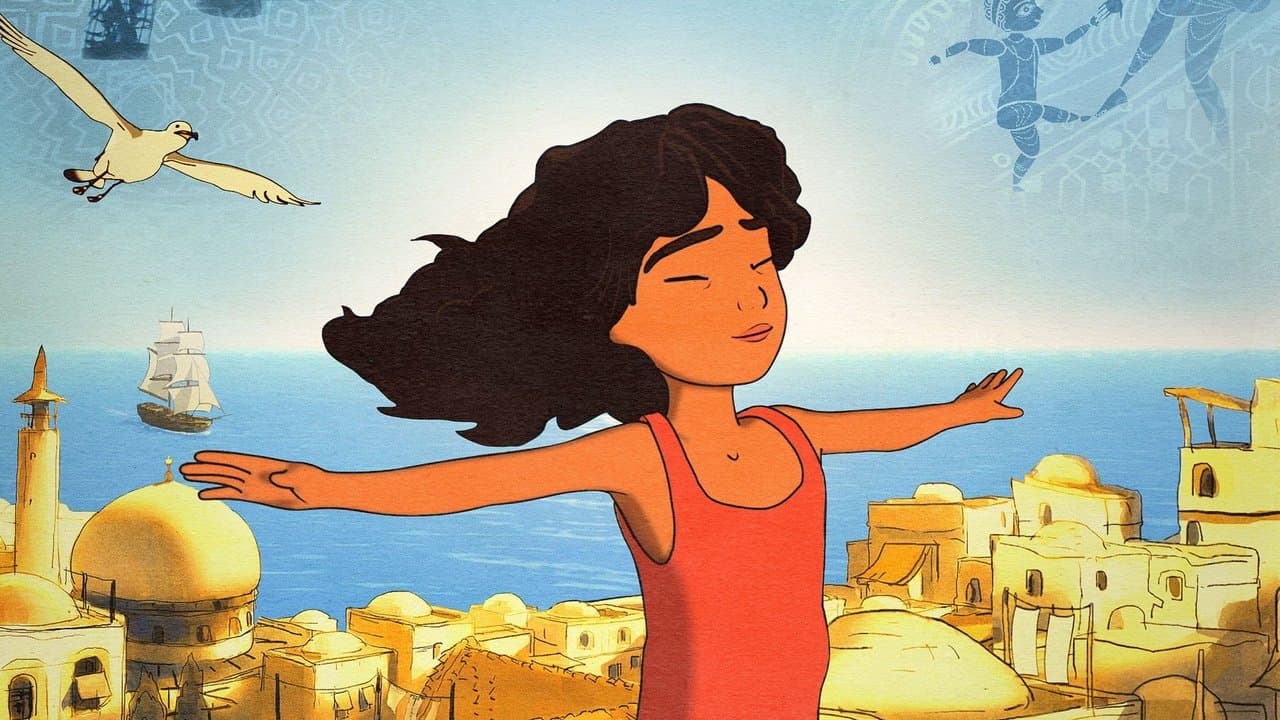
This animated feature, adapted from Kahlil Gibran's philosophical poetry collection, blends a 2D narrative frame with short dreamlike sequences directed in a wide variety of visual styles, giving the film a deeply contemplative and artistic atmosphere. The most notable sensitive elements are the death of a key adult character, an impending execution by firing squad, and a recurring theme of political repression and imprisonment that drives the film's emotional core. While these elements are handled with poetic restraint and without graphic violence, they weigh heavily on the final third of the film, particularly in a scene where a child witnesses her adult friend's arrest and imminent execution. The philosophical themes explored, including freedom, death, love, and parenthood, require genuine emotional and intellectual maturity to be meaningfully absorbed. Parental accompaniment is recommended for children under 12, to help contextualize the main character's fate, explain the political backdrop of the story, and address any questions raised by the dense poetic imagery of the animated sequences.
Synopsis
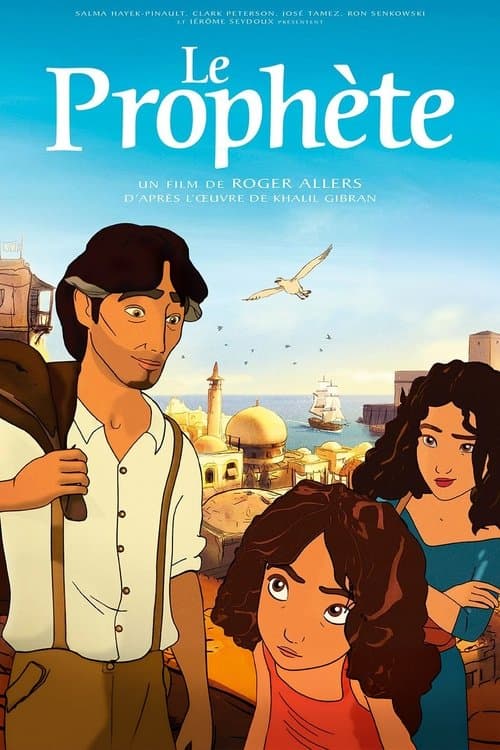
Exiled artist and poet Mustafa embarks on a journey home with his housekeeper and her daughter; together the trio must evade the authorities who fear that the truth in Mustafa's words will incite rebellion.
Difficult scenes
In the final third of the film, Mustafa is arrested by military authorities at the very moment he was about to return home. He is sentenced to death by firing squad for refusing to renounce his writings, which the authorities deem seditious. This scene is experienced directly through the eyes of Almitra, an eight-year-old girl, which heightens its emotional impact. Gunshots are audible and the character's death is strongly implied, even if it is not shown graphically. This moment may be particularly distressing for young children who have grown attached to Mustafa throughout the film. Throughout the story, Almitra is introduced as a child who stopped speaking after her father's death. This silent grief, evoked without detail but clearly established as a deep wound, forms a melancholic emotional thread running through the entire film. Children who have experienced a recent loss may find this character's situation painfully resonant, and a gentle conversation after viewing is advisable. Several dreamlike animated sequences, directed in highly abstract or expressionist visual styles, illustrate poems on themes such as death, freedom, good and evil, and time. Some of these images, particularly those related to death or transformation, may be unsettling or difficult to interpret for younger children, not because they are violent, but because they are deliberately non-literal and conceptually dense. The final scene in which Almitra has a vision of Mustafa's spirit or ghost aboard a departing ship raises the question of death and what comes after in an open and poetic way. This deliberate ambiguity may leave young viewers uncertain about whether the character truly died, and the moment deserves a gentle, honest conversation with a trusted adult.
Where to watch
No verified platform for the US market yet. We keep this section updated as availability changes.
About this title
- Format
- Feature film
- Year
- 2014
- Runtime
- 1h 30m
- Countries
- Canada, Qatar, Lebanon, United States of America
- Original language
- EN
- Directed by
- Roger Allers, Bill Plympton, Gaëtan Brizzi, Joan C. Gratz, Joann Sfar, Michał Socha, Mohammad Saeed Harib, Nina Paley, Paul Brizzi, Tomm Moore
- Main cast
- Salma Hayek Pinault, Liam Neeson, John Krasinski, Alfred Molina, Frank Langella, Quvenzhané Wallis, Assaf Cohen, Terri Douglas, Leah Allers, Caden Armstrong
- Studios
- Ventanarosa, DFI, Prophet Screen Partners, MyGroup Lebanon, FFA Private Bank, Bardel Entertainment, Code Red, Creative Projects Group, Gibran National Committee, Hanson, Financière Pinault
Content barometer
Violence
2/5
Moderate
Fear
2/5
A few scenes
Sexuality
0/5
None
Language
0/5
None
Narrative complexity
1/5
Accessible
Adult themes
0/5
None
Expert review
This animated feature, adapted from Kahlil Gibran's philosophical poetry collection, blends a 2D narrative frame with short dreamlike sequences directed in a wide variety of visual styles, giving the film a deeply contemplative and artistic atmosphere. The most notable sensitive elements are the death of a key adult character, an impending execution by firing squad, and a recurring theme of political repression and imprisonment that drives the film's emotional core. While these elements are handled with poetic restraint and without graphic violence, they weigh heavily on the final third of the film, particularly in a scene where a child witnesses her adult friend's arrest and imminent execution. The philosophical themes explored, including freedom, death, love, and parenthood, require genuine emotional and intellectual maturity to be meaningfully absorbed. Parental accompaniment is recommended for children under 12, to help contextualize the main character's fate, explain the political backdrop of the story, and address any questions raised by the dense poetic imagery of the animated sequences.
Synopsis
Exiled artist and poet Mustafa embarks on a journey home with his housekeeper and her daughter; together the trio must evade the authorities who fear that the truth in Mustafa's words will incite rebellion.
Difficult scenes
In the final third of the film, Mustafa is arrested by military authorities at the very moment he was about to return home. He is sentenced to death by firing squad for refusing to renounce his writings, which the authorities deem seditious. This scene is experienced directly through the eyes of Almitra, an eight-year-old girl, which heightens its emotional impact. Gunshots are audible and the character's death is strongly implied, even if it is not shown graphically. This moment may be particularly distressing for young children who have grown attached to Mustafa throughout the film. Throughout the story, Almitra is introduced as a child who stopped speaking after her father's death. This silent grief, evoked without detail but clearly established as a deep wound, forms a melancholic emotional thread running through the entire film. Children who have experienced a recent loss may find this character's situation painfully resonant, and a gentle conversation after viewing is advisable. Several dreamlike animated sequences, directed in highly abstract or expressionist visual styles, illustrate poems on themes such as death, freedom, good and evil, and time. Some of these images, particularly those related to death or transformation, may be unsettling or difficult to interpret for younger children, not because they are violent, but because they are deliberately non-literal and conceptually dense. The final scene in which Almitra has a vision of Mustafa's spirit or ghost aboard a departing ship raises the question of death and what comes after in an open and poetic way. This deliberate ambiguity may leave young viewers uncertain about whether the character truly died, and the moment deserves a gentle, honest conversation with a trusted adult.